
The Longest Natural Sea Beach in the World
Cox’s Bazaar, located in the southeastern part of Bangladesh, is one of the most popular tourist destinations in South Asia
Introduction
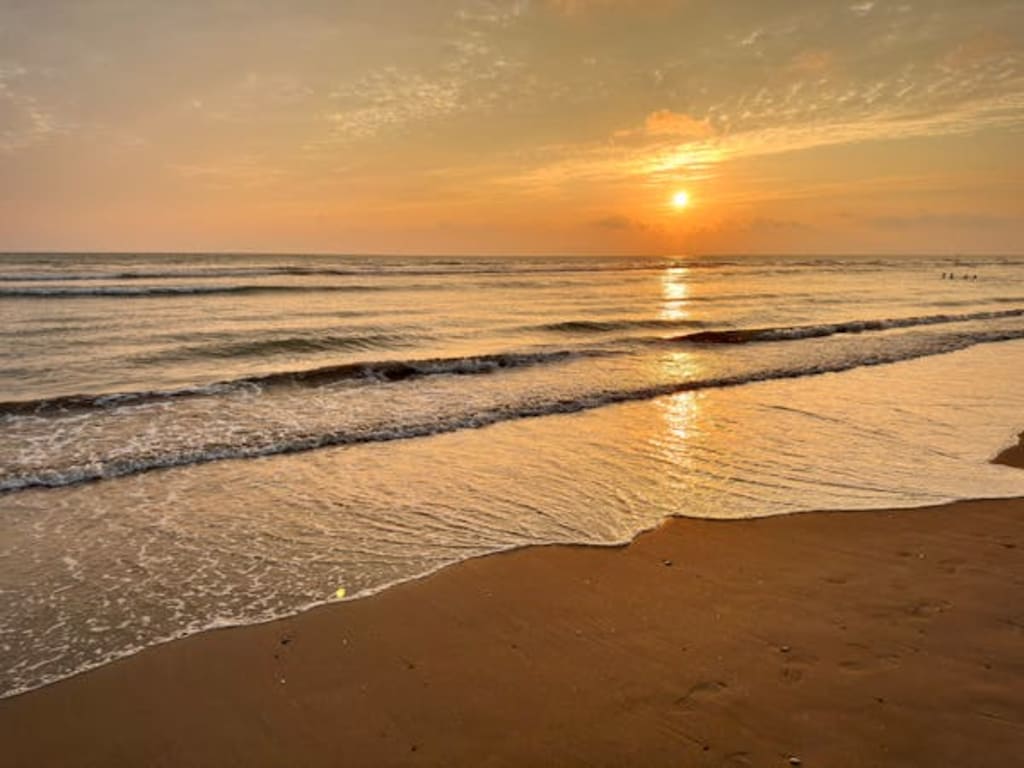
Cox’s Bazaar, located in the southeastern part of Bangladesh, is one of the most popular tourist destinations in South Asia. Known for having the longest uninterrupted natural sea beach in the world—stretching approximately 120 kilometers—Cox’s Bazaar attracts millions of local and international tourists every year. Beyond its stunning coastline, the region offers a blend of natural beauty, rich culture, diverse wildlife, and vibrant local life.
Geography and Location
Cox's Bazaar is situated in the Chattogram Division, approximately 150 kilometers south of Chattogram city. It is bordered by the Bay of Bengal on the west and the forested hills of the Chittagong Hill Tracts on the east. The district includes both plain lands and hilly terrains, giving it a diverse landscape. The main town, also named Cox’s Bazaar, is the administrative center of the district. The area experiences a tropical monsoon climate, with heavy rainfall during the summer months and mild winters. This climate supports lush greenery and rich biodiversity in the region.
Historical Background
Cox’s Bazaar is named after Captain Hiram Cox, an officer of the British East India Company who was appointed as the Superintendent of Palinka (the former name of Cox’s Bazar) in the late 18th century. He worked for the rehabilitation of Arakanese refugees who had fled the conflict between Burma (now Myanmar) and Arakan. After his death in 1799, a market was established in his honor—Cox's Market—which eventually gave the town its name.
Historically, the region has been influenced by various cultures, including Buddhist, Hindu, Muslim, and colonial traditions. This mix is still evident today in its architecture, food, and social customs Tourism Cox’s Bazar Tourism is the lifeblood of Cox’s Bazaar. The primary attraction is the golden sandy beach that stretches unbroken along the coastline. Tourists enjoy activities such as sunbathing, swimming, beach sports, surfing, and horseback riding. The sunset views over the Bay of Bengal are especially brae thanking popular tourist spots in and around Cox’s Bazaar include:
•Himchari: Hinchari National Park is known for its waterfalls and hills, as well as many wildlife and bird homes.
• Inani Beach: This beach is located 32km south of the capital and is known for its coral stones and cleaner and quieter environment.
• St. Maartin: Bangladesh's only Coral Island is a tropical paradise for ecotourists and divers, accessible by boat from Technaf.
• Ram: A small village known for its Buddhist monasteries, pagodas and bronze statues, reflecting the area's Buddhist heritage.
• Coxs Bazaar Marine Drive: Cox - One of the world's longest ocean drives ranging from Bazar to Teknaf, offering spectacular ocean views.
To support the tourism industry during the
boom, the city is equipped with a range of accommodations, ranging from luxury hotels to budget guesthouses. International airports are also under development to improve access to foreign tourists.
The local economy relies heavily on tourism, fishing and salt production. The region is culturally rich and has a population that includes ethnic groups such as Rakhine and Chakma, in addition to a majority in Bengal. Rakhine - Bork, a Buddhist from religion, gives them a prominent cultural taste through their festivals, food and crafts.
Traditional foods in the region include seafood dishes such as dry fish (shatoki), crab curry and rabbits, baked with local spices. The local market sells handmade crafts, jewelry and souvenirs from mussels and pearls.
The Himecheri National Park and the Wildlife Reserve of Teknaf are home to elephants, wild boars, deer, and various species of birds and reptiles. The beach itself acts as a nesting site for sea turtles, but these are increasingly at risk due to pollution and human interference, nearby Sundarban Reserve, is primarily located in the Khulna Division, but also affects biodiversity in the larger region.
Environmental Concerns
Tourism has brought about the economic benefits of Cox Besar, but it also creates serious environmental challenges. Rapid urbanization, unregulated hotel construction, design, and beach pollution threaten the coastal ecosystems of endangered species. Waste management is a critical issue, especially during peak tourists, and as thousands of visitors, it overwhelms infrastructure.
Climate change represents additional threats, including sea level rise, such as cyclones, common in the Bay of Bengal region, coastal erosion, and extreme weather events. Governments and NGOs implementing sustainable tourism practices have inconsistent efforts, but enforcement is inconsistent. It is urgently necessary to protect the natural beauty and biological diversity of the river, and to protect comprehensive environmental planning and awareness.
Coxs Basar, the Rohingya refugee crisis, has been attracting global attention in recent years due to the Rohingya refugee crisis. Since 2017, more than 700,000 Rohingya people have been tracked in Myanmar, and have settled in refugee camps near Coxs buster, particularly in the fields of Ukiya and Teknaf. The existence of such a large population is burdening local resources, infrastructure and social services. The Bangladesh government provides humanitarian assistance in cooperation with international organizations such as UNHCR and IOM, but the situation is complex and politically sensitive. The refugee crisis is an important factor affecting the development and environmental compatibility of the region.
Future outlook
Despite his challenges, Cox Babber has great potential. With international airport development, infrastructure improvements and investments in sustainable tourism, it could become an important global travel destination. Ecotourism, cultural tourism, and adventure tourism are specially committed areas. The government has also expressed interest in transforming the bazaar from Cox to "South Asia Tourist Capital", with various projects underway to support this vision, including better streets, environmental protection and international hospitality investments.
Fazit
Coxs Basar is more than just a beach. It is a vibrant area with rich history, culture and natural beauty. His golden sand and turquoise water attract visitors from all over the world, and his people and traditions reflect the diverse heritage of Bangladeshi. However, there is a balance between development and sustainability to remain attractive to future generations. With thoughtful planning and global cooperation, Cox's Basar can continue to shine as a gem South Asia.
About the Creator
Keep reading
More stories from writers in Motivation and other communities.
The Day He Finally Stopped Waiting
The morning felt ordinary, almost boring. The alarm rang at the same time it always did, and Samir lay still, staring at the ceiling, counting cracks he already knew by heart. Nothing in his life felt broken enough to demand change, yet nothing felt whole enough to bring peace either. That quiet dissatisfaction had followed him for years.
By shakir hamid3 days ago in Motivation
Ludacris and Nelly draw backlash over bookings at MAGA-coded music festival
Ludacris and Nelly headlining a mostly right-wing event is good for them. It’s also great for the genre of hip hop. The two rap veterans have showcased their talents on other stages. Why can’t they perform for mostly MAGA folks and grab that bag?
By Skyler Saunders5 days ago in Beat


Comments (1)
wow