
The Future of Mental Health:
Trends That Will Change Everything


Mental health is no longer the quiet conversation it once was. Over the last decade, we’ve witnessed a cultural shift: therapy became normalized, self-care went mainstream, and wellness apps found their way onto everyone’s phones. But the future? It’s going to be even bigger.
The next wave of mental health innovation is set to transform how we heal, connect, and thrive. With technology advancing rapidly and social awareness at an all-time high, the future of mental health will be more accessible, personalized, and powerful than ever before. Here’s what’s coming next.
1. AI-Powered Mental Health Support
Artificial Intelligence isn’t just for chatbots or self-driving cars—it’s making its way into therapy rooms (and your smartphone). AI-powered platforms can already offer 24/7 support, track mood patterns, and even provide personalized coping strategies.
In the future, we’ll see mental health apps that adapt to your unique needs in real-time. Imagine an app that detects stress in your voice during a work call, then suggests a quick breathing exercise. Or a digital coach that helps you spot burnout signs before they escalate.
AI won’t replace human therapists, but it will bridge the gap between appointments, making care more proactive and immediate.
2. Virtual Reality Therapy
Virtual Reality (VR) is stepping into the mental health space in a big way. Therapists are already using VR headsets to help patients face phobias, manage PTSD, or practice mindfulness in immersive environments.
In the future, therapy might look like stepping into a virtual beach to calm your nerves or safely “rehearsing” a stressful situation like public speaking. VR allows people to practice emotional regulation in controlled environments that feel real but safe.
This technology can make therapy more engaging, effective, and accessible—especially for younger generations who are already comfortable with immersive experiences.
3. Workplace Mental Health Becomes the Norm
Companies are realizing that employee mental health isn’t a perk—it’s a necessity. The rise of burnout, hybrid work, and global uncertainty has forced businesses to rethink how they support their teams.
The future workplace will likely include on-demand therapy sessions, mental health stipends, and designated recharge days. Leaders will be trained to recognize mental health struggles, not just performance metrics. The companies that thrive will be the ones that treat mental wellness as part of company culture, not just an HR checkbox.
4. Holistic and Integrative Approaches
Mental health is no longer seen in isolation—it’s connected to everything: sleep, diet, gut health, movement, and even spirituality. In the future, treatment plans will look more like personalized “wellness maps” rather than one-size-fits-all solutions.
For example, your care plan might combine therapy sessions, yoga, nutrition counseling, and digital tracking of sleep and exercise. This holistic approach recognizes that mental health is deeply tied to physical and emotional well-being.
5. Digital Communities and Peer Support
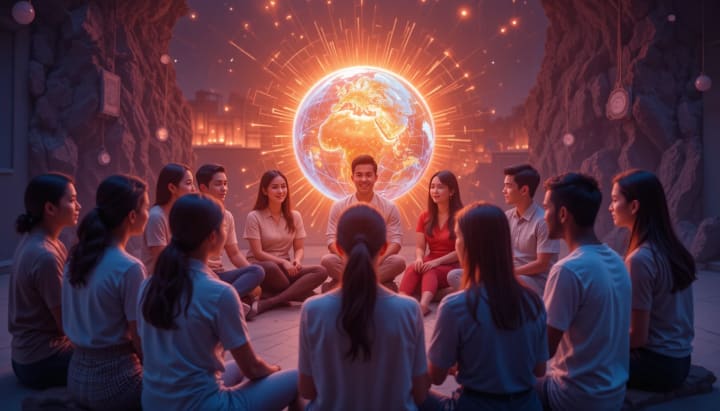
Social media has been a double-edged sword for mental health—but its future could lean more toward healing. Online peer support groups and moderated communities are creating safe spaces to talk about struggles that were once stigmatized.
Future platforms may use advanced moderation, AI-driven safety features, and trained facilitators to ensure discussions remain supportive. These communities won’t replace professional care, but they’ll help people feel less isolated and more understood.
6. Breaking Down Global Barriers
One of the most exciting shifts is accessibility. Mental health care has historically been limited by cost, location, or stigma. But with telehealth, AI, and mobile apps, more people across the globe can access resources.
In the future, language translation, cultural adaptations, and mobile-first platforms will expand mental health care to underserved communities. The conversation around mental health won’t just be Western—it will be global, diverse, and inclusive.
7. Redefining Mental Health as a Strength
Perhaps the most important trend is cultural. Mental health is moving away from being seen as weakness and toward being recognized as strength. Resilience, emotional intelligence, and vulnerability are now celebrated qualities.
In the future, prioritizing your mental health will be seen the same way as hitting the gym or eating clean—it’s not just self-care, it’s self-mastery. Schools, workplaces, and families will normalize conversations around emotions, therapy, and healing.
Think About It
The future of mental health is bright. With AI innovations, VR therapy, holistic approaches, and cultural shifts, we’re entering a world where care is more personalized, accessible, and stigma-free.
The trends shaping mental health aren’t just about treatment—they’re about transformation. As technology and awareness grow, the way we think about mental well-being will change forever.
If mental health is our superpower (and it is), then the future is about unlocking it at scale—for everyone.
Your mental health is the future’s greatest investment. The trends may change everything, but the goal remains the same: a healthier, more connected, more resilient you.
About the Creator
Katina Banks
I’m Katina, a freelance writer blending creativity with life’s truths. I share stories on growth and media through blogs and visuals, connecting deeply with readers. Join me on this journey of inspiration!
Keep reading
More stories from Katina Banks and writers in Motivation and other communities.
Why Your Mental Health
When we think of superpowers, we typically envision flying through the sky, reading minds, or possessing superhuman strength. But what if I told you that your greatest superpower isn’t something out of a comic book—it’s your mental health?
By Katina Banks6 months ago in Motivation
The Man Who Became a Lightning Rod: The Unbelievable Life of Roy Sullivan
In the vast, unpredictable theater of the natural world, there are statistical anomalies, and then there is Roy Cleveland Sullivan. To the average person, the odds of being struck by lightning in a given year are roughly one in a million. The odds of being struck seven times? Those are calculated at approximately 1 in 100,000,000,000,000,000,000,000,000 (that’s a septillion).
By Frank Massey 3 days ago in Motivation
I Woke Up at 5 AM for 7 Days — Here’s the Honest Truth Nobody Talks About
I remember staring at the ceiling at 4:57 AM, my alarm threatening to shatter the silence of my room. Two minutes away from the most agonizing hour I had ever voluntarily committed to, my mind screamed at me: Go back to bed. Sleep is safe. Success can wait.
By Imran Pisani5 days ago in Motivation



Comments
There are no comments for this story
Be the first to respond and start the conversation.