

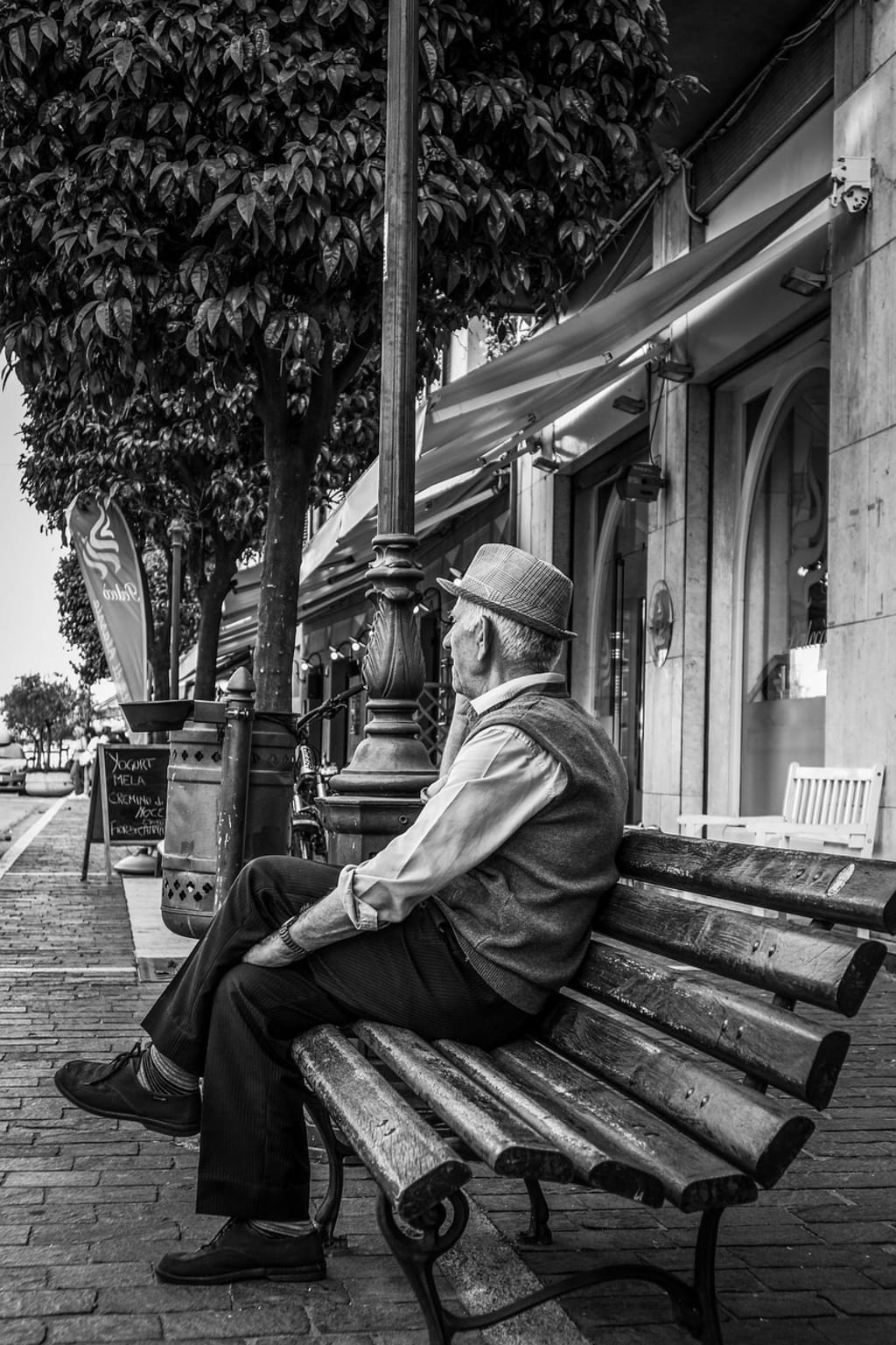
The Dual Facets of Life
In a small, picturesque town nestled between rolling hills and winding rivers, there lived a man named Arjun. He was a humble man, known by everyone in the village for his quiet demeanor and his ability to blend seamlessly into the environment. His house, standing on the edge of the village, was a modest structure, adorned with a small garden that bloomed with vibrant flowers. The house itself was simple, a reflection of the simplicity of Arjun’s outward nature. But what people saw outside, what the world witnessed, was only one facet of Arjun’s life. Inside the walls of his home, behind closed doors, was a different story altogether.
Outside his home, Arjun was the perfect picture of politeness and composure. He greeted everyone with a smile, always offered help to those in need, and was the first to step forward during any village gatherings or festivals. His nature was kind and warm, his words thoughtful and measured. The villagers adored him, often speaking of his calm and serene presence. For years, they had admired his patience and gentle spirit, thinking of him as someone who rarely had a bad day, someone who had mastered the art of life. The children would run up to him, asking him to tell stories of his travels, while the elderly respected him as a man who understood the deeper truths of life.
However, the Arjun that existed outside his house was not the same Arjun within the confines of his home. The moment he stepped through the door of his modest house, something changed. The weight of the world seemed to lift off his shoulders, and his true nature emerged. The calm exterior was shed like an old garment, and he revealed a side of himself that no one in the village knew. Inside, Arjun was not the quiet, collected man everyone thought him to be. He was passionate, intense, and full of dreams and desires that he rarely spoke of.
At home, his small garden transformed into a place where he could express his love for the wildness of nature. He would spend hours nurturing the flowers, talking to them as though they were his closest friends. His laughter would echo across the rooms as he joked with his wife, Shalini, and their children. His passion for life, so carefully hidden outside, burst forth in all its brilliance. The house would come alive with his energy, with his vibrant stories, and with the music he loved to play on his old harmonium.
Shalini often teased him, calling him her "two-faced husband," but she did so with a smile that held no malice. She understood better than anyone the need for balance, the need for a duality in life. "One cannot be the same person everywhere, all the time," she would say. "The world demands patience and restraint, but the home is where we are free to be ourselves."
Indeed, Arjun’s children adored the man who existed inside the house. He would spend evenings playing with them, inventing games, and encouraging them to explore their imaginations. He was not the disciplined man of the village here; he was a father who embraced the messiness of life, the chaos of children’s laughter, and the beauty of spontaneity. He believed that inside the home, one’s true nature should be allowed to flourish, to bloom without the restrictions of societal expectations.
But it was not just joy and laughter that marked the difference between the Arjun of the village and the Arjun of the home. Inside his house, he allowed himself the vulnerability that he could never show outside. There were days when he felt the weight of the world pressing down on him, when the responsibilities of providing for his family or maintaining his standing in the village felt overwhelming. In these moments, he would sit by the window, staring out at the distant hills, his thoughts heavy and his heart troubled.
But Arjun never let these moments spill over into his life outside. He believed that the world outside demanded strength, demanded composure. He had seen too many men falter, too many lives unravel when the burdens of personal troubles were brought into the public eye. For Arjun, there was a sacredness in keeping the two parts of his life separate. His vulnerability was reserved for the home, where he was surrounded by those who loved him unconditionally, where he could express his fears and doubts without judgment.
One evening, after a particularly hard day at work, Arjun sat on the porch of his house, watching the sunset. His son, Ankit, came and sat beside him. There was a rare silence between them, one that spoke of shared understanding. Finally, Ankit spoke, his voice soft, "Baba, why are you so different when you're outside? The way you are with us here, it's like you're a different person out there."
Arjun smiled, placing a hand on his son’s shoulder. "It’s because the world outside is not our own, my son," he began. "Outside, we must wear a mask, not because we are being false, but because the world requires it. We need to be strong for others, show them stability, because that is what helps society function. But here, at home, among our family, we are free. Free to laugh, free to cry, free to be as we are, without worrying about how it will affect others. The house is where our soul resides, while outside, we must guard that soul with layers of protection."
Ankit thought about his father’s words for a while, and then nodded slowly. "So, it’s okay to be different?" he asked.
"Yes," Arjun replied, his voice filled with warmth. "It’s not just okay; it’s necessary. To survive outside, we must sometimes hold back parts of ourselves. But inside the home, never hide who you are. Let your spirit run free here. This is where we gather strength, where we recharge. So, when we step outside again, we are ready to face whatever comes our way."
The lesson stayed with Ankit as he grew older. He, too, learned the art of balancing his inner and outer worlds, understanding that the two were not in conflict, but rather two sides of the same coin. He watched his father navigate life with grace and resilience, and understood that strength wasn’t just about being tough; it was about knowing when to show your true self and when to protect it.
As the years passed, the village continued to admire Arjun for his calm and patient demeanor. Little did they know that the true Arjun, the passionate, vibrant, and deeply emotional man, existed in the warmth of his home. And that was how it was meant to be—because some aspects of one’s nature are too precious, too sacred to be shared with the world outside.
In the end, Arjun’s life was a testament to the idea that one’s nature could be both calm and stormy, gentle and fierce, and that both were equally important. Outside, he was the serene river, but inside his home, he was the roaring ocean, full of life, depth, and beauty.
About the Creator
Dipak Pawar
The key to success is my passion for presenting motivational articles to people I write on
I am a blogger.I love motivational articles,heart touching articles,inspirational writing.
Keep reading
More stories from Dipak Pawar and writers in Motivation and other communities.
Learn to Dream: The Unseen Power of Hope and Perseverance
Learn to Dream: The Unseen Power of Hope and Perseverance Dreams are the lifeblood of human ambition. They are the silent guides that lead us out of our darkest days, offering hope when everything seems impossible. They fill our hearts with the promise of what could be, urging us forward despite our doubts and fears. To dream is to believe in a future that is not yet visible, but that we know in our souls is possible. This is the story of how learning to dream changed the life of Maya, a young girl born into poverty, and how her dream inspired those around her.
By Dipak Pawarabout a year ago in Motivation
Stop Making Excuses. Someone Is Already Doing What You Think Is Impossible
The Brutal Truth About Excuses : Right now, somewhere in the world, someone with fewer advantages than you is doing the exact thing you believe is impossible. They might have less money. Less education. Less support. Yet they are moving forward while many others remain stuck in the same place — not because they lack potential, but because they are trapped in a cycle of excuses. Excuses are comforting. They protect us from failure and embarrassment. But they also quietly steal our potential. The uncomfortable truth is that the biggest obstacle for most people is not lack of ability. It’s hesitation.
By Shahid Zaman4 days ago in Motivation


Comments
There are no comments for this story
Be the first to respond and start the conversation.