
The Changing Landscape of the Workplace: Adapting to the Future of Work
The changing landscape of the workplace

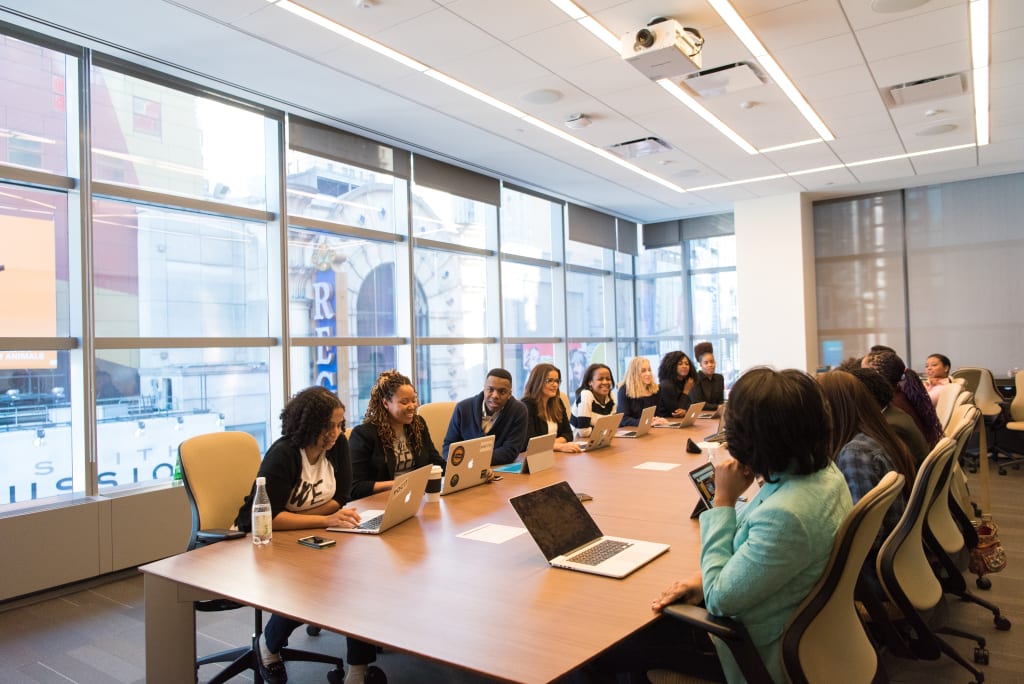
The traditional concept of the workplace has undergone a significant transformation in recent years. Rapid advancements in technology, shifting demographics, and evolving work attitudes have reshaped the way we work and the environments in which we work. In this article, we will explore the changing landscape of the workplace and the key trends shaping the future of work.
Remote Work and Flexible Arrangements:
One of the most notable shifts in the workplace landscape is the rise of remote work and flexible arrangements. Enabled by technology, more employees than ever before are working remotely, either full-time or part-time. This trend has been further accelerated by the COVID-19 pandemic, which forced organizations to embrace remote work on a large scale. Remote work offers benefits such as increased flexibility, improved work-life balance, and access to a global talent pool. As a result, businesses are rethinking their approach to physical office spaces and adopting hybrid models that blend remote and in-office work.
Emphasis on Work-Life Balance:
Work-life balance has become a priority for both employees and employers. The younger workforce, in particular, seeks a better balance between their personal and professional lives. As a result, companies are implementing policies and practices that support work-life balance, such as flexible working hours, family-friendly benefits, and wellness initiatives. Creating a healthy work-life balance not only improves employee satisfaction and well-being but also enhances productivity and retention rates.
Collaborative and Agile Work Environments:
Collaboration and agility have become crucial in the modern workplace. Organizations are redesigning office spaces to foster collaboration, with open layouts, collaborative work areas, and shared spaces. The emphasis is on creating an environment that facilitates communication, idea-sharing, and teamwork. Agile methodologies, originally developed in the software industry, are now being adopted by businesses across sectors. Agile approaches enable teams to respond quickly to changing market dynamics, promote innovation, and deliver projects more efficiently.
Focus on Employee Well-being and Mental Health:
The changing landscape of the workplace recognizes the importance of employee well-being and mental health. Employers are increasingly prioritizing initiatives that support employee wellness, both physically and mentally. This includes offering wellness programs, and mental health resources, and promoting a supportive work culture. Recognizing the link between employee well-being and productivity, businesses are investing in initiatives that reduce stress, promote work-life balance, and create a positive work environment.
Multigenerational Workforce:
The workplace is now characterized by a multigenerational workforce, with individuals from different age groups working together. This presents both opportunities and challenges for organizations. Each generation brings unique skills, perspectives, and work styles to the table. To effectively manage a multigenerational workforce, businesses must foster an inclusive culture that values diversity, promotes cross-generational collaboration, and creates opportunities for mentorship and knowledge-sharing.
Continuous Learning and Skill Development:
In the changing landscape of the workplace, continuous learning and skill development have become critical for employees to stay relevant. Rapid technological advancements and evolving job requirements mean that employees need to continuously upskill and reskill. Companies are investing in employee training programs, providing learning resources, and encouraging a culture of continuous learning. This not only benefits individual employees but also ensures that businesses have a skilled workforce capable of driving innovation and adapting to change.
Digital Transformation:
Digital transformation has become a necessity for businesses to thrive in the changing workplace landscape. Organizations are leveraging technology to streamline processes, enhance productivity, and improve customer experiences. Cloud computing, data analytics, artificial intelligence, and automation are among the technologies driving digital transformation. Businesses are investing in digital tools and infrastructure, reimagining customer interactions, and embracing data-driven decision-making to gain a competitive edge.
Conclusion:
The changing landscape of the workplace reflects the dynamic nature of the modern business environment. Organizations must adapt to these changes to attract and retain top talent, foster innovation, and stay competitive. Embracing remote work, prioritizing work-life balance, creating collaborative and agile environments, supporting employee well-being, and investing in continuous learning and digital transformation are key strategies for navigating the evolving workplace landscape and building a thriving workforce of the future.
About the Creator
Milton Artis
Milton Artis: Customer Service Guru and Business Whiz with a decade of experience. Master of problem-solving, sarcasm, and making customers smile!
Keep reading
More stories from Milton Artis and writers in Motivation and other communities.
The Impact of Technology on Business: Revolutionizing the Way We Work
Technology has revolutionized the business landscape, transforming the way organizations operate, communicate, and interact with customers. From streamlined processes to enhanced productivity, technology has become an indispensable tool for businesses of all sizes. In this article, we will explore the significant impact of technology on business and how it has reshaped industries and opened up new opportunities for growth and innovation.
By Milton Artis3 years ago in Motivation
One Hard Thing
Stop me if you’ve heard this one before: You have the number, you know your schedule- you’ve even picked out the perfect day and time to make this appointment. Shoot, you’ve even picked out alternative days and times just in case their schedules can’t accommodate you!
By Taylor Rigsby4 days ago in Motivation
Why Your Struggle Is Your Strength
I lost everything in the span of six months. My job disappeared in a round of layoffs. My relationship ended after five years. My father was diagnosed with cancer. And just when I thought things couldn't get worse, my car broke down on the side of the highway during a rainstorm, and I sat there crying so hard I could barely breathe.
By Fazal Hadiabout 6 hours ago in Motivation


Comments (1)
All of these are noted. Thank you!