
The Art of Homemade Bread: Techniques and Tips for Perfect Loaves
Techniques and Tips for Perfect Loaves
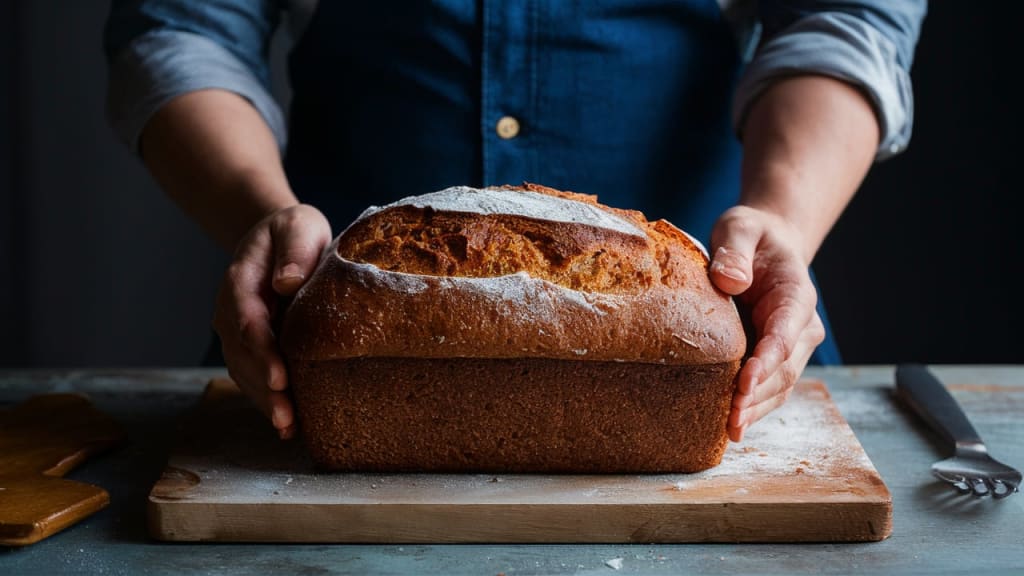
There is perhaps no smell more enticing and comforting than that of freshly baked bread. Homemade bread not only fills your home with a wonderful aroma but also allows you to control the ingredients, flavors, and textures of the final product. Whether you are a seasoned baker or a novice in the kitchen, mastering the art of homemade bread can be a rewarding and fulfilling experience.
In recent years, there has been a resurgence in the popularity of making bread at home. According to a study conducted by Mintel, a global market research firm, sales of bread machines and baking ingredients have been on the rise, indicating a growing interest in homemade bread among consumers. The appeal of homemade bread lies in its simplicity, versatility, and the sense of accomplishment that comes with creating something delicious from scratch.
To help you perfect your loaves, we have compiled a list of techniques and tips that will guide you through the process of making homemade bread. From choosing the right ingredients to mastering the art of kneading and shaping, these tips will help you achieve bakery-quality results right in your own kitchen.
1. Choose the Right Ingredients: The quality of your bread largely depends on the quality of the ingredients you use. Opt for high-quality flour, fresh yeast, and other ingredients like salt, sugar, and water. Experiment with different types of flour, such as whole wheat, rye, or spelt, to achieve different textures and flavors in your bread.
2. Measure Accurately: Baking is a science, and accurate measurements are crucial for consistent results. Use a kitchen scale to measure your ingredients by weight rather than volume, as this will ensure precision and accuracy in your recipes.
3. Activate the Yeast: Yeast is a key ingredient in bread-making, as it is responsible for the rise and fermentation of the dough. To activate the yeast, dissolve it in warm water (around 110°F) with a pinch of sugar and let it sit for 5-10 minutes until it becomes frothy. This step ensures that the yeast is alive and active before you mix it with the other ingredients.
4. Knead the Dough: Kneading is a crucial step in bread-making, as it develops the gluten in the dough and gives the bread its structure and texture. To properly knead the dough, use the heel of your hand to push the dough away from you, then fold it back towards you and repeat the process until the dough is smooth and elastic.
5. Proof the Dough: After kneading, let the dough rest and rise in a warm, draft-free place until it doubles in size. This step, known as proofing, allows the yeast to ferment and release carbon dioxide, which creates the air bubbles that give the bread its light and airy texture.
6. Shape the Loaf: Once the dough has proofed, gently deflate it and shape it into the desired loaf shape. You can create round loaves, oblong loaves, or even braided loaves, depending on your preference. Use a sharp knife or razor blade to score the top of the loaf, which will help control the expansion of the bread during baking.
7. Bake to Perfection: Preheat your oven to the appropriate temperature and bake the bread until it is golden brown and sounds hollow when tapped on the bottom. Use an instant-read thermometer to check the internal temperature of the bread, which should be around 190-200°F for most types of bread.
8. Let it Cool: Allow the bread to cool completely on a wire rack before slicing and serving. This step is essential, as cutting into hot bread can cause it to become soggy and lose its structure. Plus, who can resist the anticipation of waiting for that first slice of freshly baked bread?
Mastering the art of homemade bread requires practice, patience, and a willingness to experiment with different ingredients and techniques. By following these tips and techniques, you can create delicious, artisanal loaves that rival those found in your favorite bakery. So roll up your sleeves, dust off your apron, and let the baking begin! Your kitchen will soon be filled with the mouthwatering aroma of freshly baked bread, and your taste buds will thank you for it.
About the Creator
Keep reading
More stories from Amily Brown and writers in Motivation and other communities.
Exploring the Flavors of International Street Food: A Culinary Journey
Street food has long been a beloved aspect of culinary culture around the world. From savory snacks to sweet treats, street food vendors offer a wide array of affordable and delicious options for adventurous eaters. In recent years, street food has gained popularity with foodies and travelers looking to experience the unique flavors and aromas of different countries without breaking the bank. This culinary journey allows food enthusiasts to explore the diverse and vibrant street food scenes of various countries, uncovering hidden gems and culinary delights along the way. One of the key advantages of exploring international street food is the opportunity to taste traditional dishes in their authentic setting. Street food vendors often use recipes that have been passed down through generations, preserving the flavors and techniques of a particular region or culture. By sampling street food in its country of origin, food enthusiasts can gain a deeper understanding of the local cuisine and the cultural significance of certain ingredients and dishes. According to a report by the World Tourism Organization, street food plays a significant role in the tourism industry, attracting visitors from around the world who are eager to savor the flavors of local cuisine. In countries like Thailand, Mexico, and India, street food is a major draw for tourists seeking authentic and affordable dining experiences. The report also highlights the economic benefits of street food vendors, who often operate small businesses that support local communities and contribute to the growth of the informal economy. One of the most popular destinations for street food enthusiasts is Thailand, known for its vibrant food scene and diverse culinary offerings. Thai street food is characterized by bold flavors, fresh ingredients, and a wide range of dishes to choose from. From spicy papaya salad to fragrant coconut curries, Thailand's street food vendors serve up a tantalizing array of dishes that showcase the country's rich culinary heritage. Mexico is another hotspot for street food lovers, with its colorful markets and bustling street food stalls offering a wealth of options for hungry travelers. Tacos, tamales, and elote (grilled corn) are just a few of the traditional Mexican dishes that can be found on the streets of cities like Mexico City and Oaxaca. The blend of indigenous ingredients and Spanish influences creates a unique and flavorful culinary experience that has captivated food enthusiasts around the world. In India, street food is an integral part of everyday life, with vendors selling snacks and meals on busy street corners and marketplaces. Chaat, a popular street food dish made with crispy fried dough, potatoes, and various chutneys, is a favorite among locals and tourists alike. Indian street food is known for its bold spices, complex flavors, and inventive combinations, making it a must-try for anyone looking to embark on a culinary adventure. While exploring international street food can be an exciting and rewarding experience, it is important to exercise caution and practice good food safety habits. According to the World Health Organization, street food vendors may face challenges in maintaining proper hygiene and food handling practices, which can increase the risk of foodborne illnesses. Travelers are advised to choose vendors that have a clean and organized setup, use fresh ingredients, and cook food to order to reduce the risk of contamination. In conclusion, exploring the flavors of international street food offers a unique opportunity to immerse oneself in the culinary traditions and cultures of different countries. Whether sampling spicy street food in Thailand, indulging in savory tacos in Mexico, or savoring sweet treats in India, street food enthusiasts can find a world of flavors waiting to be discovered. By venturing off the beaten path and trying new dishes from local vendors, food lovers can expand their palates, broaden their culinary horizons, and create lasting memories of their culinary journey around the world. So next time you find yourself in a new country, be sure to hit the streets, follow your nose, and embark on a delicious adventure through the flavors of international street food. Bon appétit!
By Amily Brown about a year ago in Beat
“He Kept Going When No One Was Watching — And That Changed Everything”
No one ever noticed the days he almost gave up. There were no messages asking if he was okay. No one wondered why he became quieter. No one asked how much effort it took just to keep going. To the world, he was just another ordinary man. His name was Ayaan. Ayaan’s life didn’t collapse in one dramatic moment. It slowly faded. Missed opportunities. Rejected ideas. Silent disappointments. Every failure was small, but together they became heavy. He had dreams once. Big ones. Dreams that kept him awake at night, imagining a future where his hard work would finally matter. But over time, those dreams began to feel unrealistic—almost embarrassing. People around him seemed to move forward effortlessly. They celebrated promotions, achievements, and milestones. Ayaan watched from the side, smiling politely while feeling invisible. At work, his efforts were ignored. Among friends, his voice faded. At home, expectations weighed heavily on him. Slowly, a dangerous thought settled into his mind: “Maybe I’m not good enough.” That thought followed him everywhere. It followed him on crowded buses. It followed him into sleepless nights. It followed him every time he tried again and failed. One night, after scrolling through endless success stories online, Ayaan closed his phone and stared at the dark ceiling. His chest felt tight, not because of pain—but because of exhaustion. He whispered quietly, “How long do I keep trying?” There was no answer. But that night, Ayaan made a decision—not a loud one, not a confident one. A tired decision. He decided to keep going, even if nothing changed. The next morning felt the same. The same routine. The same doubts. The same fear of wasting his life. But Ayaan showed up anyway. He worked when no one praised him. He studied when no one guided him. He practiced when no one believed in him. Some days, motivation disappeared completely. On those days, discipline took over. He reminded himself: “I don’t need applause. I need progress.” Weeks passed. Nothing dramatic happened. No sudden success. No recognition. No miracle. But something subtle began to shift. Ayaan became calmer under pressure. He learned to sit with discomfort instead of running from it. He stopped comparing his journey to others. The silence that once scared him now became his training ground. Months later, a serious problem appeared at his workplace. It was complicated, risky, and easy to blame on someone else. Most people avoided it. Some pretended it wasn’t their responsibility. Ayaan didn’t announce himself. He didn’t seek attention. He simply started working. Late nights. Mistakes. Corrections. Learning. There were moments he wanted to quit. Moments when fear whispered, “You’re not ready.” But he answered back, “I’ll learn.” Slowly, the problem began to disappear. Not perfectly—but steadily. People noticed, quietly. One afternoon, his manager called him into the office. Ayaan expected criticism. Instead, he heard a question that stunned him: “Where did you learn all this?” Ayaan paused. How could he explain years of silent effort? How could he explain working when no one cared? He simply replied, “I kept going.” That moment didn’t change his life overnight. He didn’t become famous. He didn’t suddenly become successful. But it changed something far more important. His belief in himself. For the first time, Ayaan understood that life doesn’t always reward effort immediately. Sometimes, it watches. It watches who continues without praise. Who improves without recognition. Who grows in silence. Years later, Ayaan looked back at the version of himself who almost quit. The man who felt invisible. The man who thought no one was watching. And he smiled. Because he finally understood the truth: Life was always watching. Not to judge. Not to rush. But to see if he would keep going when it was hardest. The world doesn’t reward those who only work when they’re seen. It rewards those who build strength in silence. And sometimes, the moment that changes everything doesn’t come with applause. It comes quietly. After patience. After effort. After consistency. That is when everything finally begins to change. Final Message Keep going—even when no one is watching. Especially then.
By Inayat khan2 days ago in Motivation




Comments
There are no comments for this story
Be the first to respond and start the conversation.