
The Age of Digital Loneliness Why We’re More Connected Yet More Alone
How social media, AI, and the rush of modern life are reshaping the way we experience human connection

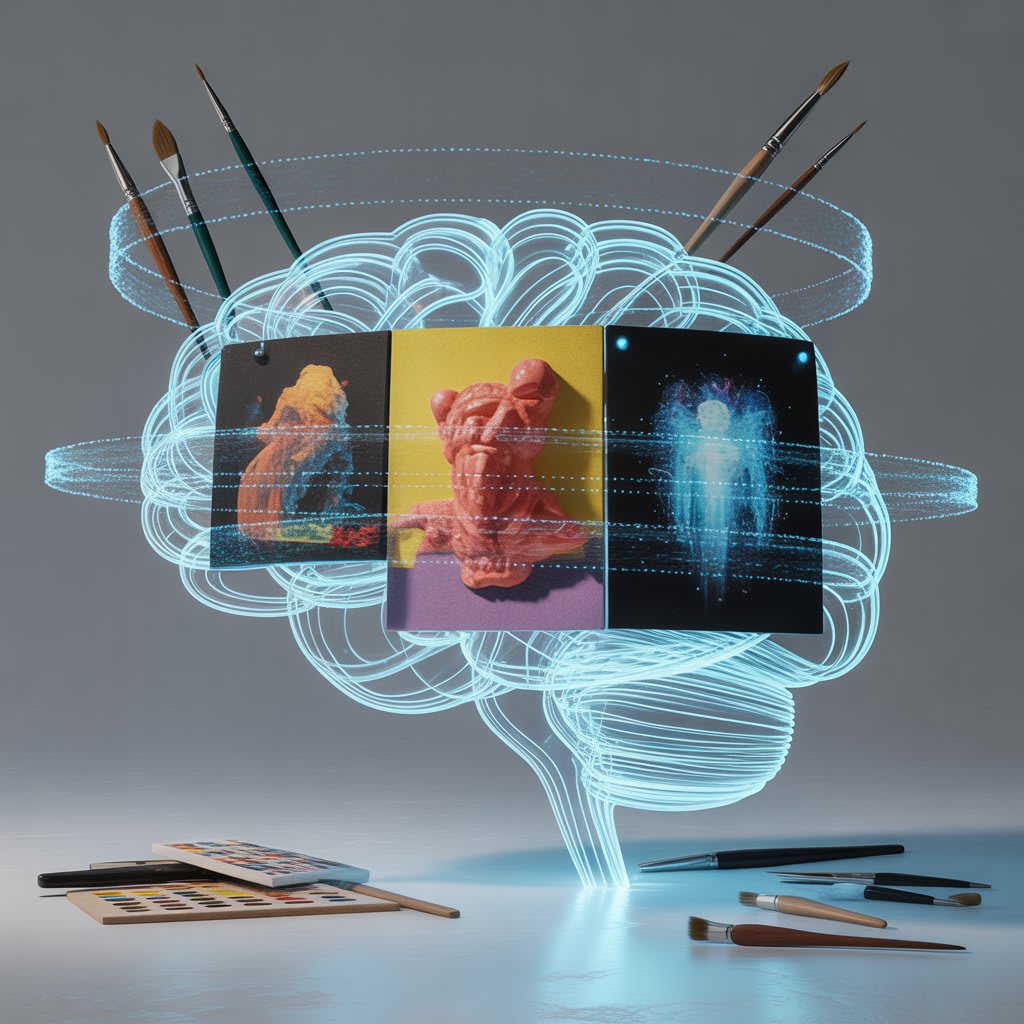
The Age of Digital Loneliness Why We’re More Connected Yet More Alone
In an era where every moment can be posted, shared, and liked within seconds, one question lingers: why do so many of us still feel lonely?
We live in the most connected age in history. With smartphones in our pockets, video calls at our fingertips, and AI assistants ready to respond instantly, you’d think loneliness would be a thing of the past. Instead, studies reveal a surprising trend: despite being more “online” than ever, many people—especially Gen Z and Millennials—report feeling more isolated than previous generations.
So, what’s happening?
The Paradox of Hyperconnection
Social media was designed to bridge the gap between people, yet often, it does the opposite.
Scrolling through endless feeds, we see carefully curated snapshots of others’ lives. Friends posting vacations, new jobs, perfect relationships—it can create the illusion that everyone else is living a better, fuller life. Psychologists call this “social comparison”, and it’s one of the strongest drivers of digital loneliness.
Instead of feeling connected, we often end up feeling left out.
The Rise of Artificial Companionship
Another fascinating shift is the growing comfort with AI-driven connection. From chatbots to virtual companions, many people turn to digital entities for conversation and emotional support.
It’s not hard to see why—AI never judges, never interrupts, and is available 24/7. For some, it feels easier to open up to a non-human listener than to a friend or family member.
But this raises important questions:
Are we trading real intimacy for convenience?
What happens to our ability to handle conflict, vulnerability, and deep human connection if our “friend” is always agreeable?
Why We’re Wired for Connection
Loneliness isn’t just an emotional issue—it’s a biological one. Human beings are wired for community, touch, and face-to-face interaction. Research shows that chronic loneliness can increase the risk of heart disease, depression, and even shorten life expectancy.
Think about it: for most of human history, survival depended on groups. Being alone meant danger. Our brains still carry that imprint, which is why digital communication—no matter how advanced—can’t fully replace the chemical and emotional benefits of in-person interaction.
Breaking the Cycle
The good news? Awareness is the first step. Many people are now actively seeking balance between their digital lives and their real ones. Here are some steps that can help:
1. Digital Detox Days – Logging off for even one day a week can help reset your mental state and reduce comparison fatigue.
2. Relearn Conversation – Start small: talk to a barista, chat with a neighbor, or call a friend instead of texting. These micro-moments add up.
3. Build “Third Places” – Sociologists describe third places (cafes, parks, gyms, libraries) as essential for community. Find or create a space where you can connect without screens.
4. Use Tech Intentionally – Social media isn’t all bad. Follow communities that uplift, inspire, and make you feel genuinely connected rather than inadequate.
The Future of Connection
It’s clear that the world isn’t moving backward—AI and digital life are only going to become more integrated into our daily routines. But maybe the answer isn’t rejecting technology; it’s redefining how we use it.
Instead of measuring connection by likes, follows, or comments, we can focus on depth. Instead of outsourcing intimacy to machines, we can use them as bridges to more meaningful human connections.
Because at the end of the day, the one thing technology can’t replace is the warmth of human presence—the comfort of knowing someone is truly there, in the room with you.
Final Thoughts
Loneliness in the digital age isn’t just an individual issue—it’s a cultural one. The way we design, use, and balance our digital spaces will shape the future of human connection.
We don’t have to choose between technology and intimacy. The real challenge is learning how to let them coexist in a way that nourishes us, rather than empties us.
So maybe the next time you feel lonely, don’t just scroll. Call a friend. Step outside. Sit with someone in silence. Because sometimes, the smallest offline moments matter more than the loudest online ones.
About the Creator
Muhammad ali
i write every story has a heartbeat
Every article starts with a story. I follow the thread and write what matters.
I write story-driven articles that cut through the noise. Clear. Sharp truths. No fluff.
Keep reading
More stories from Muhammad ali and writers in Motivation and other communities.
The Day I Met the Version of Myself I’d Been Running From
The Day I Met the Version of Myself I’d Been Running From We like to think we know ourselves. We can list our favorite foods, recall our biggest achievements, and replay our most painful memories. But knowing yourself isn’t the same as meeting yourself — not the polished version you present to the world, but the raw, unfiltered you that lurks behind the noise.
By Muhammad ali5 months ago in Motivation
How I earn $100 in a day
There was a time when earning $100 in a single day felt like a fantasy to me. Not a goal — a fantasy. I remember staring at my phone late at night, doing small mental calculations: If I earn $5 today and $10 tomorrow, maybe by the end of the month… Even those numbers weren’t guaranteed. Some days, nothing came in at all. And that silence — the absence of notifications, emails, or messages — was louder than failure. People online love to talk about success like it’s loud and shiny. For me, it was quiet. Heavy. Full of doubt. The day I earned $100 didn’t begin with excitement. It began like every other day: tired eyes, a slow morning, and a question I kept asking myself — Is this even worth it? What kept me going wasn’t motivation. It was necessity. I didn’t suddenly become smarter or more talented. I didn’t discover a secret website or a hidden trick. I simply stopped waiting for the “perfect” moment and started using what I already had. I offered small digital work. Simple things. Work that wouldn’t impress anyone on social media — but work that people genuinely needed. And I did it sincerely. That day, the first payment came in early. It wasn’t big. Just enough to remind me that someone trusted me with their money. That feeling mattered more than the amount. Later, while I was offline, something unexpected happened. A digital product I had created earlier — something I almost didn’t upload because I thought it wasn’t good enough — sold. Then it sold again. I stared at the screen for a few seconds, unsure whether to smile or stay calm. By evening, another small task came my way. Then one more. None of these moments felt dramatic. No fireworks. No victory music. Just quiet confirmations that effort, even imperfect effort, still counts. When I finally added everything together late at night, my heart paused. It crossed $100. I didn’t jump. I didn’t celebrate. I just sat there — still — because for the first time, the number felt real. What hit me hardest wasn’t the money. It was the realization that I had been underestimating myself for a long time. I believed earning like this was reserved for “others” — more confident people, more skilled people, luckier people. That belief was wrong. Earning $100 in a day didn’t change my life instantly. But it changed something inside me. It replaced doubt with proof. And proof is powerful. Now I understand something important: money doesn’t always come from doing big things. Sometimes it comes from doing small things consistently and with sincerity. Some days I still don’t reach $100. Some days are quiet again. But the fear is gone. Because once you know something is possible, it stops being a dream and starts being a process. I no longer wait for motivation. I work, even when I feel unsure. I trust that effort never disappears — it just takes time to show itself. If you’re reading this while feeling stuck, tired, or invisible, I want you to know something honestly: You’re not behind. You’re just early in your story. And one ordinary day — without warning — things can start to add up.
By Shah Fayaz 6 days ago in Motivation



Comments
There are no comments for this story
Be the first to respond and start the conversation.