
Sitting Too Long After a Heart Attack Could Be Deadly
Movement matters for heart attack survivors, new research reveals

Introduction
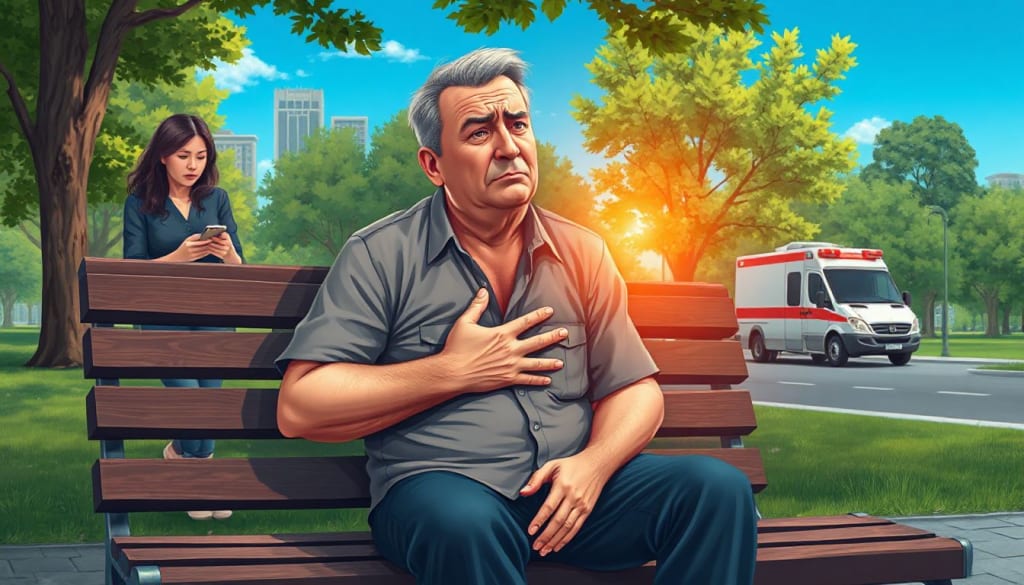
After experiencing a heart attack, many people focus on medicines, diet, and follow-up exams. But one danger often gets overlooked: sitting too long. Modern lifestyles make us spend hours glued to desks, TVs, or smartphones, even during recovery. This inactivity can seriously threaten your health after a heart attack. Understanding why movement matters and how to stay active safely can save your life. Today, you'll learn about the risks of too much sitting, what science says, and simple steps to protect yourself during recovery.
The Link Between Prolonged Sitting and Heart Attack Risks
How Sedentary Behavior Affects Heart Health
Staying seated for hours causes serious changes inside your body. Blood pressure can go up, while good cholesterol (HDL) drops. Blood sugar levels may also rise, increasing the chance of further heart problems. Studies link a sedentary lifestyle to higher risks of heart disease and stroke. When you spend too much time sitting, your heart and blood vessels don't get the blood flow they need. This sets the stage for future issues, especially if you already had a heart attack.
Risks Specific to Post-Heart Attack Patients
For someone recovering from a heart attack, sitting too long can do even more damage. Inactivity can lead to inflammation in blood vessels, making healing tougher. It also slows down circulation, meaning blood may pool or form clots more easily. This can trigger another heart attack or stroke. Reducing movement once you leave rehab is critical because your heart remains vulnerable during recovery.
Global and National Data on Sedentary Lifestyle and Cardiac Outcomes
Statistics show that nearly 80% of adults worldwide sit for more than 6 hours daily. In the US, more than half of adults sit for 7 hours or longer. This behavior significantly worsens recovery outcomes after a heart attack. Data links long sitting hours to increased chances of death from heart-related causes. The more you sit, the higher your risk becomes, especially in the crucial months after a cardiac event.
Why Sitting Post-Heart Attack Is Particularly Dangerous
The Impact on Heart Recovery and Healing
Your heart needs gentle activity to heal and regain strength. When you sit too long, blood flow slows down. This hampers the repair of damaged heart tissue. Prolonged sitting also increases blood viscosity—making it thicker and more prone to clotting. Healthy circulation is the key to proper healing after a heart attack. So, inactivity can turn into a barrier to full recovery.
Risks of Recurrent Heart Attack and Sudden Cardiac Events
Clinical studies reveal that people who stay inactive for hours increase their chances of another heart attack. Easy activities may seem harmless, but inactivity can trigger dangerous irregular heart rhythms or blockages. Sitting for long periods can cause sudden chest pain, dizziness, or even fainting. These telltale signs point to an emergency waiting to happen if ignored.
Expert Opinions on Post-Heart Attack Activity
Many cardiologists agree that moving is crucial during recovery. One expert says, "Gentle walking and standing are essential for healing." Others stress moderation—overdoing it too soon can also harm, so guidance from your doctor is key. The message is clear: movement should be part of your plan, but at a safe pace.
Recognizing the Signs of Danger from Sedentary Behavior
Symptoms That Warrant Medical Attention
Feeling chest tightness or pain while sitting? Shortness of breath without physical exertion? Dizziness or lightheadedness? These are signs your heart may be struggling. If any arise during or after sitting, consult your doctor immediately.
Warning Signs of Recurrent Cardiac Events
Other symptoms include persistent fatigue, irregular heartbeats, swelling in ankles, or unusual chest discomfort. These could warn of another attack or worsening condition. Don't wait—timely care can save your life.
When to Consult Your Healthcare Provider
Regular checkups help track your recovery progress. Share your sitting habits and activity levels with your doctor. They can tailor a safe exercise plan suited to your needs. Never ignore persistent or new symptoms. Always seek advice before increasing activity.
Practical Strategies to Reduce Sitting Time After a Heart Attack
Incorporating Movement into Daily Routine
Making small changes can make a big difference.
- Take a stand or walk around every 30 minutes.
- Do light stretching exercises during breaks.
- Incorporate short walks around your home or yard.
- Use a timer or app to remind you to move regularly.
Designing a Heart-Healthy, Active Lifestyle
Participate in a structured cardiac rehab program if possible. These supervised sessions focus on safe exercises to strengthen your heart. Start slow and gradually increase activity levels under medical supervision. Remember, consistency beats intensity.
Tips for Office and Home Settings
At work or home, consider standing desks or ergonomic chairs. Stand while on phone calls or watching TV. Don't stay seated during long periods; change posture often. Creating a routine of movement can replace long sitting hours naturally.
The Importance of Medical Guidance and Personalized Care
Consulting Your Healthcare Team Before Making Changes
Before adding new activities, talk to your doctor. They understand your unique health situation. They can recommend appropriate exercises and activity levels.
Role of Cardiac Rehabilitation Programs
These programs provide expert supervision and education, making recovery safer and faster. They teach you how to gradually add movement while avoiding risks.
Monitoring Progress and Adjusting Activity Levels
Use devices like pedometers or fitness trackers to measure daily steps. Regular follow-ups help adjust your activity plan as you recover. Track symptoms so your healthcare team can fine-tune your care.
Conclusion
Sitting for too long after a heart attack isn't just uncomfortable—it can be deadly. Prolonged inactivity worsens recovery and increases the risk of another attack. Staying active, but safely, helps your heart heal and stay strong. Move regularly, listen to your body, and follow your doctor's advice. Your best defense against future heart trouble is simple: keep moving. Please reach out to your healthcare provider to develop a safe activity plan that safeguards your well-being and supports your full recovery. Avoid allowing prolonged sitting to become a silent killer.
🙌 If you enjoyed this story, don’t forget to follow my Vocal profile for more fresh and honest content every day. Your support means the world!
About the Creator
vijay sam
🚀 Sharing proven affiliate marketing tips, smartlink strategies, and traffic hacks that convert. Follow for insights, tools, and real results to help you earn smarter—whether you're just starting or scaling up!
Keep reading
More stories from vijay sam and writers in Motivation and other communities.
10 Funny & Weird Things I Do to Make My Life Easier
Everyone has their daily struggles—missed alarms, messy rooms, or forgetting important errands. Normal routines may not always suffice. That's when I began incorporating humor and unconventional methods into my daily routine. Turns out, these quirky habits make things way less stressful and actually boost my productivity. Want to know some of my top funny hacks? Keep reading—your life could use a little silliness too.
By vijay sam8 months ago in Motivation




Comments (1)
me full support you can you support me