
Set Your Priorities in 3 Easy Steps
How do we choose what to do?

In this day and age, there always seems to be so many tasks demanding our time. With all these things to do, how do we choose which ones to complete and when? How do we ensure the tasks we choose to complete are working towards our goals?
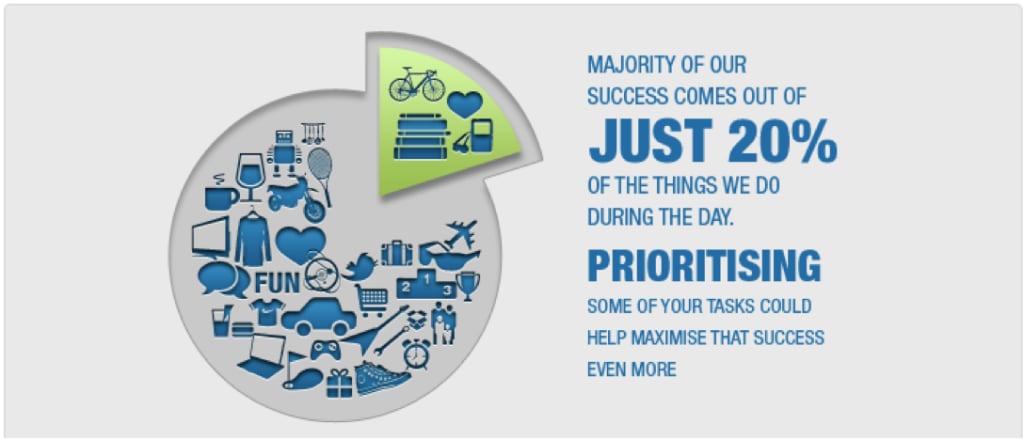
It is easy to feel overwhelmed while thinking about every single thing we need to do. However, it is worth noting that the majority of our success comes out of approximately 20% of the things we do during the day. Thinking pragmatically, if you prioritise your tasks properly you could essentially maximise that success even more. You can do this by cutting the time that may be wasted on other things.
Setting priorities is a simple strategy to allow yourself to feel more in control of your busy schedule. Feeling in control of your schedule will alleviate the overwhelming feeling you may be experiencing. Following the steps below can make you feel calmer about achieving tasks and crushing deadlines.
This activity is best done at the start of the week or at the end of the previous week to set you up for the week to come. It should not take more than 20 minutes but it will save immense time throughout the week. You won't be stressing you have forgotten something or missed a deadline. You will also know if you are wasting time on tasks that are not necessary.
Step 1: Make a list of every task you need to complete
This step works best when you include every single task for the day. Think of all the things you do throughout your day. Then think of all the big tasks for the week.
Eg.
- Making the bed
- Morning routine
- Responding to emails
- Doing the grocery shop
- School pick up/drop off
- Work meetings
- Cooking Dinner
- Working out
- Night routine
- Scrolling social media
- Reading
Step 2: Set deadlines for when each of those tasks needs to be completed
Setting these deadlines gives you an idea of how urgent each thing is. It also highlights how important they are.
Now, you have your list of all the tasks you need to complete for the week. Allocate deadlines for each thing listed in step 1.
Step 3: What is important and what is not?
You now have your list from step 1 and you have the deadlines for each task in step 2. Working out which of those from the list are important is what you need to do next.
We feel overwhelmed when we have a list of things to do because each task seems to be as demanding as the next. This is why is it is important to identify the things that are important and need to be completed urgently. The rest of the tasks may fall under the category of it would be nice to do this. Working out the importance of each task can help reduce this pressure.
For this last step, you will identify the important things that you must do. There are four strict categories the tasks can be sorted into.
- Must do - these tasks are essential. All things that fall under this category have to be done. Highest importance.
- Important - these things also need to be done but are not essential.
- Nice - these are pleasant activities. These things are important to include in your life but should not take place of the things in your must-do category.
- Unnecessary - tasks in this category may be things you do when you are bored or procrastinating. Lowest importance.
Categorise each of the tasks you noted in Step 1 into one of the above 4 categories.
---
Completing these three steps will make it super clear which tasks need to be done and which ones are time wasters. After identifying which activities you need to focus your time on, you will be able to organise your timetable for the week.
Imagine the success you could have if you spent the majority of your time throughout the week completing the must-do and important tasks.
Give this a try this week and let me know how it works out for you. Was it eye-opening? Did you realise you were spending a lot of time doing things that are unnecessary? Did it alleviate the overwhelming feeling and the pressure?
About the Creator
Keep reading
More stories from writers in Motivation and other communities.
One Hard Thing
Stop me if you’ve heard this one before: You have the number, you know your schedule- you’ve even picked out the perfect day and time to make this appointment. Shoot, you’ve even picked out alternative days and times just in case their schedules can’t accommodate you!
By Taylor Rigsby5 days ago in Motivation
Loyalty
It was midday, and the heat was intense. Caliph Mu‘awiyah ibn Abi Sufyan was seated in his palace in Damascus. From a palace window, he could clearly see the open land stretching far ahead. Suddenly, his eyes fell upon a man who was walking toward the palace barefoot, stumbling under the scorching heat. The Caliph remarked to those present, “Who could be more unfortunate than a man compelled to travel like this in such heat?”
By Sudais Zakwan6 days ago in Motivation




Comments
There are no comments for this story
Be the first to respond and start the conversation.