
Science & Mind
Exploring the Inside and Outside of the Universe

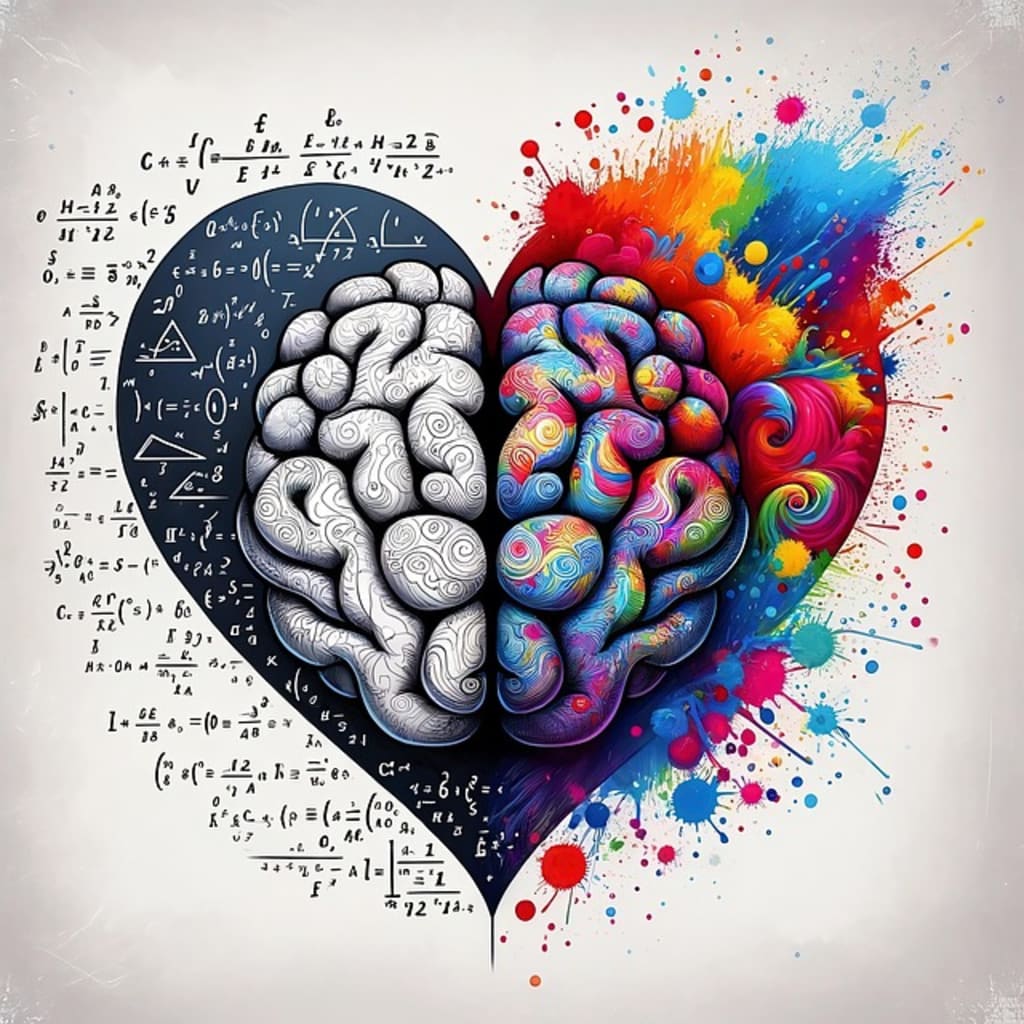
Can your brain be hacked? The Art of Neuroplasticity Research.
If you were able to rewire your brain like a computer, you might be able to break bad habits, learn new skills more quickly, or even heal emotional wounds. Although it may sound like something out of science fiction, neuroplasticity provides exactly this. The notion that the brain becomes static after a certain age is long gone. The brain is constantly changing, adapting, and even repairing itself, as science now demonstrates. Therefore, you can hack your brain, yes. Let's find out how.
What is Neuroplasticity?
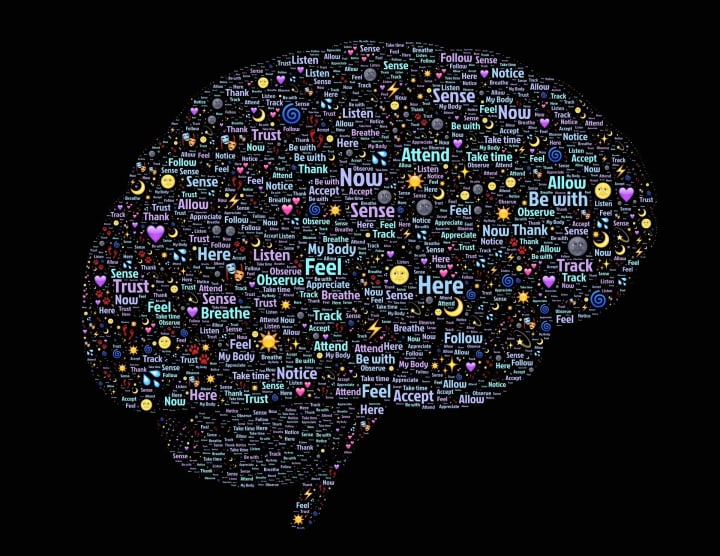
The brain's capacity to reorganize itself throughout life by forming new neural connections is known as neuroplasticity. This indicates that your thoughts, feelings, experiences, and even routines can physically alter the way your brain looks and works. This is a big departure from what scientists have known for centuries: that your brain was "set in stone" when you were an adult.
Advanced brain imaging has enabled researchers to observe individuals recovering from strokes by retraining other brain regions to replace lost functions. By using neuroplasticity, some people have been able to recover from trauma, develop new abilities, or alter their personality traits.
Simply put, your brain is more like clay than a hard drive.
How your brain is already changing in everyday ways.
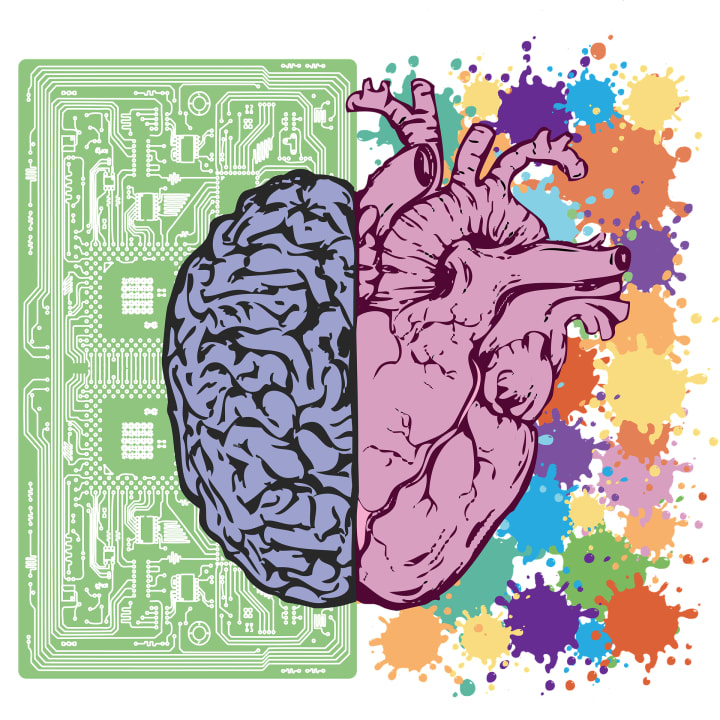
To influence your brain, you don't need a lab or specialized equipment. Whenever you:
I. Discover a new language.
II. Meditation or mindfulness practice.
III. Form a habit (good or bad).
IV. Replay an emotional memory.
V. Even scroll on your phone for hours.
You are literally altering the wiring in your brain.
Neurons that fire together, wire together is one name for this process. The brain strengthens the connection between the involved neurons when you repeat a behavior or thought pattern, making it easier to repeat later. This is great news if you want to learn to play the piano, but it's not so great if it makes you feel worse or makes you want to put things off.
Good News: You Can Develop Your Brain Through Training.
"Brain hacking" becomes a real possibility at this point. Neuroplasticity is neutral; it does not distinguish between good and bad habits. The key is to pay attention to what you put into your brain. Positive plasticity can be promoted in the following ways, supported by evidence:
• Meditation for Mindfulness
Meditation is not limited to monks only. Research shows that practicing mindfulness on a regular basis can increase the density of gray matter in the brain regions involved in learning, memory, emotional regulation, and empathy. Additionally, it slows down activity in the brain's fear center, the amygdala.
• Learning New Skills
Your brain's cognitive flexibility is strengthened when you push yourself to learn something new, like an instrument, a sport, or even coding. The activity is better for your neural network the more unfamiliar it is.
• Exercise (Yes,Really)
The release of Brain-Derived Neurotrophic Factor (BDNF), also known as "miracle-grow for your brain," is stimulated by physical activity, particularly aerobic exercise. It enhances brain resilience, focus, and memory.
• Sleep
Sleep quality is essential to neuroplasticity. Your brain consolidates memories and literally eliminates waste during deep sleep, similar to mental spring cleaning.
• Positive Thinking
Positive self-talk and practices of gratitude are repeated and activate neural pathways that boost optimism and mood. They may weaken the brain's natural tendency to be negative and stressed over time.
Real-World Examples of Neuroplasticity in Action
1. Recovery from a Stroke: Constraint-induced movement therapy is used to retrain patients who have lost use of one limb. This forces the brain to find new ways to control movement. New pathways emerge over time and restore functionality.
2. Trauma and Post-Traumatic Stress Disorder (PTSD): Treatments like Eye Movement Desensitization and Reprocessing (EMDR) make use of the principles of neuroplasticity to rewire the way traumatic memories are stored, thereby lessening their emotional impact.
3. Sensory Substitution and Blindness: In people who are blind, the visual cortex, which is normally used for seeing, can be used for touch or hearing. They are able to "see" the world in a different way because of this, demonstrating how adaptable the brain can be.
The Dark Side of Neuroplasticity
Neuroplasticity has advantages and disadvantages. Negative habits can deepen harmful ones, just as positive habits can strengthen helpful pathways. The brain is also altered by compulsive behaviors, addiction, and chronic stress, but not in the way you want.
For example:
• Continuous multitasking can shorten one's attention span.
• Repetitive scrolling can dull dopamine responses.
• Resentment can exacerbate emotional suffering.
The bright side? It is never too late to change these patterns because plasticity continues.
Conclusion: You are the programmer.
The conclusion? You don't have to live with the brain you were given. Even with the brain you had yesterday, you are not stuck. Every day, your thoughts and actions shape the structure of your brain's neurons. You can use this power to build a smarter, healthier, and more resilient version of yourself by becoming intentional.
Your brain is like a garden: anything you water will grow. So, what plant will you put in today?
About the Creator
Raihan Islam
Jane Smith is a content strategist at DigitalMedia, helping brands grow through creative campaigns. She enjoys reading mystery novels and experimenting with new technologies in her spare time.
Keep reading
More stories from Raihan Islam and writers in Motivation and other communities.
The weed of today is incredibly potent. However, you shouldn't be concerned about that.
The familiar admonition, "Today's marijuana is much stronger than it used to be," is probably something you've heard any time you've listened to news stories about cannabis in recent times. And that is accurate. Modern cannabis is a completely different experience than the mellow, low-THC strains your parents or grandparents might have smoked in the 1960s and 1970s.
By Raihan Islam 10 months ago in Lifehack
One Hard Thing
Stop me if you’ve heard this one before: You have the number, you know your schedule- you’ve even picked out the perfect day and time to make this appointment. Shoot, you’ve even picked out alternative days and times just in case their schedules can’t accommodate you!
By Taylor Rigsby5 days ago in Motivation
The Largest Problem With Waiting Until You're Ready Does Not Work
I have talked to many people over the years about the goals they have... For their lives... For their careers... And there is one thing that I have heard more often than anything else.
By Dr. Cody Dakota Wooten, DFM, DHM, DAS (hc)6 days ago in Motivation




Comments
There are no comments for this story
Be the first to respond and start the conversation.