
Ratan Tata: Celebrating the Life and Legacy of India’s Most Respected Business Leader and Philanthropist
How Ratan Tata Transformed the Tata Group, Built Global Brands, and Dedicated His Life to Philanthropy and Social Good
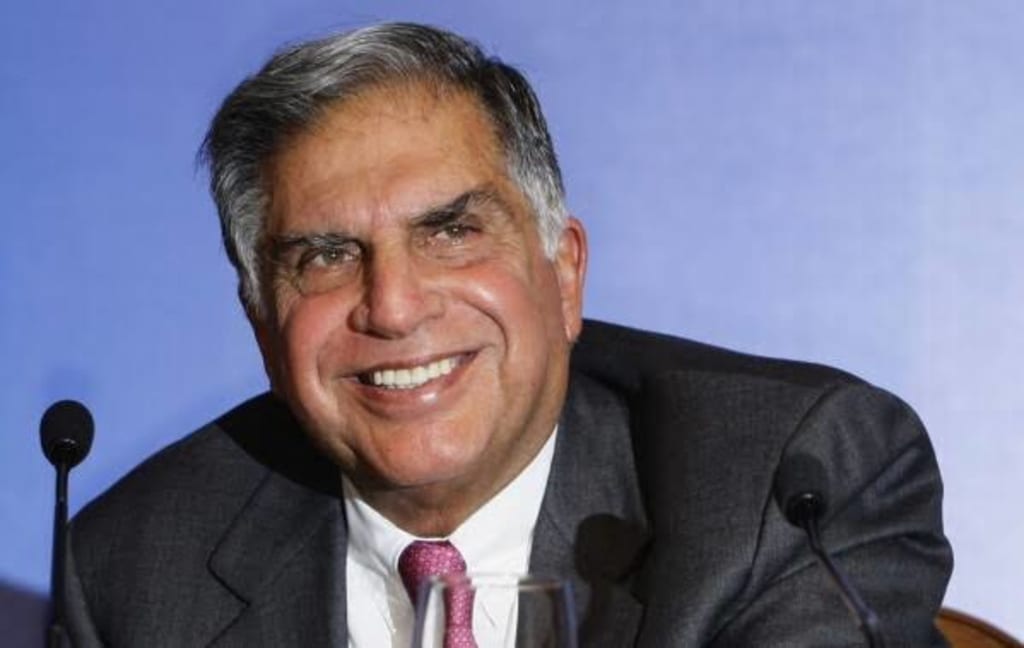
Ratan Tata, one of India's most respected business leaders and a celebrated philanthropist, passed away at the age of 86 due to age-related health complications. His death, announced by the Tata Group, marked the end of an era for the Indian business community and triggered an outpouring of tributes from people across India and around the world.
Tata was more than just a billionaire and the head of a vast business empire; he was a figure who earned widespread admiration for his humility, integrity, and generosity. His life journey reflected the essence of simplicity and the belief that business success should also drive social good. Throughout his career, he made it clear that his mission went beyond profits—it was about building a better society.
A Legacy of Leadership
Born in 1937 in Mumbai, Ratan Tata came from a family with deep roots in the business world. The Tata Group, founded by his great-grandfather more than a century ago, had already become one of India’s most storied conglomerates by the time Ratan took over in 1991. The group owned iconic businesses such as Tata Steel, Tata Motors, Tata Power, and the famous Taj Mahal Hotel in Mumbai.
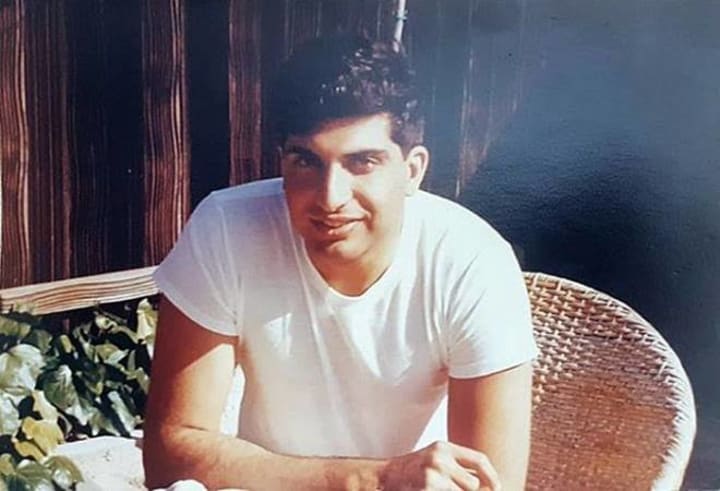
Ratan Tata joined the family business in the 1960s, starting as a shop-floor apprentice in Tata Steel. He was known for his hands-on approach to learning the business from the ground up. After rising through the ranks, he became the chairman of the Tata Group, where he led with a vision to make it a global powerhouse. Under his leadership, Tata made several high-profile acquisitions, including the British brands Tetley Tea in 2000 and Jaguar Land Rover in 2008. These deals boosted India’s reputation on the world stage, and Tata became a symbol of India’s growing global influence.
However, unlike many corporate leaders who are primarily driven by the desire for profit, Ratan Tata always maintained a strong focus on ethics, philanthropy, and social responsibility.
A Humble Leader in the Business World
In the fast-paced world of Indian business, Ratan Tata stood out for his humility. He led a modest life, steering clear of flashy displays of wealth and power, and maintained a reputation for honesty and integrity throughout his career. Unlike many of his peers, he managed to avoid major controversies or corruption scandals, which only increased the respect people had for him.

His leadership style was defined by his commitment to making a positive impact on society. One of his most well-known initiatives was the Tata Nano, an ultra-affordable car aimed at making vehicle ownership possible for lower-income families in India. Though the car didn’t achieve commercial success as expected, the effort reflected Tata’s larger goal of improving lives through innovation.
Philanthropy and Social Impact
Ratan Tata’s philanthropic efforts were as impactful as his business ventures. Through the Tata Trusts, which he personally oversaw, he gave millions to causes related to education, health care, sanitation, and rural development. His work in these areas had a lasting effect on millions of people across India.
Tata’s commitment to education was particularly notable. As a graduate of Cornell University, where he earned a degree in architecture, he gave back generously to his alma mater. Over the years, he became one of Cornell’s largest international donors, supporting numerous scholarships and research initiatives. His belief in the power of education to transform lives was evident in all his philanthropic endeavors.
Even in his later years, long after stepping down as the head of the Tata Group in 2012, Tata continued to work towards improving society. He showed deep concern for animal welfare and often spoke up about the need for businesses to act responsibly towards the environment and their communities.
A Man of Integrity
Despite his many achievements, Ratan Tata faced challenges like any other business leader. One of the more difficult moments in his career came in 2010 when leaked recordings suggested that Tata, like many business leaders in India, had engaged in lobbying efforts. However, his strong reputation for honesty and integrity helped him emerge from this scandal relatively unscathed.
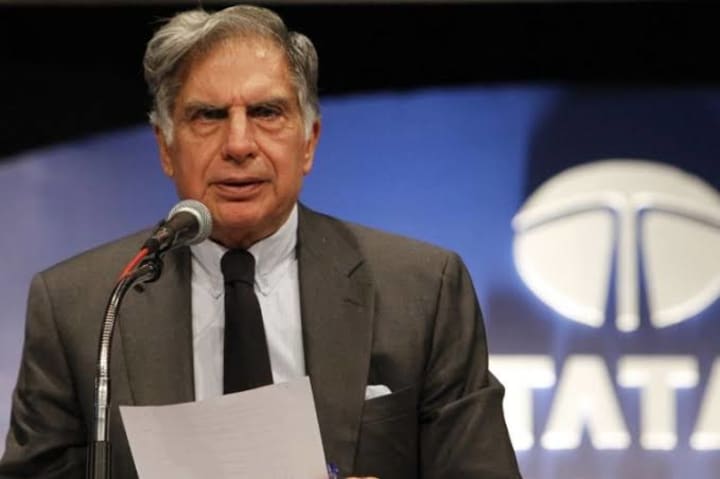
In a famous interview with journalist Karan Thapar in 2000, Tata expressed his pride in running a business that stayed away from corrupt practices. He acknowledged that it might have been a challenge, but he felt it was important to maintain his values. “I really would like to go to bed at night or wake up in the morning saying that we have not succumbed, and yet we’ve been successful,” he said.
Tributes Pour In
Following his passing, tributes poured in from all over India and the world. Prime Minister Narendra Modi called Tata a “visionary business leader” and praised his contributions to health, education, and other social causes. Former Prime Minister Manmohan Singh highlighted Tata’s courage in “speaking the truth to those in power” and recognized his lasting contributions to society through his philanthropy.
Leaders from various industries, including Alphabet’s CEO Sundar Pichai and other global figures, also paid their respects. On Thursday, the state of Maharashtra declared a day of mourning, and thousands gathered outside Tata’s residence and at the National Center for Performing Arts in South Mumbai to pay their final respects.
Conclusion
Ratan Tata’s life was a testament to the idea that business can be a force for good. His remarkable achievements as a business leader, combined with his dedication to improving society, made him one of India’s most admired figures. As India mourns the loss of this great man, his legacy of kindness, integrity, and vision will continue to inspire future generations.
About the Creator
Keep reading
More stories from Jayu and writers in Motivation and other communities.
How to Earn Money from YouTube: A Beginner’s Guide
YouTube has become more than just a platform for entertainment. Over the years, it has evolved into a lucrative opportunity for creators to earn money and even make it their full-time career. If you're passionate about creating content and are curious about how to make money on YouTube, this guide will walk you through the process in simple terms.
By Jayuabout a year ago in Motivation
From Struggles and Failures to Building a Global Fried Chicken Empire
The man you see in the logo of the world’s most famous fast-food chain, KFC, is Colonel Harland Sanders. He spent his whole life doing hard work, but after the age of 65, something happened that completely changed his life. In this journey of success, he faced many challenges, and in the end, his own company, KFC Corporation, even filed a court case against him. Harland Sanders was born on September 9, 1893, on a small farm near Henryville, Indiana. The first big difficulty of his life came when he was only six years old, and that was the death of his father. Since he was the eldest among his siblings and his mother had to stay out of the house all day to earn money, Harland had to take the responsibility of raising his younger siblings at a very young age. By the age of just seven, he had already become skilled in cooking bread and vegetables.
By Bilal khan 7 days ago in Motivation
How to Succeed at the Benson Directory®
Congratulations and welcome to the Benson Directory® employee #22391! As our newest call handler, you will have the privilege of speaking with dozens of unique and interesting people on a daily basis as well as the opportunity to earn bonuses for high performance. Contained within this handbook you will find a set of ease to follow instructions designed to help you settle in to your new role and begin paving the way to success.
By S. A. Crawford3 days ago in Fiction



Comments
There are no comments for this story
Be the first to respond and start the conversation.