
Procrastination: The Thief of Time and the Mirror of the Mind
Why We Delay, What It Costs Us, and How Small Steps Can Break the Cycle

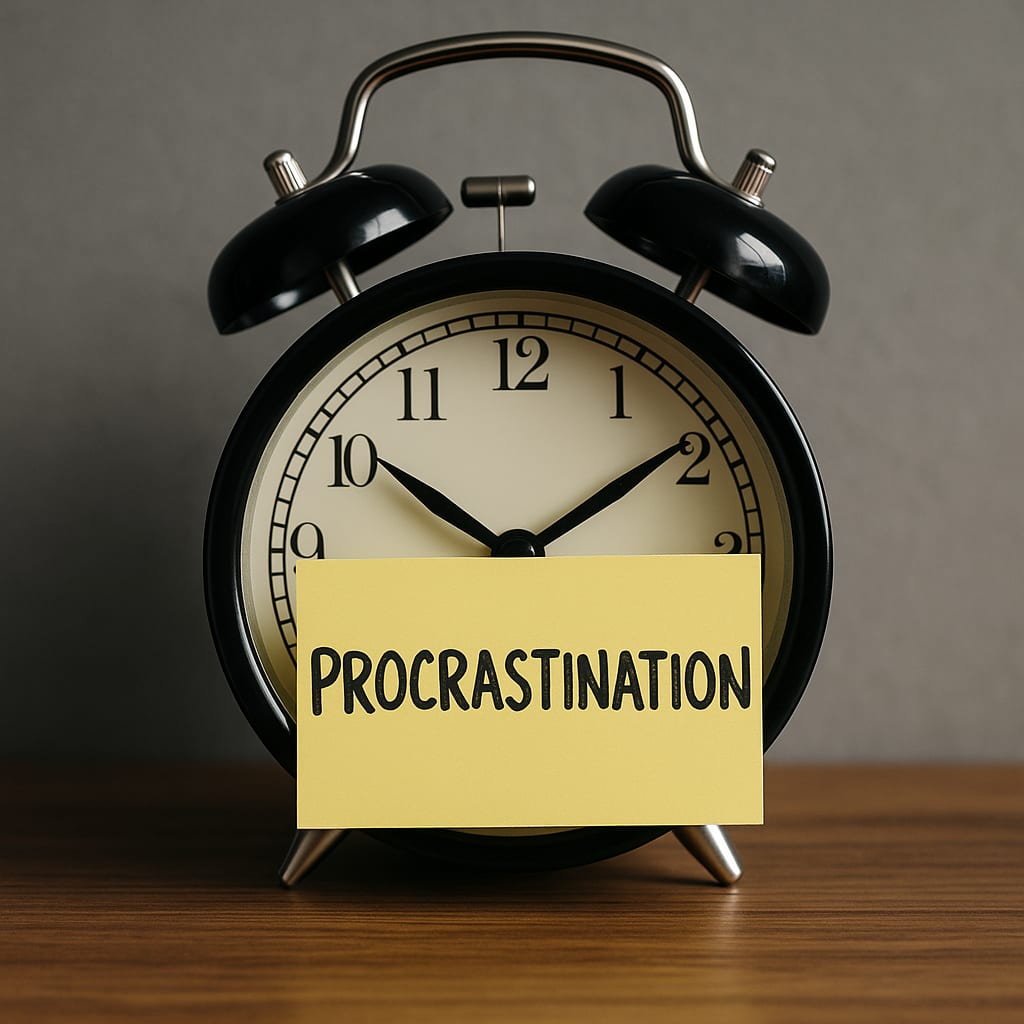
I once sat down to write an article about procrastination. I brewed a cup of coffee, opened my laptop, and promised myself I'd start writing right after checking Instagram. Three hours later, I knew everything about a stranger’s wedding in Bali and the top ten habits of millionaires, but the article? Still a blinking cursor on a blank screen.
If that sounds familiar, you’re not alone.
Procrastination isn’t laziness—it’s fear in disguise.
That’s something I had to learn the hard way. People often label procrastinators as lazy, disorganized, or unmotivated. But most of the time, it’s not a lack of discipline—it’s anxiety. We fear failure. We fear not being good enough. Sometimes, we even fear success and the pressure it brings. So we stall. We scroll. We clean the fridge. We do literally anything except the thing that needs doing.
I remember putting off applying for a scholarship because I thought I wasn’t smart enough to win it. A friend pushed me to apply the night before the deadline. I got the scholarship. That moment taught me that procrastination isn’t about not wanting to do something—it’s about the stories we tell ourselves.
The stories we tell ourselves are powerful.
“I work better under pressure.”
“I’ll start when I’m in the right mood.”
“I’m just too busy right now.”
We say these things so often they feel true. But they’re shields, protecting us from the uncomfortable truth that we might be avoiding something meaningful.
The brain loves short-term rewards.
Every time we avoid a task and do something “fun,” our brain gives us a hit of dopamine. That’s why scrolling through TikTok feels so much easier than replying to emails or writing a report. But the relief is temporary, and the guilt creeps in eventually. You know the cycle—avoid, feel guilty, panic, rush the task, vow to do better next time… and repeat.
So how do we break the cycle?
I’m not here to preach a miracle cure. But here’s what’s helped me:
Start small. Just five minutes. Tell yourself you only need to work on it for five minutes. More often than not, five becomes fifteen, then thirty, and suddenly, you're in the zone.
Forgive yourself. Beating yourself up doesn’t make you more productive. Be gentle. Be curious. Ask why you’re avoiding the task in the first place.
Make it real. Talk about your goals with someone. Write them down. Make them tangible. Our brains treat vague goals as distant possibilities, not urgent priorities.
Celebrate progress, not perfection. A messy draft is better than a perfect idea stuck in your head.
Procrastination is human. So is overcoming it.
We’re not robots. Life is messy, emotions are complicated, and productivity isn’t always linear. But every time you choose to take a small step forward—no matter how tiny—you’re proving to yourself that you can change. And that’s powerful.
So if you’ve been putting something off—writing an article, applying for a job, calling someone you love—consider this your sign. Not to do it all. Just to begin.
Even if it starts with just five minutes and a blinking cursor.
Conclusion:-
Procrastination is the delaying of something for example we the drama of Shakespeare Hamlet in there is procrastination in the character of Hamlet which lead him to death. Procrastination is a common challenge, often rooted in fear and anxiety. To overcome it, understand your habits and thoughts, and use time management techniques like breaking tasks into smaller ones and setting achievable goals. Make rewards immediate and consequences tangible. Design your future actions with commitment devices, and focus on progress over perfection. With consistency and patience, you can kick the procrastination habit and achieve your goals. Start small, stay motivated, and take action today.
About the Creator
Zakir Ullah
I am so glad that you are here.
Reader insights
Outstanding
Excellent work. Looking forward to reading more!
Top insights
Compelling and original writing
Creative use of language & vocab
Easy to read and follow
Well-structured & engaging content
Excellent storytelling
Original narrative & well developed characters
Expert insights and opinions
Arguments were carefully researched and presented
Eye opening
Niche topic & fresh perspectives
Heartfelt and relatable
The story invoked strong personal emotions
Masterful proofreading
Zero grammar & spelling mistakes
On-point and relevant
Writing reflected the title & theme
Keep reading
More stories from Zakir Ullah and writers in Motivation and other communities.
My Breaking Point Became My Turning Point
I still remember the day I hit rock bottom. I was drowning in debt, my relationships were strained, and I felt like I was sleepwalking through life. Every morning was a struggle, every decision felt like a monumental task, and every night was a battleground against self-doubt and anxiety. I was lost, and I didn't know how to find my way back.
By Zakir Ullah10 months ago in Motivation
The Sound of Walking Alone
No one warns you about this: the path to your dreams gets quieter the further you go. At first, it’s all noise. Opinions. Advice. Encouragement. Even skepticism feels loud. Everyone has something to say—how you should start, when you should stop, who you should listen to.
By Habib Rehman2 days ago in Motivation




Comments (4)
Amazing
Powerful insights, Zakir! The way you break down procrastination’s roots and share practical tips to tackle it.
Nice 👍
Excellent ♦️♦️♦️please subscribe to m3 I subscribed to you 🙏💙