
Personal Transformation
Thoughts on positive change and accepting help

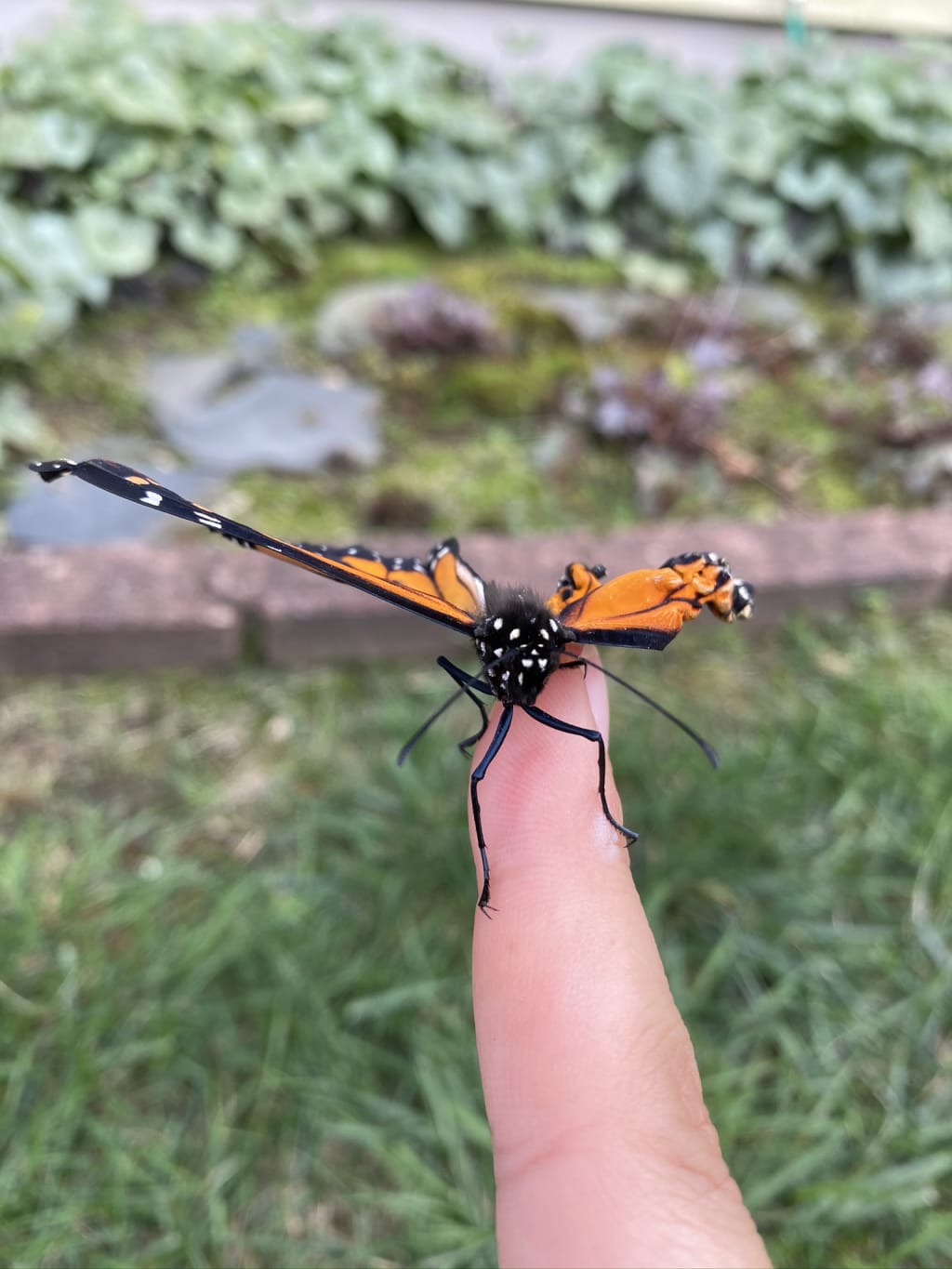
In late August, a butterfly with a crippled wing entered my life and reminded me that positive personal transformation is all about accepting adversity. As a symbol of transformation, the butterfly has consistently existed as a positive metaphor for patience, growth, and rebirth. What does it mean then when a butterfly cannot fly?
For two weeks, an insect was the focal point of my family’s attention. I bought a mesh habitat and fresh blooming plants from the local florist. I took care of him, hydrated him, and gave him “outdoor” time. My daughters named him, “Hope.”
There was something to be learned here, and I was going to learn it.
In a year such as 2020, hope is something that requires a really good internal magnifying glass to find. It’s been difficult to stay positive amid the array of global pandemic issues mixed with political discord, civil unrest, environmental disasters, and a neverending state of asking “when is this going to be better?”
The answer is, it may not get better. It’s a realistic option among the answers available, no more or less likely than the option that everything will turn up daisies and wonderful again. Hope, the butterfly, reminded me that sometimes you have to yield to reality and accept disappointments. If Hope had been meant to fly, he would have had two functional wings, but he did not. In turn, if the world was meant to be different right now, it would be, but it’s not.
About a week into our new pet butterfly, I could tell Hope anticipated riding our hands to safely drink morning dew from the grass. He trusted us, and that alone seemed extraordinary for a butterfly. That’s why it was particularly tough when he passed away only 12 days after we found him.

Truly a part of me believed Hope would live longer. Similarly, we tend to not realize how quickly life passes by until we’re looking back at it. One day, we are here, and the next, we won’t be.
So, I ordered a butterfly case to preserve Hope and the lessons we learned. He sits in the living room now, a reminder that life is short. Moreso, he is a reminder that when life provides struggles, you have two choices.
The first choice is to stubbornly flop around aimlessly like Hope did on the first day we saw him. Insisting to fly, and refusing to accept his wing was a problem, he didn’t trust us when we kept trying to help him climb to the food. At one time, he wobbled his way under one of our car tires to hide from us, even tbough we were trying to help.

The second choice is to realize there’s a problem and accept assistance, which is what Hope had to do. Hope’s short-lived survival depended on his ability to adjust and trust us for help. He needed to enjoy more than falling repeatedly on rocks. We helped him know grass, flowers, rain, and dirt safely. His habitat helped him enjoy the sun, and his trust in us allowed him to explore other areas of our property.
It’s not easy to accept hardships in life, and it’s natural to struggle and get lost in the struggle. It can take a long time before we seek out help or even trust anyone enough to let them in enough to know our vulnerabilities. In wanting to change, most of us tend to stay the same. We want to prove to ourselves that if we keep fluttering in our setbacks, we’ll overcome the rocks, wasting tons of time until we finally decide to accept our adversity and seek others for support. In this way, Hope, the flightless butterfly, taught me that true positive change comes from allowing others and their resources to be a part of your transformation journey, and letting go of the idea that you’re supposed to figure it out alone. When seeking real personal transformation, seek out the people around you for support.
About the Creator
Prin Dumas Sielski
Prin is a freelance writer and songwriter from the NJ / NYC area.
Keep reading
More stories from Prin Dumas Sielski and writers in Motivation and other communities.
Ultimate Holiday Gift Guide
This holiday season, you can be the absolute best gift giver by supporting small business, selecting sustainable brands, and staying within a reasonable budget. Impossible? Follow this holiday gift guide to please everyone on your Nice List!
By Prin Dumas Sielski5 years ago in Lifehack
The Paper Trail to Freedom: Robert Churchwell and the Quiet War Inside the Mailroom
The old true story of Robert Churchwell and Black postal workers during the Civil Rights era who risked their jobs and lives to document mail tampering and voter suppression in the Deep So
By Frank Massey 7 days ago in Motivation


Comments
There are no comments for this story
Be the first to respond and start the conversation.