
Navigating the Legal Aspects of Starting a Business
From business structures to taxes and beyond

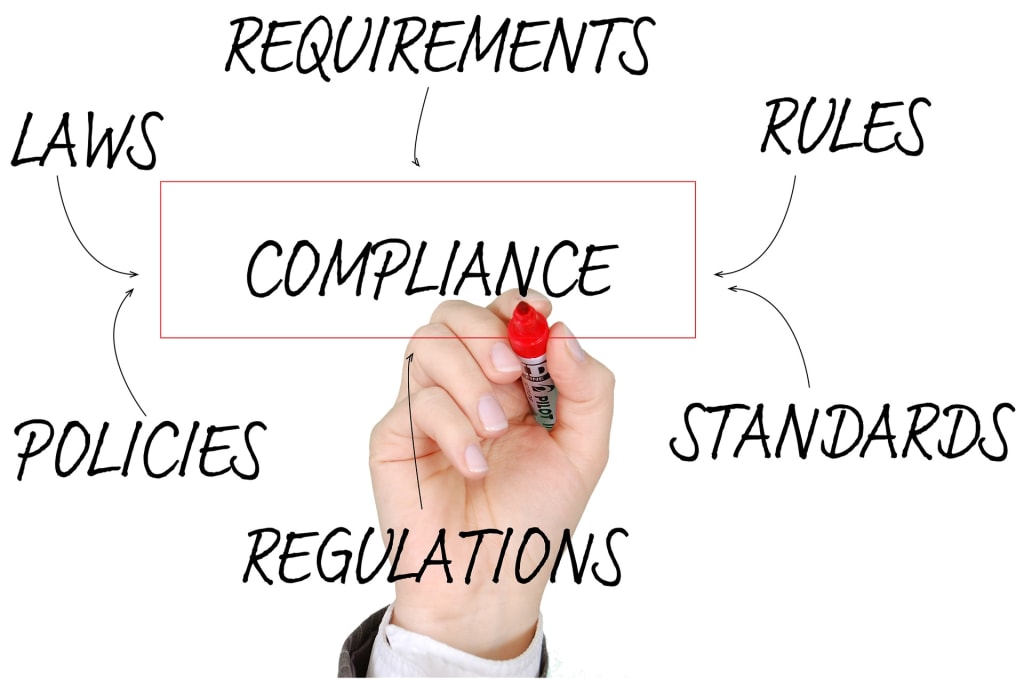
Starting a business can be an exciting and rewarding venture, but it's important to be aware of the legal aspects involved. From choosing a business structure to registering for taxes, there are a lot of legal steps that entrepreneurs need to take. In this blog, we'll discuss the key legal considerations when starting a business and offer tips on how to navigate them.
Choosing a Business Structure
"Choosing the right business structure is like laying a strong foundation - it sets the stage for success."
One of the first legal considerations when starting a business is choosing a business structure. The most common types of business structures include sole proprietorships, partnerships, limited liability companies (LLCs), and corporations.
Sole Proprietorships: This is the simplest business structure and involves a single person who owns and operates the business. However, the owner is personally liable for any debts or legal issues related to the business.
Partnerships: This structure involves two or more people who share ownership of the business. Like sole proprietorships, partners are personally liable for any debts or legal issues.
LLCs: This structure offers limited liability protection, meaning that the owners (known as members) are not personally liable for the business's debts or legal issues.
Corporations: This structure offers the most protection for personal liability, as the business is a separate legal entity from its owners.
When choosing a business structure, it's important to consider factors such as the size of the business, the level of liability protection needed, and tax implications.
Registering for Business Licenses and Permits
"Proper registration and licensing may be paperwork, but it's crucial to avoid roadblocks and keep your business on the right track."
Depending on the type of business and its location, entrepreneurs may need to obtain various licenses and permits to operate legally. This can include business licenses, zoning permits, health, and safety permits, and more.
To determine which licenses and permits are required, entrepreneurs can consult with their local government or a business attorney. Failing to obtain the necessary licenses and permits can result in fines and legal issues down the line.
Understanding Employment Laws
"Employment laws may be complex, but treating your employees fairly is simply good business."
As a business owner, it's important to understand the laws related to hiring and managing employees. This includes laws related to minimum wage, overtime pay, discrimination, and more.
In addition to federal laws, businesses must also comply with state and local laws related to employment. Failing to comply with these laws can result in legal issues and financial penalties.
Protecting Intellectual Property
"Your ideas are valuable - protecting them is not only smart, it's essential for long-term success."
Intellectual property (IP) refers to creations of the mind, such as inventions, designs, and artistic works. As a business owner, it's important to protect your IP through patents, trademarks, and copyrights.
Patents protect inventions and new processes, trademarks protect company names and logos, and copyrights protect original works such as books and music. By protecting your IP, you can prevent others from using or copying your ideas and creations.
Tax Considerations
"Don't overlook the small details - proper tax planning can lead to big savings and increased profitability."
Finally, entrepreneurs must be aware of the tax implications of starting a business. This includes registering for an Employer Identification Number (EIN), paying payroll taxes, and filing taxes on business income.
It's important to work with a qualified accountant or tax professional to ensure that all tax obligations are met. Failing to do so can result in financial penalties and legal issues with the IRS.
In conclusion, starting a business can be an exciting adventure, but it's important to be aware of the legal considerations involved. By choosing the right business structure, obtaining the necessary licenses and permits, understanding employment laws, protecting intellectual property, and considering tax implications, entrepreneurs can set themselves up for success. With the right legal guidance and preparation, starting a business can be a smooth and rewarding experience.
However, navigating the legal aspects of starting a business can be complex and overwhelming, especially for first-time entrepreneurs. That's why it's important to seek the guidance of experienced professionals such as business attorneys, accountants, and tax professionals. These experts can provide valuable advice and ensure that all legal requirements are met, setting the business up for success.
"Navigating the legal aspects of starting a business may be complex, but it's a crucial step in setting your business up for success."
About the Creator
Mugunthan
Welcome all,
A versatile content writer with a passion for storytelling, creating engaging, informative, memorable content and a commitment to excellence.
Keep reading
More stories from Mugunthan and writers in Motivation and other communities.
Where Is God When Bad Things Happen?
Bad things continue to happen in the world. People are aware of the mass shootings, terrorism, fires, hurricanes, tornadoes, earthquakes, wars, parents killing their children, and children killing their parents. Those acts have left loved ones in pain, suffering, and grief.
By Margaret Minnicks5 days ago in Motivation




Comments
There are no comments for this story
Be the first to respond and start the conversation.