
Most people don’t know I’m struggling. That’s the point.
The Silent Battle Behind a Quiet Face

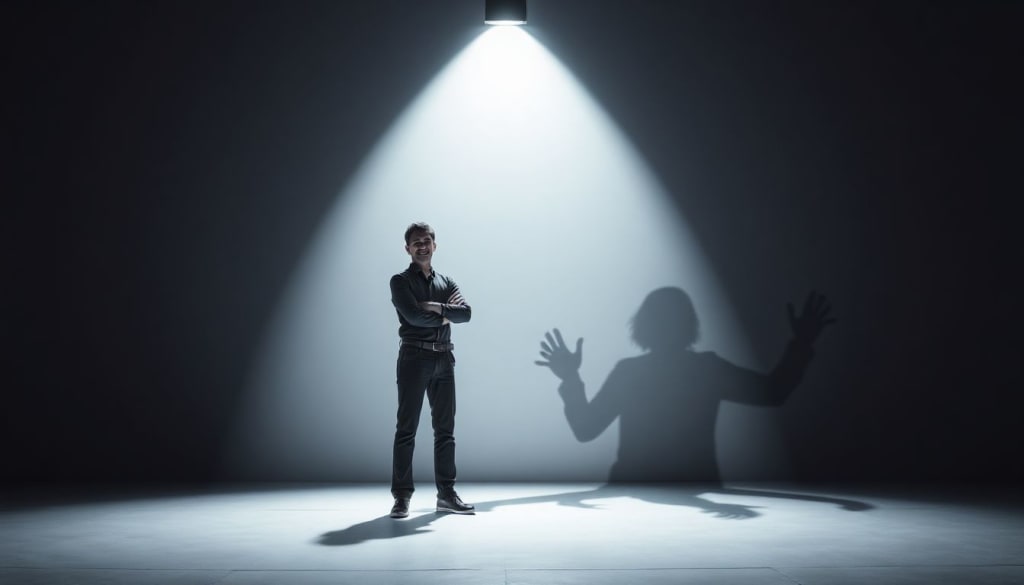
We often see folks out in the world, smiling, looking put-together. They might be at work, with friends, or sharing moments online. But underneath that calm look, many people are fighting a quiet battle. They're dealing with big worries or deep hurts that no one else sees. This act of hiding struggles isn't random. It’s a choice made for many reasons.
Society often pushes us to be perfect. We feel a constant pressure to have it all figured out. This belief makes it seem like showing any weakness is a negative thing. Thus, we learn to keep our real feelings tucked away. It becomes easier to pretend everything is correct than to show our truth.
This article will explore why people keep their struggles secret. We will look at the good and bad parts of making this choice. We will also see what it means for our well-being and our connections with others.
The Art of the Unseen Battle
Some battles are fought in silence. Many choose to face their tough times alone. They do this for powerful and personal reasons.
Why We Build Walls
It takes a lot to let people see your hurt. We often put up walls to keep others out. This helps us feel safe, or at least in control.
- Societal Expectations of Strength: Our world often tells us to be strong. We hear stories of overcoming everything alone. This can make vulnerability feel like a weakness. People fear being judged or looked down on. No one wants pity, either.
- Protecting Our Identity: When you're struggling, it can feel like that struggle defines you. You might worry that others will only see your pain. There's a strong desire to keep up a certain image. This could be seen as capable, happy, or strong.
- Avoiding Burdening Others: Many worry about being "too much" for friends or family. They think their problems will weigh others down. There's a strong belief that you should handle your own issues. This feeling often comes from a wish to protect loved ones.
The "Perfect" Illusion: Social Media and Reality
Our lives online often look very different from our real lives. Social media plays a big part in this. It helps us build a perfect illusion.
- Curated Lives Online: Platforms like Instagram and Facebook encourage showing only the best parts. We post happy photos and success stories. These are often called "highlight reels." No one posts about their bad days or failures.
- Comparison Culture: Seeing everyone else's perfect life can make us feel worse. We see their wins and wonder why our own life isn't as good. This can make feelings of inadequacy grow. Studies have shown a link between heavy social media use and feeling down.
- The Double-Edged Sword of Connection: Social media connects us in many ways. But when struggles are hidden, it can make us feel even more alone. You might be surrounded by online friends, yet feel deeply isolated. This is a strange kind of loneliness.
The Private Costs of a Public Face
Keeping your struggles secret comes with a price. This hidden cost affects your mind and your relationships. It can be a heavy burden to carry alone.
Emotional and Mental Strain
Pretending everything is fine takes a lot of effort. This constant act can wear you down. It drains your energy and peace of mind.
- The Energy Drain of Maintaining a Façade: It takes constant work to hide what you're feeling. You have to push down real emotions and put on a calm front. This can be exhausting. It often leads to deep tiredness, a feeling called burnout.
- Internalized Shame and Isolation: When you hide problems, shame can grow inside. You might feel bad about what you're going through. This shame keeps true connections from forming. It's a strange feeling to be with many people but still feel totally alone.
- Escalation of Unaddressed Problems: Bottling up issues doesn't make them go away. It often allows them to get bigger. Small worries can become huge problems when they are not faced head-on. They become unmanageable.
Impact on Relationships
Hiding struggles also affects how you connect with others. It stops people from truly knowing you. This can create distance, even with those you care about most.
- Lack of Authentic Connection: When you hide your pain, others can't offer real support. They don't know what you need. This stops true understanding from growing. You miss out on deeper, more honest relationships.
- Misunderstandings and Resentment: If people don't know your story, they might misread your actions. They could think you are rude or distant. This can lead to hurt feelings or resentment, especially if you need help but don't ask.
- The Risk of Accidental Revelation: There's always a worry that your secret will slip out. The thought of being "found out" can cause a lot of anxiety. It also risks damaging trust with those closest to you.
When Hiding Becomes a Strategy
Sometimes, keeping things to yourself is a smart move. It can be a way to build strength and keep control. Not all struggles need a public audience.
Self-Reliance and Resilience Building
Facing challenges alone can make you stronger. It teaches you how to depend on yourself. This can build true resilience.
- Developing Internal Coping Mechanisms: When you tackle problems by yourself, you learn new ways to handle tough feelings. This can boost your inner strength. You get better at solving problems on your own.
- Proving One's Own Capability: There's a real sense of pride that comes from fixing things without a lot of help. It shows you what you're capable of. This builds confidence in your ability to handle life.
- Strategic Disclosure: Sometimes, it's best to sort things out on your own first. Or, you might choose to share only with a tiny, trusted circle. This approach is a smart choice for some situations.
Maintaining Control and Autonomy
Keeping struggles private also lets you stay in charge. You get to decide how your story is told. You control who knows what and when.
- Avoiding Unwanted Advice or Interference: People often want to give their opinion. Keeping quiet helps you avoid advice you don't want or need. It gives you space to work through things your way. You choose how your problems are handled.
- Personal Boundaries: Deciding when and how much to share is a way to set boundaries. It means you choose who enters your private world. This helps protect your energy and peace. You get to control your personal space.
Navigating the Line: When to Share
Knowing when to share is key. Not every struggle needs to be hidden. Finding the right people and moments can bring immense relief and strength.
Identifying Trustworthy Support Systems
It is important to find safe people to open up to. These are the ones who will listen without judgment. They offer a true sense of comfort.
- Qualities of a Safe Confidant: Look for someone who listens well and does not judge. They should make you feel safe. This could be a close friend, a family member, a partner, or a therapist.
- Gradual Disclosure: You don't have to tell everything at once. Start by sharing smaller bits. See how they react. This allows you to explore the possibilities without feeling overwhelmed. It's okay to take your time.
- Seeking Professional Help: Therapists and counselors are trained to help. Support groups also offer a safe space. Talking to a mental health expert can give you new tools. They offer a safe, private place to work through tough issues.
The Benefits of Vulnerability
Opening up can be scary, but it offers big rewards. It brings a sense of freedom and true connection. It also helps you feel less alone.
- Receiving Genuine Support and Empathy: When you share, others can truly understand. This brings giant relief and a feeling of being seen. Sharing can make your relationships stronger and deeper.
- Reducing Internal Pressure: Speaking your truth can be like a deep breath. It releases the heavy weight you've been carrying. Opening up is a powerful way to let go of hidden emotions.
- Inspiring Others: Your story might help someone else. When public figures share their mental health journeys, it empowers many. Your honesty can show others it's okay to seek help too.
Conclusion
Hiding struggles is a very common human behavior. It often comes from a deep need for protection. We want to avoid judgment and keep our sense of control. This choice is understandable, given the pressures we face daily.
However, true well-being often means finding a balance. Being strong within yourself is crucial. But it also means having the courage to show your true feelings. This balance allows for both independence and connection.
Think about your own life. Is there someone safe you could talk to? Or perhaps a professional who could help? Choosing when to share, and with whom, is a powerful act of self-care. It's about making a conscious choice for your own peace.
...
Thank you for reading! 🌷
🙌 If you enjoyed this story, don’t forget to follow my Vocal profile for more fresh and honest content every day. Your support means the world!
About the Creator
vijay sam
🚀 Sharing proven affiliate marketing tips, smartlink strategies, and traffic hacks that convert. Follow for insights, tools, and real results to help you earn smarter—whether you're just starting or scaling up!
Keep reading
More stories from vijay sam and writers in Motivation and other communities.
Do This Every Night To Change Your Life: The Power of a Consistent Evening Routine
Are you tired of feeling rushed, stressed, or just plain stuck when the day ends? Many of us crash on the couch, scroll through our phones, and wonder why tomorrow feels no better. What if a simple shift in your nightly habits could truly change everything?
By vijay sam8 months ago in Motivation




Comments
There are no comments for this story
Be the first to respond and start the conversation.