
Manaslu Circuit Trek
Nepal’s Remote Himalayan Gem for True Adventure Seekers
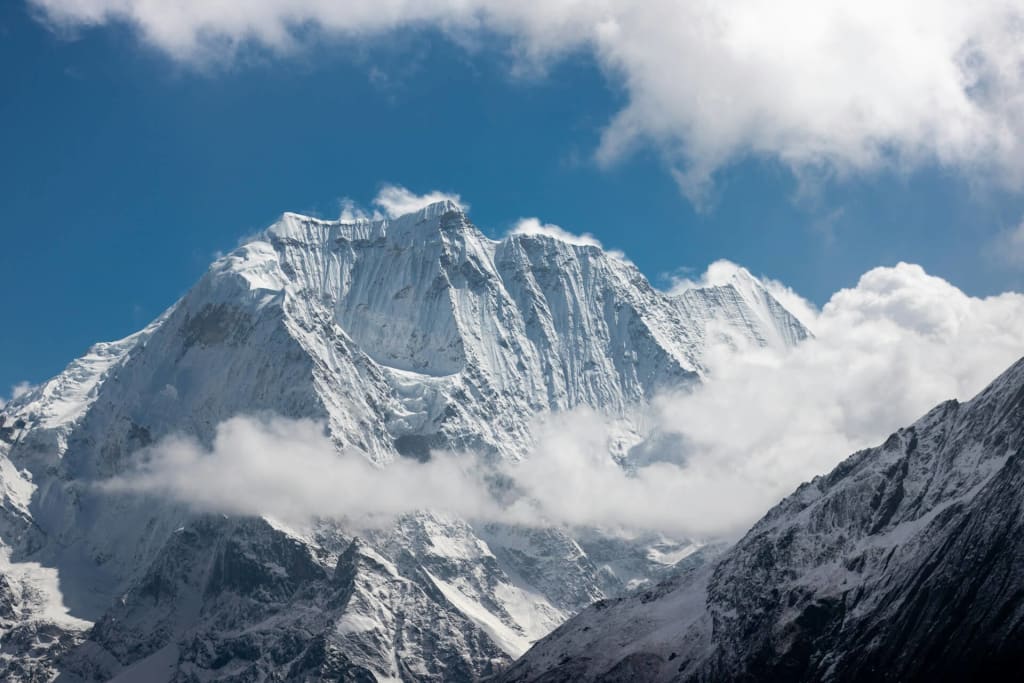
When most people think of trekking in Nepal, they imagine the Everest Base Camp trail or the famous Annapurna Circuit. But tucked away in the Gorkha region lies a lesser-known jewel — the Manaslu Circuit Trek — a remote, wild, and stunning alternative that rewards adventurers with pristine mountain views, rich culture, and a true sense of discovery.
Named after Mount Manaslu (8,163 m) — the eighth-highest peak in the world — this trek circles the majestic mountain, taking you through lush subtropical valleys, remote Tibetan-influenced villages, and over one of the most breathtaking passes in Nepal: Larke La Pass (5,106 m).
For travelers seeking authenticity and fewer crowds, the Manaslu Circuit offers everything — beauty, challenge, and cultural depth — without the overwhelming foot traffic found on more commercialized trails.
A Journey Through Changing Landscapes
One of the most unique aspects of the Manaslu Circuit Trek is the dramatic shift in scenery as you climb higher.
Day 1–4: The trek begins in the lush lowlands at Soti Khola (700 m). You’ll walk alongside rice paddies, cross suspension bridges, and pass through warm villages where children greet you with wide smiles.
Day 5–9: As you climb toward villages like Namrung and Samagaon, the air becomes cooler, the forests turn to pine, and the peaks of Himalchuli, Ganesh Himal, and Manaslu itself dominate the skyline.
Day 10–13: Above 3,500 m, you enter the alpine zone. This is where the trek feels most remote. The crossing of Larke La Pass is challenging but spectacular — prayer flags flutter as you take in panoramic views stretching to Annapurna II and Himlung Himal.
Descent: The trail then descends to Bimthang and Tilije, offering a whole new perspective of the mountains before ending in Dharapani, where you connect with the Annapurna Circuit route.
Each section feels like a chapter in a story — perfect for journaling, vlogging, or just soaking in the adventure.
Culture & Connection: More Than Just a Trek
Manaslu Region is not just about mountains — it’s about people. The villages here are a blend of Gurung, Nubri, and Tibetan cultures, with centuries-old monasteries, mani walls, and prayer wheels marking the trail.
In Samagaon and Samdo, you’ll meet locals dressed in traditional attire, herding yaks or spinning prayer wheels. Many trekkers choose to spend an extra day here, hiking to Pungyen Gompa or Birendra Lake — not just for acclimatization, but to connect with the region’s spiritual side.
Suggested 14–16 Day Itinerary
Day Route Altitude Duration
01 Arrive in Kathmandu 1,400 m —
02 Trek briefing, permit work, sightseeing — —
03 Drive to Soti Khola 700 m 8–9 hrs
04 Trek to Machha Khola 930 m 6–7 hrs
05 Trek to Jagat 1,410 m 6 hrs
06 Trek to Deng 1,804 m 6–7 hrs
07 Trek to Namrung 2,630 m 6 hrs
08 Trek to Lho 3,180 m 4 hrs
09 Trek to Samagaon 3,530 m 4 hrs
10 Acclimatization day / side trip 3,530 m 4–5 hrs
11 Trek to Samdo 3,860 m 4 hrs
12 Trek to Dharamsala 4,460 m 4–5 hrs
13 Cross Larke La Pass → Bimthang 5,106 m → 3,720 m 8–9 hrs
14 Trek to Tilije 2,300 m 6 hrs
15 Trek to Dharapani → Drive to Besisahar 1,860 m 6 hrs trek + drive
16 Drive to Kathmandu — 6–7 hrs
Permits & Regulations
Manaslu is a restricted area, so permits are mandatory:
- Manaslu Restricted Area Permit (RAP): Required for foreigners, only available through a registered trekking agency.
- Manaslu Conservation Area Permit (MCAP): For conservation entry.
- Annapurna Conservation Area Permit (ACAP): Needed for the final section.
Solo trekking is not permitted — you must have a licensed guide and at least two trekkers on the same permit (or pay extra for a ghost permit if solo).
Accommodation, Food & Drinks
Accommodation is in tea houses — small family-run lodges offering simple rooms, often with shared bathrooms. Rooms usually have twin beds, blankets, and a common dining area with a stove.
Food options include:
- Dal Bhat (rice, lentils, curry) – unlimited refills, perfect for trekkers
- Noodle soup, momos (dumplings), fried rice, pasta, pancakes
- Hot drinks like tea, coffee, ginger honey lemon — a must for chilly evenings
Higher up, food choices become limited and slightly more expensive due to transport challenges. Bring some personal snacks, energy bars, or instant coffee to supplement.
Best Time to Go
Spring (March–May): Rhododendrons in bloom, warmer temperatures, and clear views.
Autumn (Sept–Nov): Stable weather, crystal-clear skies, perfect for photography.
Avoid monsoon (June–August) when landslides are common and winter (Dec–Feb) when snow can close the pass.
Preparation & Fitness Tips
This trek is moderate to challenging, especially with the altitude gain and the long day over Larke La Pass.
Preparation tips:
Cardio Training: Hike, jog, or climb stairs regularly 6–8 weeks before the trek.
Strength Training: Focus on legs and core strength for uphill/downhill sections.
Acclimatize Properly: Take rest days and don’t rush.
Pack Smart: Good boots, warm layers, gloves, sleeping bag, and trekking poles are musts.
Why Choose Manaslu Circuit Over Other Treks?
- Less Crowded: Only a fraction of the trekkers compared to Annapurna or Everest.
- Untouched Beauty: Feels like trekking in Nepal decades ago.
- Cultural Depth: Tibetan monasteries, ancient gompas, and unique village life.
- Adventure: Larke La Pass crossing is one of Nepal’s most dramatic high passes.
Conclusion
The Manaslu Circuit Trek is not just a physical journey — it’s a deep dive into Nepal’s landscapes, culture, and your own endurance. Each step takes you further from the modern world and deeper into a land where prayer flags flap in the wind and mountains stand like silent guardians.
For anyone looking for a trek that blends raw beauty, cultural richness, and a sense of true adventure — Manaslu is it. By the time you cross Larke La Pass and descend into Bimthang, you won’t just have captured amazing photos and videos — you’ll have a story worth telling for the rest of your life.
About the Creator
Keep reading
More stories from Sundar Nepal Treks and writers in Motivation and other communities.
Langtang Valley Trek
The Langtang Valley Trek is a hidden gem in Nepal, offering breathtaking Himalayan scenery, rich cultural experiences, and a moderately challenging adventure suitable for most trekkers. Nestled in the Langtang region, this trek is often referred to as the "Valley of Glaciers" because of its stunning alpine landscapes, pristine rivers, and snow-capped peaks. This detailed guide is designed for 2025 travelers looking for an immersive Himalayan journey, with information on itinerary, highlights, best seasons, trekking difficulty, and comparisons to other well-known trails.
By Sundar Nepal Treks4 months ago in Motivation
I Thought I Was Falling Behind in Life
I used to think I was falling behind in life, but it turns out I was just on my own timeline. It felt like I was always playing catch-up. "Way behind." Running a little behind. It felt like everyone else understood something I didn't get.
By Beshoy Zayer3 days ago in Motivation
How to Succeed at the Benson Directory®
Congratulations and welcome to the Benson Directory® employee #22391! As our newest call handler, you will have the privilege of speaking with dozens of unique and interesting people on a daily basis as well as the opportunity to earn bonuses for high performance. Contained within this handbook you will find a set of ease to follow instructions designed to help you settle in to your new role and begin paving the way to success.
By S. A. Crawford4 days ago in Fiction




Comments
There are no comments for this story
Be the first to respond and start the conversation.