
Love Letters to the Past
Memories often flutter like delicate butterflies

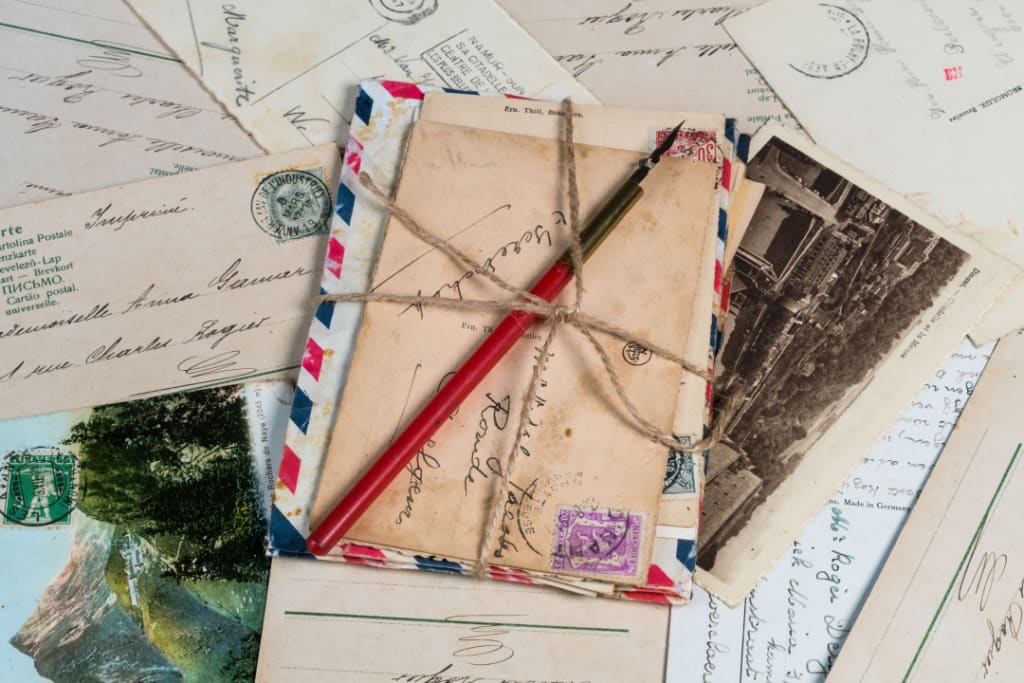
In the quiet corners of our minds, memories often flutter like delicate butterflies. Some memories bring warmth, while others might sting with a hint of sadness. These memories are like love letters to our past, each one filled with emotion and meaning. As we journey through life, we gather moments—some cherished, others regrettable—that shape who we are today.
Imagine sitting down on a rainy afternoon, the sound of raindrops tapping against the window. You pull out a piece of paper and a pen, ready to write a letter. But this isn’t a letter to someone in your life today. It’s a letter to your past self. You might start by recalling the innocent joy of childhood, the laughter shared with friends, or the first love that made your heart race. You remember the simple pleasures—a favorite book, a cherished toy, or the warmth of a parent’s embrace.
Writing to the past can be a powerful exercise in reflection. It allows us to explore who we were and how we’ve changed over time. Think about the dreams you had as a child. Did you want to be an astronaut, a musician, or a teacher? Those dreams were so vivid then, filled with possibilities and wonder. As we grow up, many of those dreams fade away, replaced by the responsibilities of adulthood. But in this letter to your younger self, you can celebrate those dreams, acknowledging the joy they brought you.
Yet, not all memories are sweet. As we continue to write, we may come across moments of pain and regret. Perhaps you remember a friendship that faded, a choice that led to disappointment, or a time you didn’t stand up for yourself. It’s easy to feel overwhelmed by these memories, but they too are part of your journey. By addressing these feelings in your letter, you can find healing. You might write about how these experiences shaped you, teaching you resilience and empathy. It’s essential to recognize that pain can lead to growth, and acknowledging this can be a liberating step.
Let’s not forget about the people who have touched our lives. Each person leaves a mark on our hearts, whether for better or worse. In your letter, you might express gratitude to those who supported you, celebrated your victories, and stood by you during tough times. Maybe you want to forgive someone who hurt you or let go of past grudges. This letter is your chance to say all the things you wish you had said back then. You can even write to those you loved and lost, sharing your love and longing.
After pouring your heart onto the paper, take a moment to reflect. What did you learn from your past? Each experience—good or bad—contributes to the unique tapestry of your life. By revisiting these moments, you can gain a deeper understanding of yourself. You might realize how far you’ve come and how each lesson has prepared you for the future.
Now, what if you could send this letter to your past self? What would you say? Perhaps you’d remind them to embrace every moment, to be kind to themselves, and to cherish the little things. You might urge them to not fear change, as it often leads to beautiful new beginnings.
As we seal the letter with a sense of closure, we realize that while we cannot change the past, we can learn from it. Each moment, each memory, is a stepping stone on our path. By reflecting on these experiences, we grow into the people we are meant to be.
In today’s fast-paced world, it’s easy to forget the importance of reflection. Taking time to write love letters to our past allows us to pause, breathe, and acknowledge the journey we’ve traveled. It reminds us that our past is a part of us, shaping our identities and influencing our choices.
So, grab a pen and paper, and take a moment to write your own love letter to the past. Let the words flow freely, without judgment. Embrace the joy, the pain, and the lessons learned. As you finish, take a deep breath and feel the weight of the past lift just a little. You are not just a product of your experiences; you are the author of your story, and this letter is a beautiful chapter in your journey.
In this act of writing, we find healing, understanding, and ultimately, love. Love for ourselves, love for those who have walked beside us, and love for the experiences that have shaped us. And as we move forward, we carry those love letters with us, guiding us into the future with hope and gratitude.
A Journey of Acceptance
Writing these letters can also lead us to a place of acceptance. We often grapple with regrets and what-ifs, allowing them to cloud our present. But through reflection, we begin to understand that each choice led us to where we are today. It’s like piecing together a puzzle; even the pieces that don’t seem to fit make the picture complete. Each letter is an acknowledgment of the paths we’ve taken, the people we’ve met, and the lessons we’ve learned.
Think about the last time you felt stuck or overwhelmed. It’s easy to lose sight of the beauty in our journey when life gets tough. In your letter, remind yourself of the resilience you’ve shown in challenging times. Recall moments when you’ve picked yourself up after a fall. These are the memories that should shine brightly. They are reminders of your strength and ability to overcome adversity.
As we write, we can also share our dreams for the future. What do you hope to achieve? What lessons from the past can guide you toward those dreams? In your letter, express your hopes and ambitions, allowing your past to inspire your future. You might write about how you wish to embrace new experiences or strive for personal growth. This forward-thinking approach can fill you with a sense of purpose and excitement, breathing life into the memories of yesterday.
The Legacy of Love
As you pour your heart out onto the paper, you might find yourself not just writing to your past self but also to those who will come after you. Think about the legacy you wish to leave behind. What wisdom do you want to pass on? In this way, your love letters to the past become not just a gift to yourself but also a gift to future generations.
Consider writing for your children or grandchildren, sharing the lessons you’ve learned. Tell them about the dreams you once had, the love you’ve experienced, and the mistakes you’ve made. This can be a way to connect across generations, bridging the gap between past and future. In doing so, you create a tapestry of shared experiences that can guide them through their own journeys.
In the end, love letters to the past are more than just written words; they are a form of self-discovery. They invite us to embrace the entirety of our lives—joy, sorrow, triumph, and defeat. Through this process, we learn to love ourselves more deeply and to understand the intricacies of our human experience.
So, take a moment. Write that letter. Allow your heart to speak freely. Embrace your past, and let it guide you toward a brighter, more hopeful future. Every memory is a love letter waiting to be written, and each one has the power to transform your life. Let these letters serve as gentle reminders that love and growth are always possible, no matter where you are in your journey. In this act of writing, you might just discover the beauty of your own story.
About the Creator
Keep reading
More stories from simora akter and writers in Motivation and other communities.
Personal Growth Journeys
Every one of us is on a journey. It's a journey that we walk every day, filled with ups and downs, twists and turns. We may not always recognize it, but our personal growth journey is a fundamental part of who we are. It's about evolving, learning, and becoming the best version of ourselves.
By simora akterabout a year ago in Motivation
From Daydreaming to Doing: How to Turn Desire Into Action
Daydreaming is easy. Action is not. You can sit for hours imagining a better life, the work you want to do, the habits you wish you had, the confidence you hope to feel, the version of yourself you’d love to become. You can picture it in detail, feel the excitement of it, even get a rush of inspiration.
By Stacy Faulk6 days ago in Motivation
🅼🅸🅳🅽🅸🅶🅷🆃 🆂🅽🅰🅲🅺🆂
"It's 10 in Tuscon! We all know what that means... It's Time for Midnight Snacks with your man, Gerald Gee! Ready to spend the night together? Me too! I'm full of snacks and can't wait to regurgitate them all back into your hungry ears. Crack a brew! Pop some corn! Anything to get ready for one hell of a show where the talk maybe cheap but the words cut deep...
By Lamar Wiggins2 days ago in Fiction




Comments
There are no comments for this story
Be the first to respond and start the conversation.