
"Letters Never Sent" (poetic, hints at mystery and love lost)
"A story of lost letters, quiet Sundays, and an unforgettable promise
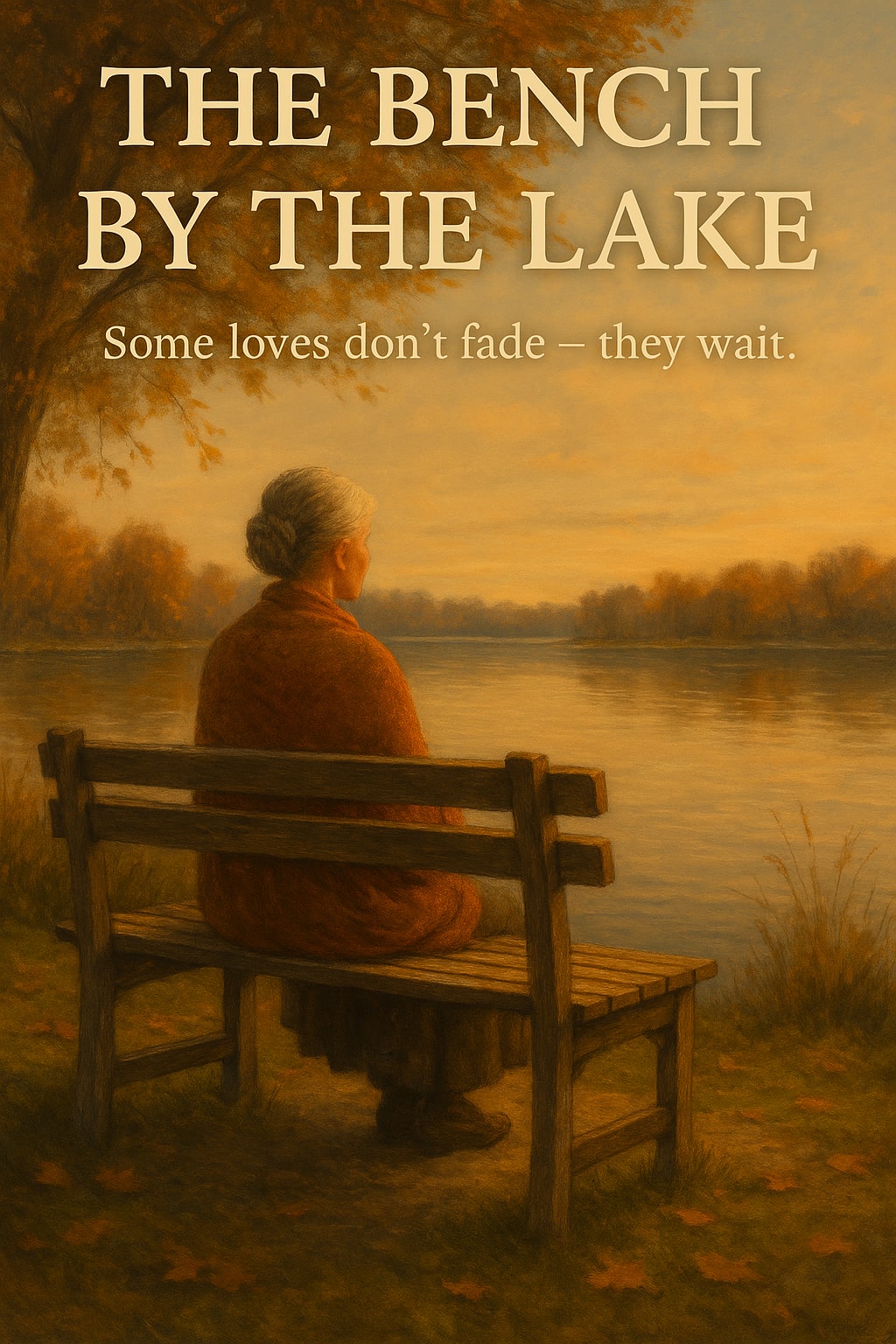
Every Sunday at 4 p.m., Eleanor came to the same old wooden bench by Willow Lake. The bench, weather-worn and slightly tilted, faced the water where ducks drifted lazily and the sky painted its reflection with warm pastels.
To passersby, she looked like any other elderly woman — neat gray hair tied in a bun, a soft woolen shawl draped over her shoulders, and a calm, distant look in her eyes. But this bench was more than just wood and screws to Eleanor. It was a portal to memories that never quite faded.
She met Thomas here in 1964. She was nineteen, he was twenty-one, both students, both stubborn, both unsure of the future but certain about each other. Their first conversation had been an argument over which poet captured heartbreak better: Sylvia Plath or Pablo Neruda. They laughed, then kissed, then kept coming back to this bench every weekend.
After graduation, life pulled them in different directions. He moved to New York for work; she stayed back to care for her ailing mother. Letters were exchanged. Promises made. But time, as always, had its own plans. Thomas stopped writing after a year. No goodbye. No closure.
Eleanor never married. She built a quiet life, became a literature teacher, traveled a little, read a lot, and returned to the bench every Sunday, long after it stopped making sense to others. She told no one about Thomas. Some memories, she believed, were sacred and not meant for display.
One particular Sunday, as the wind carried the scent of pine and old rain, a man sat down beside her. He looked about her age, with kind eyes and a leather notebook resting on his lap.
“Mind if I sit?” he asked gently.
She nodded without looking at him.
A moment passed.
“You come here often?” he asked, chuckling at the cliché.
“Every week,” she replied.
“Waiting for someone?”
She turned to look at him then. Something in his face — the arch of his brow, the softness of his voice — tugged at a place she had buried.
“I suppose... in a way, yes.”
The man opened his notebook. Inside was a sketch — the lake, the bench, and a young woman with windblown hair.
“That’s beautiful,” Eleanor said, her voice catching.
“I’ve been trying to capture this scene for years,” he said. “It’s been in my mind since I was a boy.”
Eleanor’s heart paused. “Since you were a boy?”
He smiled, then grew quiet. “I used to come here with my father. He always spoke of a girl he loved once. Said she had a laugh like autumn wind. Told me he lost her... or maybe she lost him. I never quite understood.”
Eleanor stared at him, her lips trembling. “Your father’s name…?”
“Thomas. Thomas Reid.”
The world tilted. The lake blurred. All the air seemed to vanish from her lungs.
“He… was he well? Is he…?”
The man looked down. “He passed away two weeks ago. Cancer. Didn’t talk much in the end, except about this place… and you.”
Eleanor closed her eyes. The weight of decades came crashing down — the unspoken words, the unwritten letters, the quiet ache.
“He never stopped loving you,” the man whispered.
She opened her eyes slowly. “And he never came back.”
“He wanted to. He said he was ashamed. That he didn’t know how to face you after breaking his promise. He kept every letter you sent.”
Eleanor felt something between pain and peace. “He should have come anyway.”
“I know,” the man said. “I think… that’s why he asked me to find you. He knew you’d still be here.”
They sat in silence, the wind rustling the leaves like old pages turning.
“I’m glad you came,” she said at last. “Tell him… thank you. For remembering.”
The man smiled sadly. “I think he never forgot.”
As the sun dipped below the horizon, casting gold across the water, Eleanor felt something she hadn’t felt in years — not closure, perhaps, but a soft, healing stitch across the fabric of her heart.
She looked at the man — Thomas’s son — and said, “Would you like to come back next Sunday?”
Moral:True love may fade from sight but never from the heart. Sometimes, the things we wait for the longest find their way back—not as we expect, but exactly when we need them most.
He nodded. “I think he’d like that.”
About the Creator
Keep reading
More stories from Uzairkhan and writers in Motivation and other communities.
The title of the story is: “The Sound of Courage”
Thirteen-year-old Aanya sat quietly on the bench outside the music room, her fingers nervously twisting the hem of her sweater. The air smelled of old wood, chalk dust, and faint notes of a distant piano. Inside, a group of students rehearsed for the school’s annual talent show. Laughter, applause, and snatches of music drifted through the slightly open door, but Aanya didn’t dare go in.
By Uzairkhan8 months ago in Motivation
BE HAPPY
Almost everyone have heard the hit single 'Don't Worry, Be Happy' by Bobby McFerrin. The song has a very catchy way of conveying its message of being happy to everyone. Bobby McFerrin’s simple message surely made a lot of people by telling them not to worry.
By Junaid Shahid 4 days ago in Motivation


Comments
There are no comments for this story
Be the first to respond and start the conversation.