
Imran Khan: The Journey of a Dreamer Before Politics
From Cricket Fields to Cancer Hospitals — A Story of Passion, Struggle, and Triumph

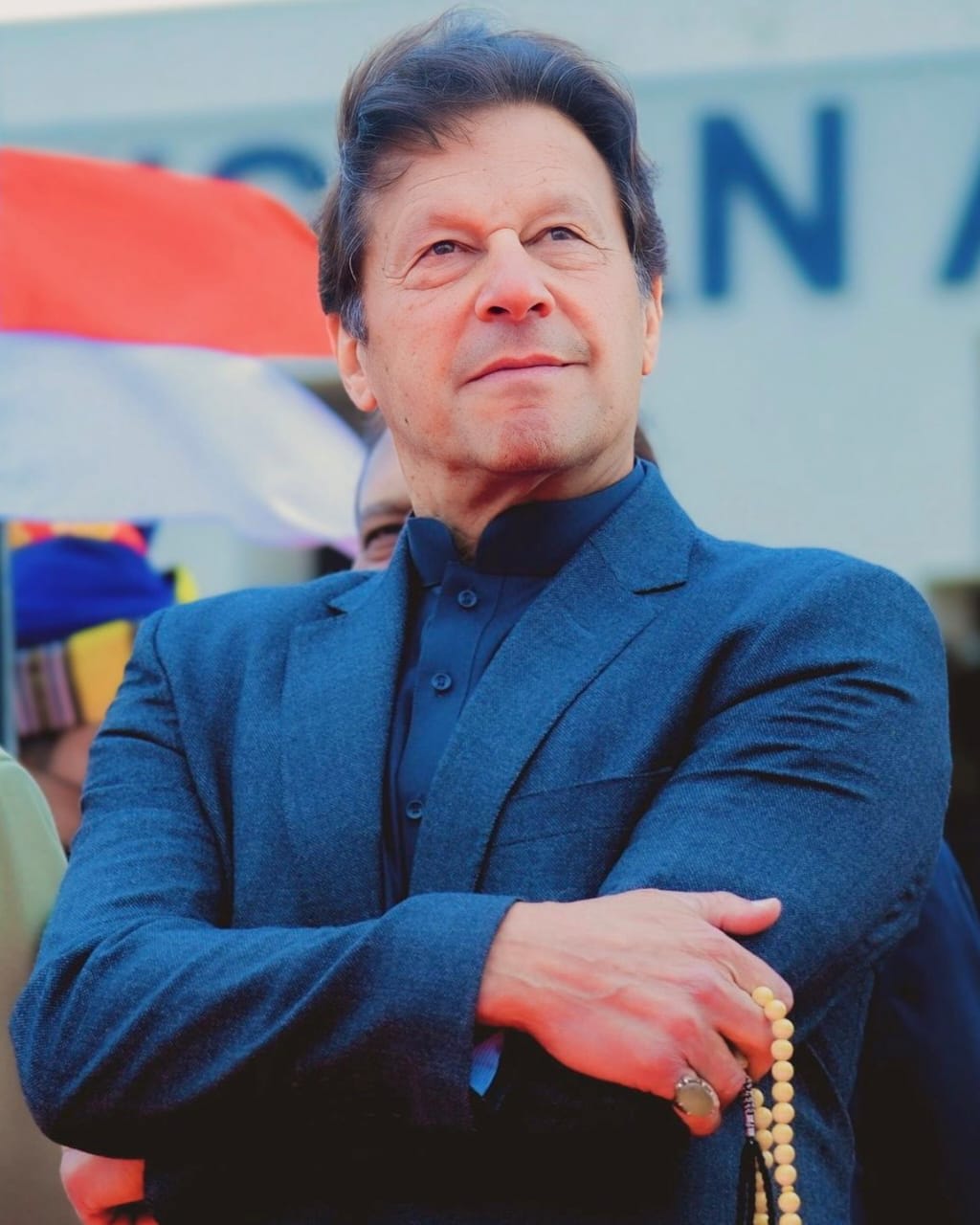
In the heart of Lahore, under the blazing sun of October 5, 1952, a child was born into a quiet but privileged household — a child who would one day become a household name across continents. His name was Imran Ahmed Khan Niazi, a boy who would chase dreams not just for himself but for a whole nation.
Imran Khan’s early life was steeped in tradition. He belonged to a Pashtun family, rooted in strong cultural values and discipline. His parents, Ikramullah Khan Niazi and Shaukat Khanum, raised him with both love and high expectations. As a young boy, Imran was shy, introspective, and often lost in thought. But beneath that quiet surface, there was a spark — a fierce passion for sports, especially cricket.
He was sent to the prestigious Aitchison College in Lahore, and later to Royal Grammar School in Worcester, UK. Eventually, he made his way to Keble College, Oxford, where he studied Philosophy, Politics, and Economics. But books weren’t the only thing on his mind. The cricket pitch was his true calling. While many saw him as just another overseas student playing sport, Khan was quietly sculpting himself into one of the greatest cricketers Pakistan would ever know.
By 1971, Imran made his test debut for the Pakistan national team. It wasn’t an easy start. He was talented but raw. Over the next few years, however, he worked tirelessly, training harder than anyone else, sharpening his pace, and mastering the art of fast bowling. He was a man obsessed — obsessed with excellence, with leading by example, and with proving that Pakistan could compete with the best in the world.
In 1982, he was appointed captain of the national team. It was a turning point. Imran wasn’t just a player anymore — he was a leader. With his charisma, discipline, and relentless drive, he inspired a generation. His crowning achievement came in 1992, when he led Pakistan to its first and only Cricket World Cup victory. It was more than a win — it was a story of belief, unity, and the power of self-confidence. The image of Imran Khan lifting the World Cup trophy in his signature white sweater has become etched into the soul of the nation.
But behind the shining lights and roaring crowds was a man who had experienced personal tragedy — a life-changing moment that would shape his next mission. In 1985, his beloved mother, Shaukat Khanum, passed away after a painful battle with cancer. Khan was devastated, but instead of drowning in grief, he transformed his pain into purpose.
Driven by a vow to make sure no one in Pakistan would have to suffer like his mother did, Imran launched one of the boldest projects in the country’s medical history — building Pakistan’s first-ever free cancer hospital. Critics scoffed. Funders hesitated. But Khan was unshaken. He toured cities and villages, personally collecting donations — from schoolchildren, laborers, businessmen, and even overseas Pakistanis. People were drawn not just to the cause, but to his sheer sincerity.
In 1994, after years of tireless effort, Shaukat Khanum Memorial Cancer Hospital & Research Centre opened its doors in Lahore. It was a moment of triumph — a symbol of what could be achieved when passion meets persistence. Today, the hospital stands as one of the most respected medical institutions in the country, treating thousands of cancer patients annually, regardless of their ability to pay.
Imran Khan’s story is not just one of cricketing glory or philanthropic milestones. It's about transformation. From a reserved child in Lahore to an Oxford-educated sportsman; from a global cricket hero to a man driven to heal others; his journey reminds us that greatness isn't just about talent — it's about the heart behind the action.
Though his name would later become synonymous with politics and controversy, the man before politics was someone who embodied discipline, compassion, and resilience. Whether you see him as a hero or a flawed figure, one truth remains: Imran Khan changed the face of Pakistani cricket and healthcare forever.
And perhaps, the most inspiring part? He did it all before stepping into the political arena.
---
About the Creator
Keep reading
More stories from Muhammad Adnan and writers in Motivation and other communities.
How to Manage Money When Income Is Irregular
Managing money is challenging for anyone, but it becomes especially difficult when your income is irregular. Freelancers, self-employed workers, gig workers, commission-based earners, creatives, and seasonal workers often face months of feast followed by months of famine. Without a fixed paycheck, traditional budgeting advice can feel unrealistic or even useless.
By Emma Adea day ago in Motivation



Comments (1)
Good job