
I Thought Automation Would Steal My Job — It Gave Me My Life Back
How a quiet shift in AI automation helped me rediscover peace, balance, and purpose.

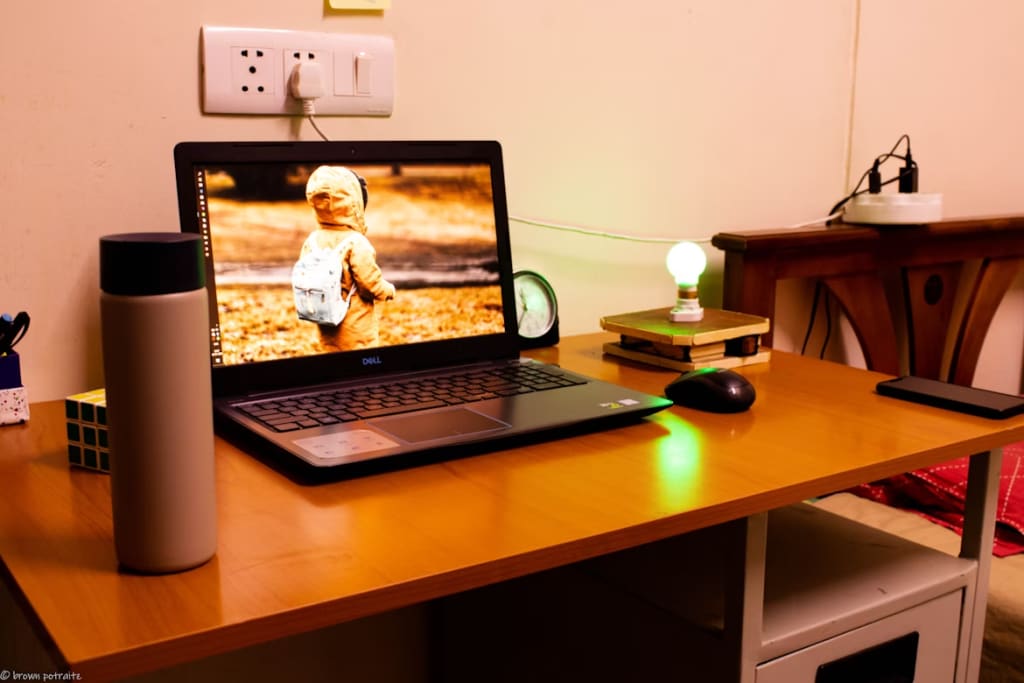
The light from my screen painted the room in a dull blue glow. Outside, the city had already begun to dim into soft golds and shadows, but my fingers were still typing.
I remember thinking, this can’t be what success looks like.
Emails, reports, dashboards — the rhythm of a life always “on.” I was the kind of person who measured worth in checkmarks and deadlines. But behind that quiet glow, I was burning out.
That’s what nobody tells you about productivity. It starts as discipline, then quietly becomes obsession.
The Weight of Always Doing
My days blurred into each other. Mornings bled into nights. I told myself I was working toward freedom, but all I’d done was build a digital cage.
I worked in tech, surrounded by automation — systems that ran smoother than I did. Ironically, I trusted machines to manage entire infrastructures, but I couldn’t trust them to handle a single task of mine. I needed control.
Every report, every alert, every line of output — I reviewed it manually. It was my strange way of feeling safe, of staying “useful.”
But there’s a kind of exhaustion that doesn’t come from work itself — it comes from never stopping.
One night, I caught my reflection on the darkened screen. My shoulders hunched, my eyes half-alive. I looked less like a person and more like a process that never shut down.
That was the moment I knew something had to change.
The Small Beginning
It started, like most things, almost accidentally.
I was too tired to write my QA report one night, so I tried something I’d avoided for months — I asked ChatGPT to summarize my logs.
In seconds, the summary appeared — clear, structured, effortless.
For the first time, my screen felt like a partner instead of a mirror reflecting my burnout.
I reread that report three times, looking for errors, waiting for disappointment. But it was right. Perfectly right.
I didn’t know whether to feel impressed or guilty.
Could it really be that simple? Could I let go — even a little?
That night, I built my first automation: a small script that generated the report every evening at six.
No fancy integrations. No grand strategy. Just one act of surrender.
And when 6:00 p.m. came, the report arrived — clean, complete, and entirely without me.
I stared at it for a long time. Then, slowly, I closed my laptop.
The silence that followed was… strange. Unfamiliar.
But then, as the seconds stretched, I realized — it wasn’t emptiness. It was space.
Learning to Trust the Quiet
At first, I didn’t know what to do with the time I’d reclaimed.
I kept pacing, checking my phone, opening tabs that didn’t matter.
Productivity had been my comfort zone — idleness felt wrong.
So I made tea. I watched the steam rise and fade. I stepped out onto the balcony and watched the city exhale.
For the first time in months, I wasn’t thinking about what came next.
And that stillness — that quiet — felt revolutionary.
I started automating other things: report summaries, calendar updates, test triggers. Not because I wanted to “save time,” but because I wanted to feel time again.
Automation didn’t steal my control. It gave me permission to stop holding everything.
It wasn’t about making life faster. It was about making space for life itself.

The Real Transformation
There’s this moment after the sun sets when the world slows — when the hum of everything fades into a low, comforting silence. That’s where I live now.
My laptop still hums in the corner some evenings, quietly working — sending summaries, cleaning data, closing loops. But I’m not there anymore.
I’m cooking dinner.
Reading something that has nothing to do with metrics.
Breathing.
I used to think automation was cold — mechanical, emotionless. But I’ve learned it can be gentle too.
It can create stillness. It can give us back our humanity, one small workflow at a time.
Because the truth is, I didn’t just automate a task.
I automated my guilt — the guilt of not doing enough, not being enough.
Now, my definition of productivity has changed.
It’s not about finishing earlier or working smarter.
It’s about creating room — for joy, for stillness, for self.
Automation gave me back my evenings, yes.
But more than that — it gave me back me.
Reflection
When I look back, I realize the change wasn’t technological at all — it was emotional.
I stopped needing to be the center of every process.
I stopped mistaking busyness for purpose.
Maybe productivity was never about doing more.
Maybe it’s about learning when to stop.
Because sometimes the most powerful automation isn’t the one that runs your code —
it’s the one that lets you breathe again.
Thanks for reading!
I write about AI, automation, and mindful productivity — how technology can help us slow down, not speed up.
💡 Follow me on Vocal for more reflective stories about balance, creativity, and the human side of automation.
About the Creator
Erick Galaviz
✍️ Writer exploring the calm side of technology.
I write about AI, automation, and the art of slowing down — stories that blend reflection, balance, and the human touch behind productivity. 🌙
Keep reading
More stories from Erick Galaviz and writers in Motivation and other communities.
The Evening I Finally Logged Out — and Let AI Keep Working
The sun had already slipped behind the buildings, painting the sky in soft orange light that barely reached my window. My laptop screen glowed like a small moon — a reminder that once again, I was still at work while the rest of the world was winding down.
By Erick Galaviz4 months ago in Motivation
Delivering Service That Customers Remember Long After the Purchase
Customer service plays a critical role in shaping how people view a brand. Products and prices may attract customers at first, but the quality of service often determines whether they return. In a competitive market where customers have endless options, businesses must go further than simply solving problems. They must create experiences that customers remember and appreciate.
By Apex Service Partners5 days ago in Motivation




Comments (2)
It’s strange — I feared losing relevance, but found freedom instead. Has anyone else gone from resisting automation to realizing it was never the enemy?
I read this twice and still found new meaning each time . But the main thing is start from small and consistency