
How to Read Body Language to Make More Money.
Introduction Want to know what people are really thinking? Their body language can tell you! By learning to read gestures, you can improve your communication, build better relationships, and even make more money. Let’s break it down into simple steps.

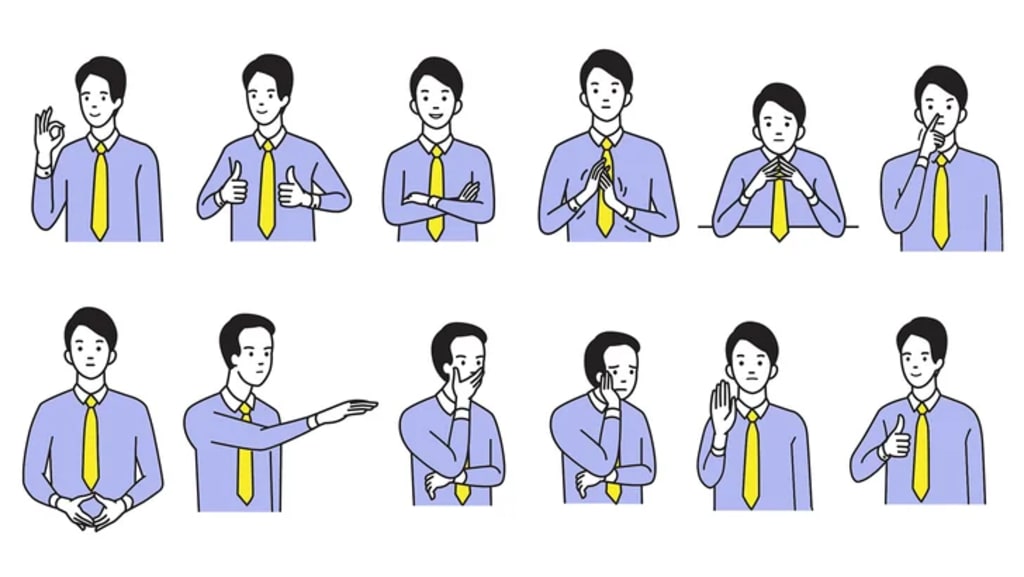
Why Body Language Matters
Over 50% of communication is nonverbal. This means gestures, facial expressions, and posture say more than words. For example:
A nervous person might fidget or lock their ankles.
A confident person stands tall and makes eye contact.
A defensive person crosses their arms or clenches their fists.
By noticing these cues, you can respond better in conversations, negotiations, or meetings.
Easy Gestures to Watch For
Openness:
Open hands: They’re being honest.
Unbuttoned coat: They’re relaxed and open to ideas.
Leaning forward: They’re interested.
When you see these, it’s a good time to ask for what you want.
Defensiveness:
Crossed arms: They’re closed off or upset.
Clenched fists: They’re tense or angry.
Avoiding eye contact: They’re uncomfortable.
If you notice these, try to calm them down or change the topic.
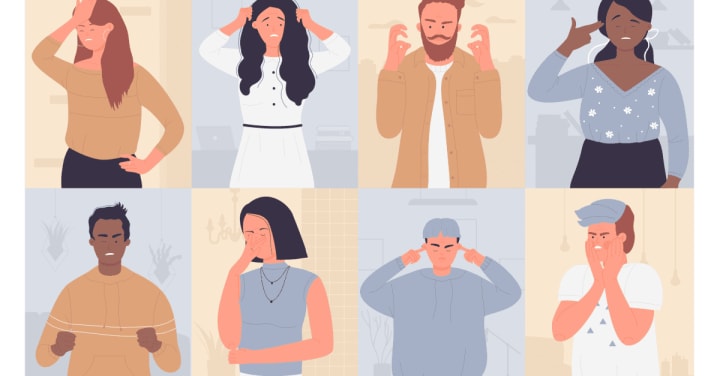
Thinking or Doubting:
Stroking chin: They’re thinking hard.
Narrowed eyes: They’re unsure or suspicious.
Tilting head: They’re curious.
If they’re thinking, give them more information. If they’re doubtful, build trust.

How to Use This to Make Money
In Sales: Watch for signs of interest (nodding, leaning forward). If they seem bored (looking away, crossed arms), change your approach.
In Negotiations: If they’re open (relaxed, smiling), push for a better deal. If they’re defensive (crossed arms, tense), ease up.
In Networking: Use open gestures (smile, uncrossed arms) to seem friendly. Notice who’s open to talking and who’s not.
As a Leader: Watch your team’s body language. If someone looks stressed (crossed arms, frown), check in with them.
Quick Tips to Get Started
Practice Daily: Spend 5–10 minutes watching people’s gestures in public places.
Look for Patterns: Don’t focus on one gesture. Look for groups of gestures to understand their mood.
Match Your Body Language: If you want trust, use open gestures and eye contact.
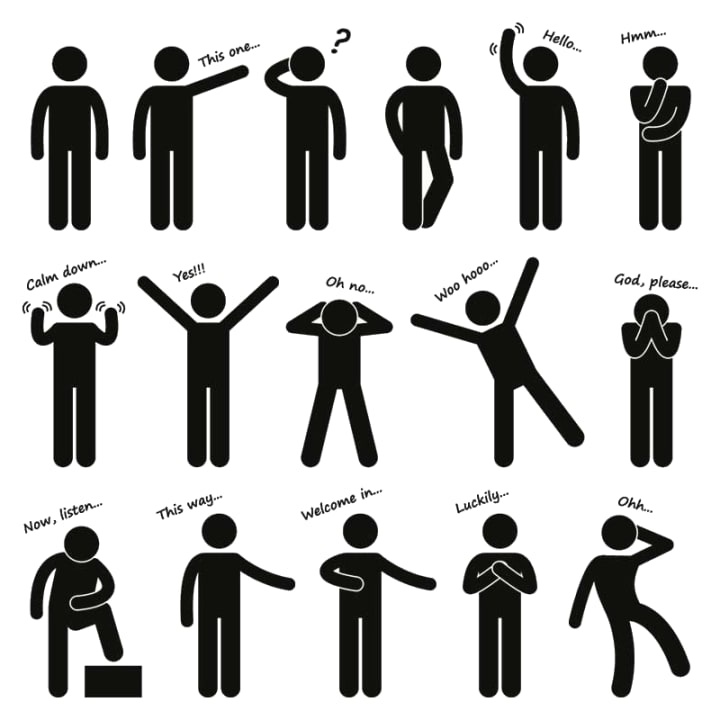
Conclusion
Reading body language is a simple but powerful skill. It helps you connect with others, close deals, and lead better. Start practicing today, and you’ll see the difference in your personal and professional life.
Call to Action
Found this helpful? Share it with your friends and start using these tips today! For more easy advice on communication and success, follow us and join our community.
Why Body Language Matters
Over 50% of communication is nonverbal. This means gestures, facial expressions, and posture say more than words. For example:
A nervous person might fidget or lock their ankles.
A confident person stands tall and makes eye contact.
A defensive person crosses their arms or clenches their fists.
By noticing these cues, you can respond better in conversations, negotiations, or meetings.
Easy Gestures to Watch For
Openness:
Open hands: They’re being honest.
Unbuttoned coat: They’re relaxed and open to ideas.
Leaning forward: They’re interested.
When you see these, it’s a good time to ask for what you want.
Defensiveness:
Crossed arms: They’re closed off or upset.
Clenched fists: They’re tense or angry.
Avoiding eye contact: They’re uncomfortable.
If you notice these, try to calm them down or change the topic.
Thinking or Doubting:
Stroking chin: They’re thinking hard.
Narrowed eyes: They’re unsure or suspicious.
Tilting head: They’re curious.
If they’re thinking, give them more information. If they’re doubtful, build trust.
How to Use This to Make Money
In Sales: Watch for signs of interest (nodding, leaning forward). If they seem bored (looking away, crossed arms), change your approach.
In Negotiations: If they’re open (relaxed, smiling), push for a better deal. If they’re defensive (crossed arms, tense), ease up.
In Networking: Use open gestures (smile, uncrossed arms) to seem friendly. Notice who’s open to talking and who’s not.
As a Leader: Watch your team’s body language. If someone looks stressed (crossed arms, frown), check in with them.
Quick Tips to Get Started
Practice Daily: Spend 5–10 minutes watching people’s gestures in public places.
Look for Patterns: Don’t focus on one gesture. Look for groups of gestures to understand their mood.
Match Your Body Language: If you want trust, use open gestures and eye contact.
Conclusion
Reading body language is a simple but powerful skill. It helps you connect with others, close deals, and lead better. Start practicing today, and you’ll see the difference in your personal and professional life.
Call to Action
Found this helpful? Share it with your friends and start using these tips today! For more easy advice on communication and success, follow us and join our community.
About the Creator
Keep reading
More stories from Muhammad Ishar and writers in Motivation and other communities.
Her Majesty The King
CHAPTER I. He that repenteth too late may some time worry too soon.—The Kâtâmarana. King Max, a kind and gentle ruler, sat beneath the grand silk canopy of his palace, feeling the weight of the world pressing on his shoulders. His kingdom of Ubikwi was peaceful, his people content, but today, a heavy cloud loomed over his heart. King Max, though wise and brave, had always been a man of peace, preferring the quiet comforts of home and the simple joys of family life. Yet, even the gentlest hearts may falter when their peace is disturbed.
By Muhammad Ishar10 months ago in Chapters
“He Kept Going When No One Was Watching — And That Changed Everything”
No one ever noticed the days he almost gave up. There were no messages asking if he was okay. No one wondered why he became quieter. No one asked how much effort it took just to keep going. To the world, he was just another ordinary man. His name was Ayaan. Ayaan’s life didn’t collapse in one dramatic moment. It slowly faded. Missed opportunities. Rejected ideas. Silent disappointments. Every failure was small, but together they became heavy. He had dreams once. Big ones. Dreams that kept him awake at night, imagining a future where his hard work would finally matter. But over time, those dreams began to feel unrealistic—almost embarrassing. People around him seemed to move forward effortlessly. They celebrated promotions, achievements, and milestones. Ayaan watched from the side, smiling politely while feeling invisible. At work, his efforts were ignored. Among friends, his voice faded. At home, expectations weighed heavily on him. Slowly, a dangerous thought settled into his mind: “Maybe I’m not good enough.” That thought followed him everywhere. It followed him on crowded buses. It followed him into sleepless nights. It followed him every time he tried again and failed. One night, after scrolling through endless success stories online, Ayaan closed his phone and stared at the dark ceiling. His chest felt tight, not because of pain—but because of exhaustion. He whispered quietly, “How long do I keep trying?” There was no answer. But that night, Ayaan made a decision—not a loud one, not a confident one. A tired decision. He decided to keep going, even if nothing changed. The next morning felt the same. The same routine. The same doubts. The same fear of wasting his life. But Ayaan showed up anyway. He worked when no one praised him. He studied when no one guided him. He practiced when no one believed in him. Some days, motivation disappeared completely. On those days, discipline took over. He reminded himself: “I don’t need applause. I need progress.” Weeks passed. Nothing dramatic happened. No sudden success. No recognition. No miracle. But something subtle began to shift. Ayaan became calmer under pressure. He learned to sit with discomfort instead of running from it. He stopped comparing his journey to others. The silence that once scared him now became his training ground. Months later, a serious problem appeared at his workplace. It was complicated, risky, and easy to blame on someone else. Most people avoided it. Some pretended it wasn’t their responsibility. Ayaan didn’t announce himself. He didn’t seek attention. He simply started working. Late nights. Mistakes. Corrections. Learning. There were moments he wanted to quit. Moments when fear whispered, “You’re not ready.” But he answered back, “I’ll learn.” Slowly, the problem began to disappear. Not perfectly—but steadily. People noticed, quietly. One afternoon, his manager called him into the office. Ayaan expected criticism. Instead, he heard a question that stunned him: “Where did you learn all this?” Ayaan paused. How could he explain years of silent effort? How could he explain working when no one cared? He simply replied, “I kept going.” That moment didn’t change his life overnight. He didn’t become famous. He didn’t suddenly become successful. But it changed something far more important. His belief in himself. For the first time, Ayaan understood that life doesn’t always reward effort immediately. Sometimes, it watches. It watches who continues without praise. Who improves without recognition. Who grows in silence. Years later, Ayaan looked back at the version of himself who almost quit. The man who felt invisible. The man who thought no one was watching. And he smiled. Because he finally understood the truth: Life was always watching. Not to judge. Not to rush. But to see if he would keep going when it was hardest. The world doesn’t reward those who only work when they’re seen. It rewards those who build strength in silence. And sometimes, the moment that changes everything doesn’t come with applause. It comes quietly. After patience. After effort. After consistency. That is when everything finally begins to change. Final Message Keep going—even when no one is watching. Especially then.
By Inayat khan4 days ago in Motivation




Comments
There are no comments for this story
Be the first to respond and start the conversation.