
How to Break Bad Habits Without Burning Out
How to Break Bad Habits Without Burning Out

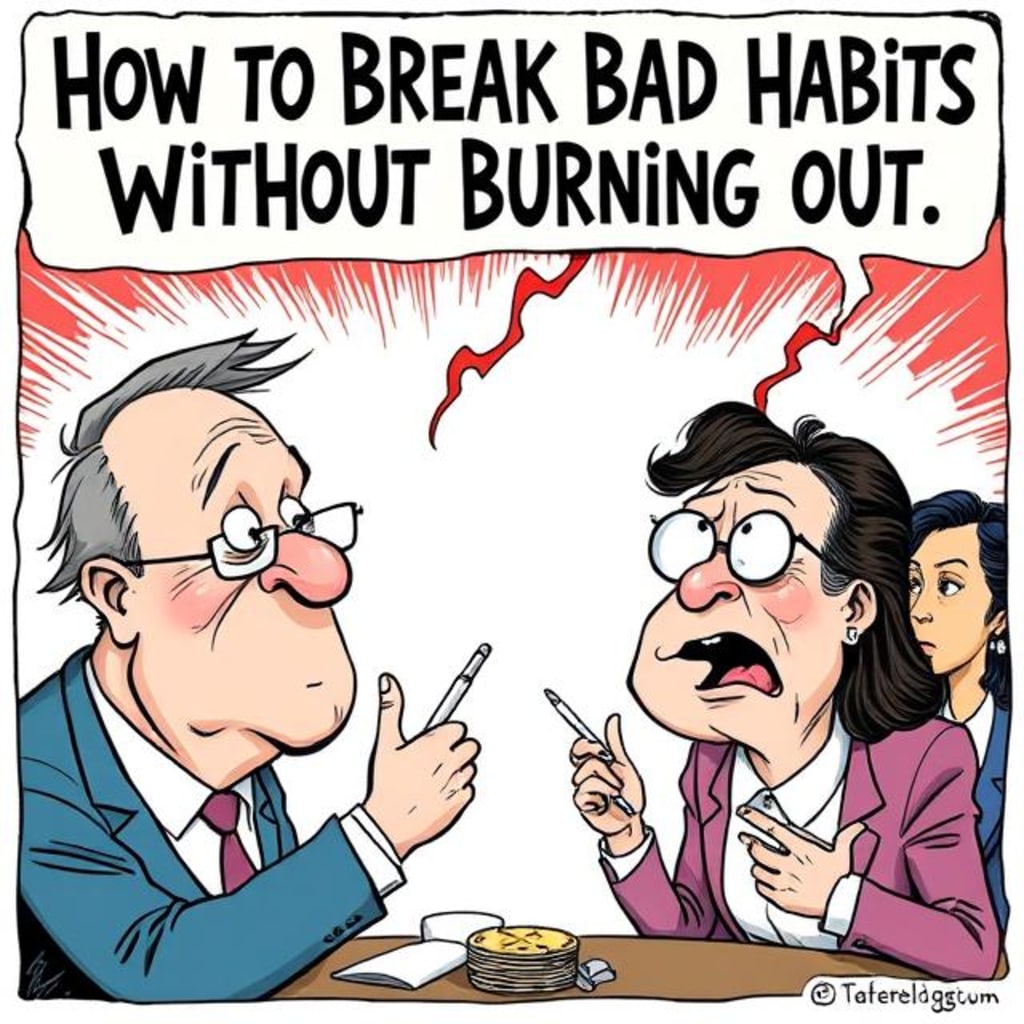
We all have habits we'd rather live without doom scrolling, late-night snacking, skipping workouts, or hitting snooze one too many times. Yet breaking bad habits often feels like a battle of willpower, one that leaves us mentally drained and discouraged. The good news? You don't need to overhaul your life overnight or exhaust yourself with drastic measures. In fact, the key to lasting change is learning how to break bad habits without burning out.
Here’s how to do just that.
1. Start With Awareness, Not Judgment
The first step is often the most overlooked: awareness. You can’t change what you’re not aware of.
Instead of beating yourself up for that daily energy drink or Instagram binge, observe the habit without judgment. Ask yourself:
When does this happen?
What triggers it stress, boredom, fatigue?
What need is the habit trying to meet?
This approach shifts your mindset from self-criticism to curiosity, which is far more sustainable for long-term change.
2. Replace, Don’t Just Remove
Your brain forms habits because they serve a purpose even the "bad" ones. Trying to eliminate a habit without replacing it creates a vacuum, which often gets filled with the same behavior.
Instead of just “stop eating junk food,” try:
“When I crave chips after work, I’ll have a small bowl of almonds and a glass of water.”
The goal isn’t perfection—it’s to redirect the habit loop (cue → craving → response → reward) toward a better alternative.
3. Lower the Activation Barrier
Willpower is limited. The harder something is to do, the less likely we’ll do it when we’re tired or stressed.
Want to stop checking your phone first thing in the morning? Put it in another room and use a real alarm clock.
Trying to cut back on late-night snacking? Keep tempting snacks out of sight, and stock the fridge with healthy options.
On the flip side, make better habits easier to access. Set out workout clothes the night before. Pre-fill a water bottle. Prepare healthy meals in batches. Make success convenient.
4. Use the “Two-Minute Rule”
The idea here is simple: if a habit change feels overwhelming, start with a version that takes two minutes or less.
Instead of committing to an hour of exercise, start with two minutes of stretching.
Instead of writing a full journal entry, jot down one sentence.
The two-minute version lowers resistance and builds momentum. Once you begin, you're more likely to keep going. More importantly, it builds consistency, which is the real engine of habit change.
5. Track Progress, Not Perfection
Change doesn’t follow a straight line. You’ll slip up. You’ll have setbacks. That’s normal.
What matters is not whether you fall off track, but how quickly you return to it.
Use a habit tracker, app, or journal to reflect—not as a tool to shame yourself, but to notice patterns and celebrate small wins. Did you resist the impulse once today? That’s progress. Recognizing effort reinforces motivation.
6. Be Patient—and Kind to Yourself
Habits take time to unwind. Research shows that depending on the habit, it can take anywhere from 21 to 66 days (or more) to form a new one. That doesn’t mean you have to be perfect for two months it means that consistency, not intensity, drives real change.
Burnout comes from trying to do too much, too fast. It also comes from unrealistic expectations. The truth is, identity-based change is more effective. Instead of saying “I’m trying to stop being lazy,” say, “I’m becoming someone who takes care of their body.” One small action at a time.
Final Thoughts
Breaking bad habits isn’t about willpower or self-denial, it’s about creating systems that support the person you want to become. When you shift from an all-or-nothing mindset to a sustainable, self-compassionate approach, you not only avoid burnout you make room for real, lasting transformation.
So take a breath. Start small. Stay curious. And remember: every step forward counts, even the tiny ones.
About the Creator
Fred Bradford
Philosophy, for me, is not just an intellectual pursuit but a way to continuously grow, question, and connect with others on a deeper level. By reflecting on ideas we challenge how we see the world and our place in it.
Keep reading
More stories from Fred Bradford and writers in Motivation and other communities.
How to Break the Planning Trap and Actually Get Things Done
We create detailed to-do lists, build vision boards, map out quarterly goals, and feel productive just by outlining intentions. While planning is valuable, it becomes a trap when we confuse it with meaningful action. You’ve probably experienced it: spending hours plotting a project, only to realize weeks later that nothing has moved forward. Why does this happen?
By Fred Bradford8 months ago in Motivation
Where's the Glory?
In breaking news, rehabilitated Republican Senator Johnnie Johnson (Pronouns: HE, HIM, HIS) called a press conference from the Men’s room of the New Orleans Louis Armstrong International Airport, Concourse B, across from the Ignatius Reilly’s Lucky Dog stand. The Senator had just returned from a sexual reorientation rehabilitation program in Memphis, TN after being publically disgraced at a Buckee’s Truckstop restroom soliciting sex from an undercover cop three months ago. He is a founding member of the Reformed Christians for Christ, a conservative, pro-family and ex-gay advocacy group. In the spirit of being reborn, Senator Johnson invited reporters to marvel at his plans for a major remodeling of airport bathrooms.
By Cathy Schieffelin6 days ago in Humor


Comments
There are no comments for this story
Be the first to respond and start the conversation.