
How Childhood Experiences Shape Mental Health & Boundaries
Understanding the Role of Early Experiences in Emotional Regulation, Resilience, and Adult Relationships

Exploring how our childhood shapes our mental health is fascinating. Early life events deeply affect our emotional and psychological growth. They influence how we interact with the world and define ourselves.
In this article, we’ll look at how our brains develop and how we form emotional memories. We’ll see how these early experiences shape our personalities. We’ll also discuss how our relationships with parents help us manage emotions and build trust.
Furthermore, we’ll examine how trauma and family dynamics impact our self-worth and personal boundaries. Understanding these connections can help us overcome past hurts and grow emotionally. Join me as we explore how our childhood influences our mental health and boundaries.
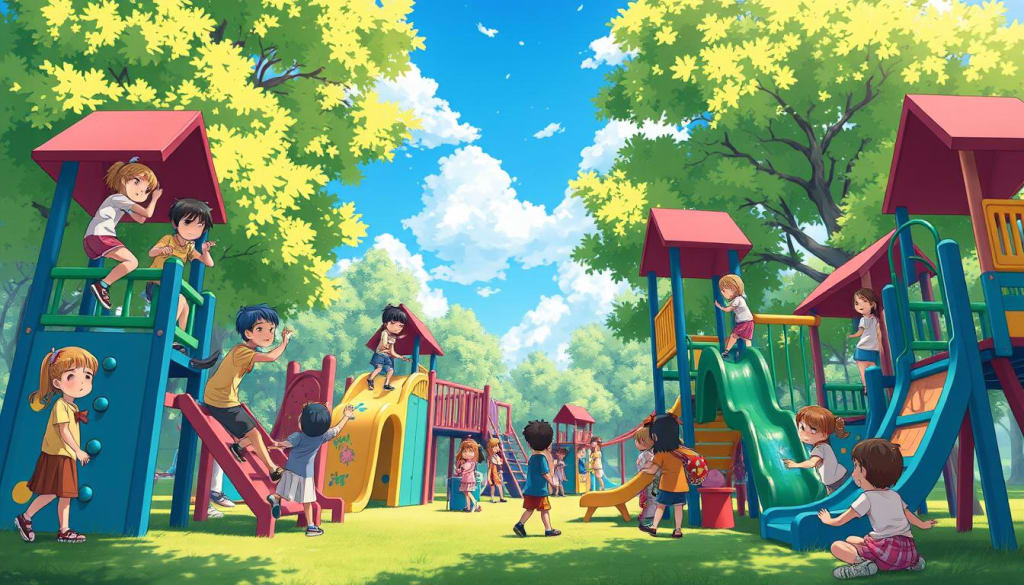
An animated playground with several children playing on slides and climbing structures under a bright blue sky and green trees.
A vibrant playground scene filled with children enjoying a sunny day, climbing, sliding, and playing together amidst lush greenery.
Key Takeaways
Childhood experiences profoundly impact psychological development, emotional regulation, and personal boundary formation.
Critical periods of neural development and emotional memory formation lay the foundation for our personality structure.
Parent-child relationships play a crucial role in shaping our ability to build trust, express emotions, and regulate our feelings.
Trauma and family dynamics can influence our sense of self-worth and the boundaries we establish in adulthood.
Understanding these connections can help us break free from generational patterns and develop greater emotional resilience.
Understanding the Impact of Early Life Events on Psychological Development
Our childhood shapes our mental health and well-being. It’s a time of rapid brain growth and emotional memory formation. These early experiences deeply affect our personality.
The Critical Period of Neural Development
In early life, the brain grows fast and changes a lot. This is called neural plasticity. It’s when our brain starts to connect and strengthen, setting the stage for our skills.
What happens during this time shapes our brain’s structure. It impacts how we handle emotions, remember things, and connect with others.
Emotional Memory Formation in Childhood
Childhood is also key for forming emotional memories. Both good and bad experiences are stored deeply in our emotional memory. These memories shape how we see the world and interact with it.
Long-term Effects on Personality Structure
The mix of brain growth and emotional memory in childhood affects our personality. Our reactions to life are often based on early patterns. Knowing how early life shapes us helps us understand ourselves better.
“The first few years of life are a critical window for brain development, laying the foundation for a child’s future cognitive, emotional, and social skills.”
Developmental Aspect Impact of Early Life Events Neural Plasticity Shapes the architecture of the brain, influencing cognitive and emotional regulation Emotional Memory Deeply encodes experiences, affecting perceptions, behaviors, and interpersonal dynamics Personality Structure Establishes patterns of thought and response that can persist into adulthood
Mental health, OCD, Childhood experiences, Boundaries, Confidence, Inauthenticity
Exploring mental health shows how childhood shapes our well-being, especially with OCD. Our early years define our boundaries, confidence, and authenticity. These are crucial for our mental health.
Understanding the link between mental health and childhood is key. It helps us overcome past challenges and live authentically. This journey is empowering and liberating.
Early life events shape our self-worth, boundary setting, and authenticity. These factors deeply influence mental health conditions like OCD.
Childhood Experiences and the Roots of OCD
Research points to childhood as a time when OCD starts. Trauma, parental pressure, and caregiver relationships play a role. These factors can lead to OCD thoughts and behaviors.
Those who faced trauma or strict environments may seek order. This can turn into obsessive thoughts and compulsive actions. These are ways to cope with anxiety and control.
Childhood shapes our personal boundaries and ability to express needs.
Unmet emotional needs or insecure attachment can lead to OCD and feeling fake.
Our quest for self-esteem and identity is influenced by childhood and family.
By grasping the connection between OCD and childhood, we can understand our mental health better. This knowledge starts us on a path of authentic living.
The Role of Parent-Child Relationships in Emotional Regulation
Childhood experiences deeply affect our mental health and personal boundaries. The parent-child relationship is key. It shapes our emotional intelligence and how we interact with others.
Attachment Styles and Their Lasting Impact
Attachment styles from early years deeply influence our emotional health. Secure attachment builds trust and self-worth, lasting into adulthood. Insecure styles, like avoidant or anxious-ambivalent, can cause trust issues and emotional struggles.
Learning Emotional Expression from Caregivers
Children learn emotions by watching their caregivers. Parents who manage emotions well help their kids develop emotional intelligence. But, if parents struggle with emotions, they might teach unhealthy ways to cope.
Building Trust and Security Foundations
The parent-child bond lays the groundwork for future relationships and emotional challenges. Feeling safe and respected helps kids develop self-worth and set healthy boundaries. Without trust, forming meaningful connections and setting boundaries can be hard.
Parenting Style Impact on Emotional Regulation Attachment Style Authoritative Fosters emotional intelligence and self-regulation Secure attachment Authoritarian Can lead to difficulties in emotional expression and control Avoidant or anxious-ambivalent attachment Permissive May result in challenges in setting boundaries and impulse control Anxious-ambivalent attachment Neglectful Increases the risk of emotional dysregulation and trust issues Disorganized attachment
Understanding the parent-child relationship’s role in emotional regulation is key. It shows how early experiences shape our mental health. Recognizing this helps us see how to build secure attachment and emotional intelligence.
Trauma’s Influence on Personal Boundary Formation
Childhood trauma, like emotional, physical, or sexual abuse, deeply affects how we form personal boundaries. It shatters our sense of security and trust. This makes it hard to set and keep healthy boundaries in our relationships.
Childhood trauma can cause PTSD, anxiety, and trouble managing our emotions. These issues can make us too open or too closed off in our boundaries. We might struggle to say “no” or connect deeply with others.
Disrupted Emotional Regulation: Trauma messes with our ability to handle our emotions. This makes setting clear boundaries tough.
Distorted Self-Perception: Trauma can make us see ourselves in a wrong way. This makes it hard to know our own needs and boundaries.
Difficulty Trusting Others: Trauma often makes us not trust others. This makes it hard to open up and connect in a healthy way.
But, healing from childhood trauma and setting healthy boundaries is possible. Self-reflection, therapy, and building emotional resilience help. With these, we can learn to understand and set our boundaries better.
“The journey of healing from childhood trauma is not easy. But it’s a necessary and transformative process. By reclaiming our boundaries, we reclaim our power and our ability to live authentically.”
A deserted playground featuring a single swing and numerous scattered toys on the ground. In the background, dark shadows of figures create a haunting presence against a gloomy sky.
An eerie playground scene where shadows loom ominously over scattered toys, creating a stark contrast between childhood innocence and an unsettling atmosphere.
Characteristic Impact on Boundary Formation Childhood Trauma Disrupts emotional regulation, distorts self-perception, and breeds difficulty trusting others. PTSD Can lead to hypervigilance, avoidance, and difficulty connecting with others, impacting boundary establishment. Boundary Issues May manifest as difficulty saying “no,” being overly permeable or rigid in boundaries, and struggling to form meaningful relationships. Emotional Resilience Developing emotional resilience through self-reflection, therapy, and healthy coping mechanisms can aid in healing and boundary formation.
Understanding how childhood trauma affects our personal boundaries is key. We can then take steps to heal and grow. This helps us establish the healthy boundaries we need for our emotional wellbeing and fulfilling relationships.
How Family Dynamics Shape Self-Worth and Identity
Our family systems are key in shaping our self-worth and identity. Sibling relationships and parental expectations deeply influence our growth and sense of self. These dynamics can profoundly shape who we become.
Sibling Relationships and Personal Growth
Sibling bonds can either boost or harm our self-esteem. Healthy rivalries can drive personal growth, but unresolved conflicts can cause lasting insecurities. It’s vital to learn how to navigate these complex relationships for a strong sense of self.
Parental Expectations and Self-Image
How our parents see and interact with us greatly affects our self-image. Unrealistic expectations or constant criticism can hurt our confidence. On the other hand, unconditional love and acceptance can help build a healthy self-worth. Finding a balance between guidance and acceptance is crucial for our children’s self-esteem.
Cultural Influences Within the Family Unit
Cultural traditions and values within our families also shape our identity. These influences can empower or limit our sense of self. It’s a delicate balance to navigate between family and cultural identity, requiring self-awareness and a challenge to outdated beliefs.
Our family dynamics are essential in shaping our self-worth and identity. By understanding sibling relationships, parental expectations, and cultural influences, we can break free from generational patterns. This allows us to develop a deeper sense of self-acceptance and personal empowerment.
Breaking Generational Patterns and Healing Childhood Wounds
Overcoming childhood experiences can be tough but rewarding. It takes a mix of therapy and personal growth to heal. This journey helps us break free from past traumas.
We are not stuck in our past. Our early life shapes us, but we can change our stories. By looking back and facing our past, we can start growing and healing.
Understanding our family’s impact on us is key. Looking at sibling relationships, parental expectations, and cultural norms helps us see how they shaped us. This insight helps us break free from bad patterns and start healing.
Therapy plays a big role in healing. It offers support and tools to deal with trauma. With the right help, we can learn to cope better and set healthy boundaries.
“Healing is not linear, but a spiral process. It’s about showing up for yourself, again and again, with compassion and courage.”
Healing is a personal journey that takes time and courage. By starting this journey, we can take back our power. We can build better relationships and live a more authentic life.
Therapeutic Approaches Benefits Individual Counseling Provides personalized support and guidance for addressing childhood wounds and developing coping strategies. Family Therapy Facilitates understanding and healing within the family unit, addressing systemic patterns and fostering healthier dynamics. Trauma-Informed Interventions Employs specialized techniques to help individuals process and integrate traumatic experiences, promoting long-term emotional well-being.
The Connection Between Early Social Experiences and Adult Relationships
Our childhood shapes our adult relationships. We learn social skills and how to handle peer relationships and conflict resolution. These early lessons help us set interpersonal boundaries and maintain emotional well-being.
Peer Interactions and Social Skill Development
As kids, we learn social dynamics through peers. School and group activities teach us communication, empathy, and compromise. These skills are crucial for our future relationships.
School Environment Impact on Social Boundaries
The school environment shapes our interpersonal boundaries. It teaches us about personal space and peer relationships. Schools have rules and social hierarchies that guide our behavior.
Learning to Navigate Friendships and Conflicts
Childhood friendships teach us about relationships. We learn to communicate, compromise, and solve conflicts. These lessons are key for healthy adult relationships.
Understanding our early social experiences helps us see how they shape our adult lives. It shows how these experiences influence our interpersonal boundaries, social skills, and peer relationships. Recognizing these influences can help us build deeper connections.
Environmental Factors That Shape Emotional Resilience
Building emotional resilience in kids is key. It helps them deal with life’s ups and downs. While some might naturally be more resilient, the environment is crucial. Let’s look at how different factors can help or hurt emotional resilience.
Adverse Childhood Experiences
Exposure to tough times in childhood, like abuse or neglect, deeply affects a child’s emotional growth. These adverse childhood experiences can make it hard for kids to feel safe and trust others. This makes it tough for them to handle stress and tough times.
Protective Factors
Supportive family relationships: A loving and stable home gives kids a sense of safety and belonging. This is key for resilience building.
Access to community resources: Being part of supportive groups, having mentors, or using social services helps kids face challenges better.
Positive school climate: A school that feels like home, teaches social-emotional skills, and fights bullying helps kids build emotional resilience.
Developing Coping Strategies
Teaching kids healthy ways to cope, like managing emotions and solving problems, helps them deal with hard times. Encouraging these skills is a powerful way to build resilience.
Risk Factors Protective Factors
Adverse childhood experiences
Unstable home environment
Lack of community support
Negative school climate
Supportive family relationships
Access to community resources
Positive school climate
Developed coping mechanisms
Knowing how the environment shapes emotional resilience helps us create better places for kids to grow. By focusing on resilience building, we can help kids face challenges head-on. This has a big impact on their mental health and overall happiness.
A picturesque scene of a bright landscape with a large tree at the center, surrounded by colorful flowers and rocky ground. Two deer are visible, positioned among the rocks, with towering mountains in the background and soft sunlight illuminating the scene.
A serene mountain landscape bathed in sunlight, featuring gentle deer grazing near a vibrant tree among colorful wildflowers and rocky terrain.
“Resilience is not something that you just have. It’s something that you have to develop, and it’s something that you can cultivate.”
- Sheryl Sandberg
Developing Healthy Boundaries Through Self-Awareness
Self-awareness is key to setting healthy boundaries. Knowing our limits, needs, and values helps us share them clearly. This self-discovery is vital for being assertive, building strong relationships, and growing personally.
Recognizing Personal Limits and Needs
First, we must know our own boundaries. This means looking inside to find our physical, emotional, and mental limits. Knowing what we’re okay with helps us speak up for ourselves confidently.
Communication Skills for Boundary Setting
Good communication is essential for setting and keeping boundaries. It’s about saying “no” without feeling bad, sharing our needs clearly, and being open to compromise. These skills help us stand up for ourselves and build respectful relationships.
Maintaining Boundaries in Different Contexts
Boundaries vary by situation, like at work, with friends, in love, or with family. It’s important to adjust them as our needs change. This flexibility is key to our long-term happiness.
Boundary Type Examples Strategies for Maintenance Physical Personal space, privacy, physical touch Communicate preferences, set physical boundaries, respect others’ boundaries Emotional Sharing feelings, vulnerability, emotional support Identify emotional needs, express feelings, set emotional limits Time and Energy Workload, leisure activities, social commitments Prioritize self-care, learn to say no, manage time and energy effectively
By growing in self-awareness, improving our communication, and adjusting our boundaries, we lay a strong foundation. This supports healthy relationships, personal growth, and true assertiveness. This path empowers us to live more fully and authentically.
Conclusion
Reflecting on our childhood shows how it shapes our mental health and personal boundaries. This understanding is key to growing and healing. Our early years influence our emotional strength, self-worth, and how we handle relationships.
By seeing the patterns and generational impacts on us, we start to break free. This journey of self-discovery and setting boundaries is crucial. It helps us grow mentally, personally, and find healing.
You are the writer of your life story. By using your inner strength, you can face past challenges and build a better future. This future is based on self-acceptance, strong boundaries, and knowing your true value. Start this journey and discover the endless potential inside you.
FAQ
How do childhood experiences shape mental health and personal boundaries?
Childhood experiences deeply affect our mental health and personal boundaries. The early years of brain development and emotional memory formation are key. They shape our personality, emotional control, and ability to set boundaries.
What is the connection between childhood trauma and boundary issues?
Childhood trauma can greatly impact our ability to set boundaries. It can lead to trust problems, emotional control issues, and feeling fake. These challenges make it hard to create and keep healthy boundaries.
How do family dynamics influence self-worth and identity development?
Family dynamics are very important for our self-worth and identity. Sibling relationships, parental expectations, and cultural background all shape our self-image. These factors can deeply affect our mental health.
What strategies can help break generational patterns and heal childhood wounds?
To break generational patterns and heal childhood wounds, a variety of strategies are needed. Counseling, therapy, and personal growth techniques can help. They help individuals overcome negative early experiences and start healthier patterns in life.
How do early social experiences shape adult relationships and boundary-setting?
Childhood social experiences, like peer interactions and school, greatly influence adult relationships and boundary-setting. These experiences shape our social skills, conflict resolution, and understanding of boundaries.
What environmental factors contribute to the development of emotional resilience?
Emotional resilience is shaped by both positive and negative environmental factors. Adversity, like childhood trauma, can build resilience. But, strong support systems and mental health resources are also crucial for emotional resilience.
How can self-awareness help in developing healthy personal boundaries?
Self-awareness is essential for healthy personal boundaries. Knowing our limits, needs, and communication skills helps us set and communicate boundaries. This leads to more meaningful and genuine relationships.
About the Creator
Soothfy
Soothfy is a mental health app offering personalized routines, calming sounds, and proven techniques to help manage stress, anxiety, insomnia, and more.
Keep reading
More stories from Soothfy and writers in Motivation and other communities.
The Weight of Winter
When I think about my life with depression, I often liken it to an endless winter. It’s as if every day begins with a fresh layer of snow, blanketing everything in a cold, heavy silence. Some days, it’s just a light dusting — enough to make me feel sluggish but manageable enough to push through. I can still get up for work or run errands. Maybe I skip the gym or miss a friend’s birthday party, but I convince myself that it’s okay; after all, I’m still functioning.
By Soothfyabout a year ago in Motivation
Looking back: 2025 was a beast
It's difficult to know how to start this. I've suggested that it's been a tough one from my title and in many ways, it has; however, there is an argument that it's not been that extraordinary at all, merely this wonderful thing we call "life" with all its climaxes and pitfalls.
By Rachel Deeming24 days ago in Motivation
This Year You Should Decide to Become a World Champion
Once upon a time, there was a little boy who loved riding his bike. Very soon, it became obvious that he was a natural on the bike; he had a gift. When he turned six, he joined his first bicycle competition. The competition itself was not so hard, but the battle to overcome his fear of being alone at the start line among other kids was the toughest. He won the battle and started the race, finishing in third place. A couple of months later, he would celebrate his first victory.
By Ciprian Mihalcioiu6 days ago in Motivation



Comments (1)
What a great review article for me and any new counselor or social worker working with kids or even elders. It's well-tailed and organized too.