
How Atomic Habits Can Transform Your Life in 2025
How tiny daily actions, not giant leaps, create lasting success

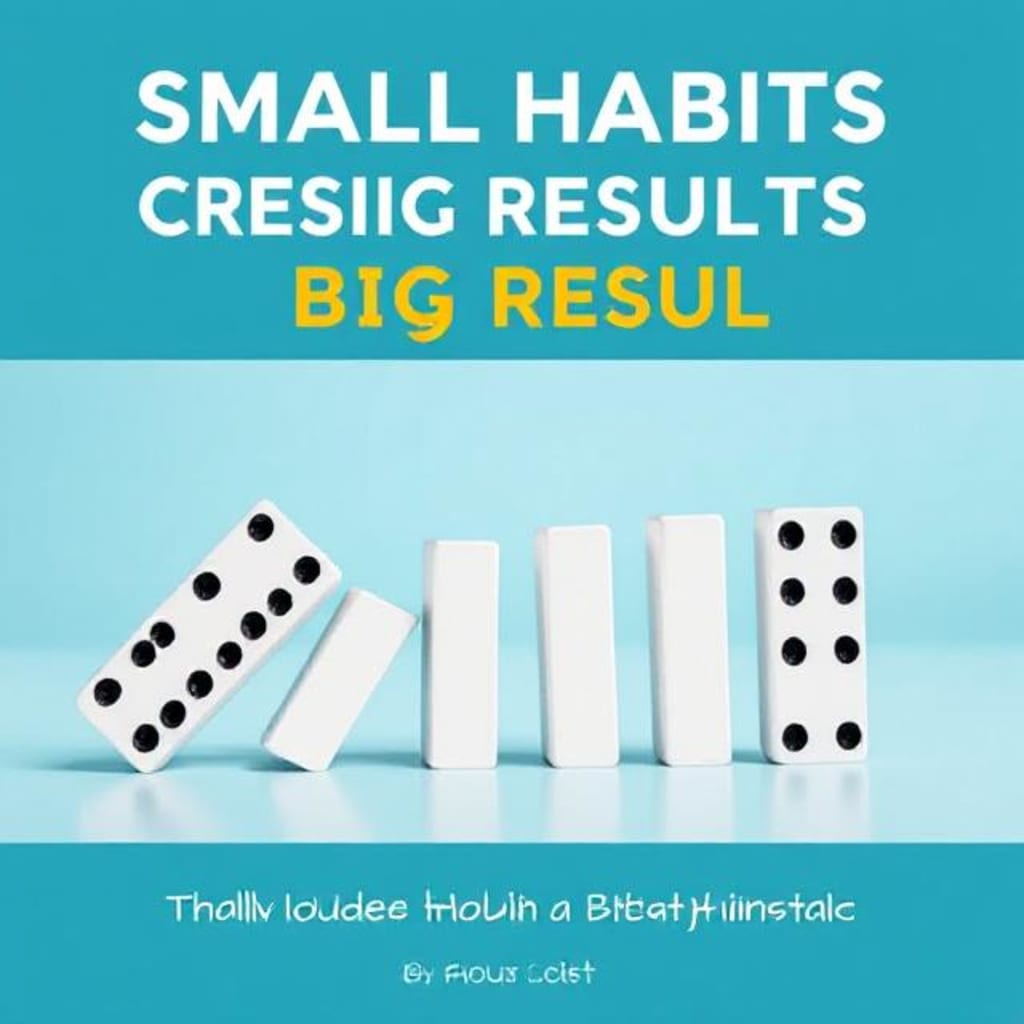
Success in America is often painted as something dramatic — the big promotion, the overnight startup, or the instant body transformation. But reality tells a different story: real success comes slowly, one step at a time. James Clear’s bestselling book Atomic Habits delivers this timeless truth with a modern twist: your future is built by the small habits you repeat daily, not the big goals you dream about.
In 2025, where distractions are everywhere and people chase quick wins, this message is more important than ever. Let’s explore the key lessons from Atomic Habits and why they matter so much today.
---
The 1% Rule: Small Gains Compound into Huge Wins
Clear introduces a simple yet powerful idea: if you improve by just 1% each day, those small gains compound over time into something extraordinary. On the flip side, if you get 1% worse each day, small losses pile up until failure feels inevitable.
Imagine two people in the U.S. who both want to get fit. One cuts soda from their daily routine while the other continues with fast food every night. At first, there’s little visible difference. But after six months, one is healthier, lighter, and more energetic, while the other feels stuck.
The truth is simple: success is the product of daily habits — not once-in-a-lifetime transformations.
---
Identity-Based Habits: Be Who You Want to Become
Most Americans set goals like:
“I want to lose 20 pounds.”
“I want to save $10,000.”
“I want to write a book.”
The problem? Goals focus on outcomes, but habits focus on identity. Instead of saying, “I want to run a marathon,” say, “I am a runner.” Instead of saying, “I want to save money,” say, “I am a saver.”
Every small habit you practice is a vote for the person you wish to become. When you read a few pages daily, you’re not just learning — you’re becoming a reader. When you cook a healthy meal, you’re not just eating — you’re becoming a healthy person.
In America, where people chase the “bigger, better, faster” dream, this shift in mindset is powerful. Your identity creates long-term change in ways goals alone never can.
---
Why Environment Is Stronger Than Motivation
We often tell ourselves, “If only I had more motivation, I’d succeed.” But James Clear explains that motivation fades; environment lasts.
Think of it this way:
If cookies sit on your kitchen counter, you’ll eat them.
If your phone buzzes every five minutes, you’ll scroll instead of working.
If your TV remote is next to your couch, Netflix wins over exercise.
But when you shape your environment, success feels automatic. Want to read more? Put a book on your pillow so you see it before bed. Want to eat healthier? Stock your fridge with vegetables and put junk food out of sight.
In a country where distractions compete for attention 24/7, environment design isn’t just helpful — it’s survival.
---
Systems Beat Goals Every Time
Americans love setting goals. New Year’s resolutions, vision boards, five-year plans — they’re everywhere. But Clear points out the flaw: goals are about results, while systems are about processes.
Take two examples:
Goal: “I want to lose 30 pounds.”
System: cooking balanced meals, tracking calories, exercising daily.
Goal: “I want to make $100,000.”
System: learning new skills, applying for better jobs, creating side income streams.
Which one actually works? The system.
Goals give direction, but systems create progress. In the U.S., where big dreams are celebrated, this reminder is crucial: fall in love with the process, and results will follow.
---
The Science of Habit Formation: The 4 Laws
Clear simplifies habits into a four-step cycle called The 4 Laws of Behavior Change:
1. Make it obvious – Place cues where you see them. (Want to exercise? Keep your shoes by the door.)
2. Make it attractive – Pair a habit with something you enjoy. (Listen to music only when you jog.)
3. Make it easy – Start small. (Do 2 push-ups instead of 50. Read 1 page instead of 30.)
4. Make it satisfying – Reward yourself to reinforce the habit. (Crossing off a checklist or enjoying a smoothie after a workout.)
For Americans juggling busy schedules, these laws are practical and doable. They strip away excuses and replace them with a blueprint for real change.
---
Why Atomic Habits Still Matters in 2025
So why does this book continue to resonate years after its release? Because the struggle hasn’t changed.
People are still battling health issues caused by poor habits.
Students still procrastinate and cram the night before exams.
Families still struggle with money and overspending.
Workers still get stuck in cycles of stress and burnout.
The answer isn’t a magic breakthrough — it’s building habits that align with the life you want.
In 2025, with AI, fast technology, and endless shortcuts, the temptation for instant results is stronger than ever. Atomic Habits is the antidote — a reminder that slow, consistent progress beats temporary bursts of effort.
---
Final Takeaway: Build the Future, One Habit at a Time
Your life today is the sum of your habits. If you want a healthier, wealthier, or happier future, you don’t need to reinvent yourself overnight. You need to choose one small habit and stick with it.
In the U.S., the American Dream has always been about opportunity. But the hidden truth is this: the dream doesn’t come from luck or one big chance — it comes from small, daily actions that shape your destiny.
So as you step into 2025, ask yourself: What’s one small habit I can start today that my future self will thank me for?
Because success isn’t built in a day. It’s built every day.
---
About the Creator
Muhammad Riaz
Passionate storyteller sharing real-life insights, ideas, and inspiration. Follow me for engaging content that connects, informs, and sparks thought.
Keep reading
More stories from Muhammad Riaz and writers in Motivation and other communities.
💰 From Bedroom to Billions: The Story of MrBeast
"I was 13, broke, and obsessed—with numbers." That’s how Jimmy Donaldson, the world now knows as MrBeast, described the beginning of a journey that would not only transform his own life but also deeply impact the lives of millions across the globe. No TV show, no famous parents, no big budget. Just a boy with a cracked phone screen, a slow laptop, and a wild dream in a small room in Greenville, North Carolina.
By Muhammad Riaz8 months ago in Motivation
The Man Who Was Fired for Being “Too Slow” — Then Built One of the Greatest Car Companies in the World
Success stories usually begin with talent, opportunity, or privilege. But sometimes, they begin with humiliation. Sometimes they begin with rejection so painful that most people quietly abandon their dreams and never speak of them again.
By Frank Massey 5 days ago in Motivation



Comments
There are no comments for this story
Be the first to respond and start the conversation.