
How a Key Brain Protein Could Revolutionize Mental Health Treatments
Uncovering the Role of BDNF in Motivation, Mood, and New Approaches to Treating Depression and Anxiety.
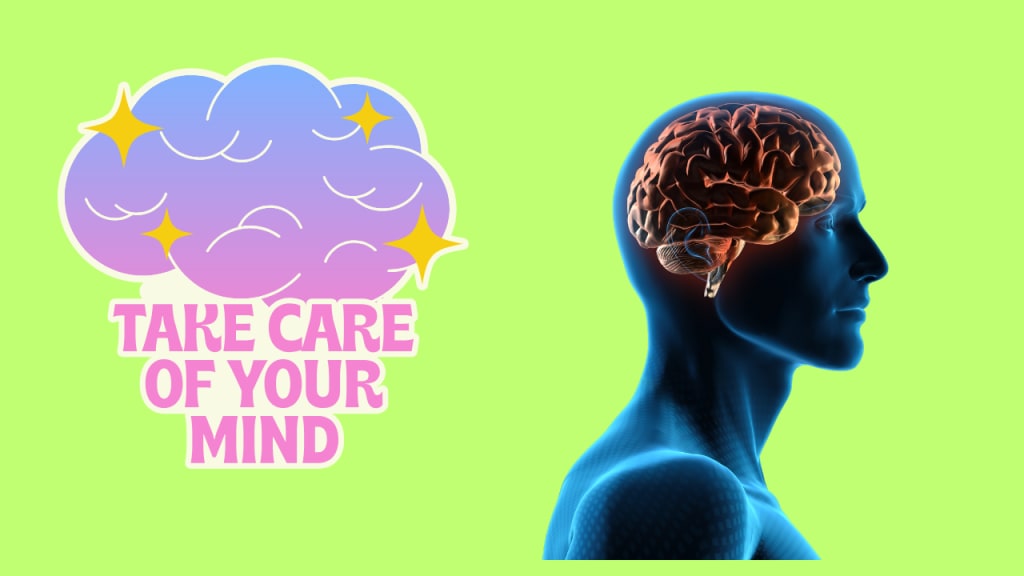
The intricate workings of the human brain have long fascinated scientists, with many mysteries still left to uncover. Among the most elusive aspects are the mechanisms that govern motivation and mood. But recent scientific discoveries have shed light on a significant piece of this puzzle: a key brain protein that directly influences motivation and mood regulation. This breakthrough has potential implications for improving treatments for mental health disorders, such as depression, anxiety, and burnout.
What is the Brain Protein Involved?
The brain protein in question is known as brain-derived neurotrophic factor (BDNF). BDNF plays a critical role in neuroplasticity, which is the brain's ability to reorganize itself by forming new neural connections. It is found primarily in areas of the brain related to learning, memory, and emotional regulation, such as the hippocampus, cortex, and basal forebrain.
BDNF promotes the growth of new neurons and helps maintain the survival of existing neurons, making it vital for healthy brain function. Researchers have now discovered that this protein also plays a crucial role in regulating motivation and mood by affecting the brain's reward system.
How BDNF Affects Motivation and Mood

The reward system in the brain is responsible for how we experience pleasure and drive, both of which are critical for motivation. When BDNF levels are high, the brain is more capable of processing rewarding experiences, which boosts motivation and encourages positive mood states. On the flip side, low BDNF levels have been linked to reduced motivation, feelings of helplessness, and an increased risk of mood disorders such as depression and anxiety.
The Science Behind It
Recent studies published in neuroscience journals reveal how BDNF impacts the mesolimbic dopamine pathway, a network in the brain that modulates motivation and pleasure. This pathway relies heavily on dopamine, a neurotransmitter known for its role in reward and mood regulation. BDNF enhances the release and functioning of dopamine in this pathway, making it easier for individuals to feel pleasure and maintain a positive outlook.
In conditions where BDNF levels are low, dopamine production and reception are impaired, leading to decreased feelings of motivation and reward. This deficiency is commonly seen in individuals suffering from depression, chronic stress, and burnout. By identifying this relationship, scientists have opened the door to new treatment possibilities that target BDNF levels to improve motivation and mood.
Implications for Mental Health Treatment
The identification of BDNF as a key player in motivation and mood regulation offers promising potential for mental health interventions. Currently, many treatments for mood disorders, such as depression, rely on medications like selective serotonin reuptake inhibitors (SSRIs). While these drugs can be effective for some individuals, they do not work for everyone, and their effects on motivation can be inconsistent.
Boosting BDNF levels may provide a new avenue for treatment, particularly for those who have not responded well to traditional therapies. Some methods already being explored to naturally increase BDNF levels include:
Exercise: Physical activity, especially aerobic exercise like running or cycling, has been shown to significantly increase BDNF levels. Regular exercise not only improves physical health but can also boost mental well-being by enhancing mood and motivation.
Diet: Omega-3 fatty acids, found in foods like fish, flaxseeds, and walnuts, have been linked to increased BDNF production. Additionally, diets rich in antioxidants from fruits and vegetables can promote brain health and potentially raise BDNF levels.
Sleep: Quality sleep is essential for BDNF production. Sleep deprivation has been associated with lower BDNF levels, which may contribute to mood disorders and reduced motivation.
Cognitive Training: Mental exercises and learning new skills can also help increase BDNF. Activities that challenge the brain, such as puzzles, learning a new language, or engaging in creative tasks, can stimulate neuroplasticity and enhance BDNF production.
Mindfulness and Meditation: Practicing mindfulness and meditation has been linked to improved emotional regulation and can help balance neurotransmitter activity, including boosting BDNF levels.
The Future of BDNF-Based Therapies

The discovery of BDNF’s role in mood and motivation regulation is a promising step forward for mental health treatment. As scientists continue to explore how BDNF can be manipulated for therapeutic purposes, there may be the potential for new medications or interventions that directly target this protein to treat depression, anxiety, and other mood disorders.
In the future, personalized treatments that focus on boosting BDNF levels could become an essential part of mental health care, offering more targeted and effective therapies for individuals struggling with motivation and mood-related challenges.
Conclusion
The identification of brain-derived neurotrophic factor (BDNF) as a key regulator of motivation and mood has the potential to revolutionize mental health care. By understanding how this protein influences brain functions, researchers can develop new, more effective treatments for mood disorders, helping individuals overcome challenges related to motivation and emotional well-being.
If you’re interested in improving your mental health naturally, incorporating activities that boost BDNF, such as regular exercise, a balanced diet, quality sleep, and mindfulness practices, could be a valuable step in enhancing both your motivation and mood.
Key Takeaways:
1. BDNF is a crucial brain protein involved in motivation and mood regulation.
2. Low BDNF levels are linked to depression, anxiety, and reduced motivation.
3. Natural ways to boost BDNF include exercise, a healthy diet, and mental stimulation.
4. The discovery of BDNF's role opens the door for new mental health treatments targeting this protein.
5. By focusing on holistic practices that enhance BDNF production, we may be able to improve overall mental health and well-being in the future.
About the Creator
Keep reading
More stories from Grace Kimani and writers in Motivation and other communities.
How the Gig Economy is Changing the Traditional Job Market: The Future of Work.
The gig economy is revolutionizing the way we work, shifting away from the traditional 9-to-5 job structure, and embracing freelance work, side hustles, and short-term contracts. As more workers seek flexibility and autonomy, the rise of the gig economy is reshaping the job market, offering new opportunities while also challenging the traditional idea of career stability. Let’s explore how the gig economy is transforming work, the benefits and challenges it brings, and what it means for the future of employment.
By Grace Kimaniabout a year ago in Lifehack
One Hard Thing
Stop me if you’ve heard this one before: You have the number, you know your schedule- you’ve even picked out the perfect day and time to make this appointment. Shoot, you’ve even picked out alternative days and times just in case their schedules can’t accommodate you!
By Taylor Rigsby5 days ago in Motivation
From Silence to Strength: How Failure Taught Me the Meaning of Success
I thought it was something you announced to the world — with expensive clothes, big houses, and constant proof that you were winning. In my mind, successful people were always smiling, always confident, and always moving forward.
By Iazaz hussain6 days ago in Motivation




Comments
There are no comments for this story
Be the first to respond and start the conversation.