
Harrison Lefrak New York: A look into New York's Commercial Real Estate
A look at how New York’s commercial real estate market is transforming amid hybrid work, shifting demand and new development trends.

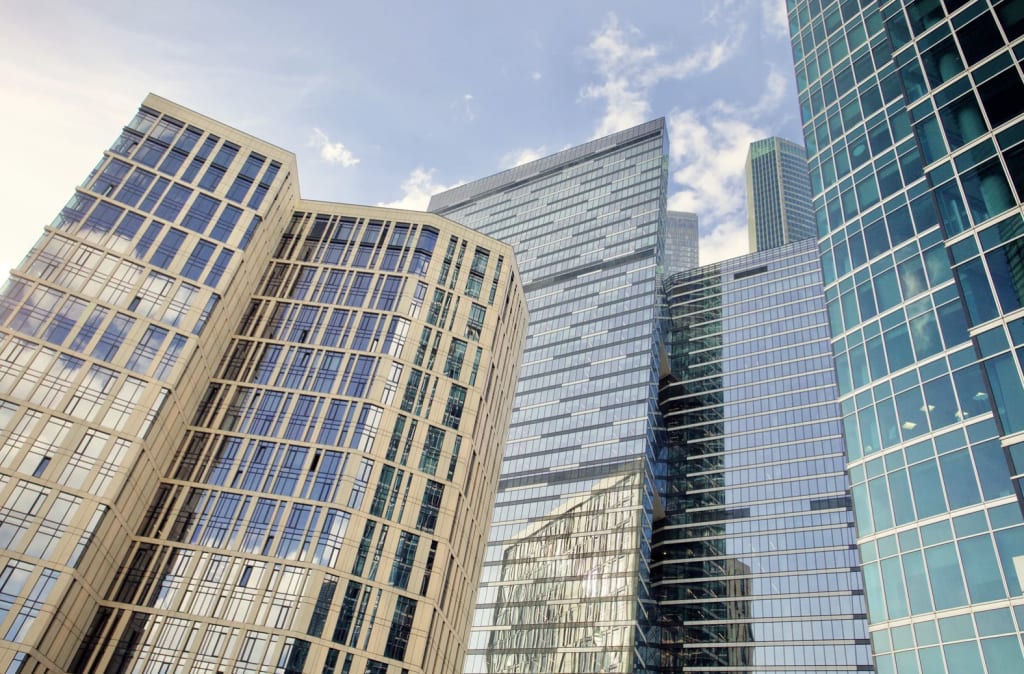
New York commercial real estate: a market in transition
New York commercial real estate has long been a barometer of the city’s economic health. From Midtown’s office towers to Brooklyn’s industrial corridors, the market reflects shifting workplace trends, evolving industries and the city’s ongoing efforts to reinvent itself. Today, that landscape is in flux. Hybrid work, rising interest rates and changing tenant expectations are reshaping what succeeds and what struggles across the five boroughs.
Office demand in a hybrid-work era
Office space has historically been the backbone of New York commercial real estate. But the pandemic permanently changed how companies use space. Many firms now maintain smaller footprints as employees split their time between office and home. As a result, older buildings without updated ventilation, flexible floor plans or modern amenities face higher vacancy rates.
But the story is not simply one of decline. Class A towers with top-tier infrastructure continue to outperform the wider market. Tenants favor buildings with sustainable design, energy-efficient systems and shared spaces that support collaboration. New developments near transit hubs, including those in Hudson Yards and around Grand Central, are attracting companies seeking long-term stability and employee convenience.
The divide between newer, amenity-rich buildings and the city’s aging office stock is becoming a central theme. Landlords looking to stay competitive are investing in renovations, adding features such as rooftop terraces, fitness centers and advanced air filtration systems.
Retail rebounds, but with new expectations
New York retail has endured years of disruption, from the rise of e-commerce to pandemic-era closures. Yet several neighborhoods are showing signs of renewed activity. Areas that benefit from tourism and high foot traffic, including SoHo, Times Square and Fifth Avenue, are seeing a pickup in leasing. International brands, digital-native retailers and experiential concepts are reclaiming space.
Still, the nature of retail has shifted. Stores now serve as both shopping destinations and fulfillment hubs. Flexibility is essential, and tenants often seek shorter lease terms or spaces that can easily adapt to changing consumer behavior. Food-and-beverage operators, outdoor dining structures and pop-up experiences have become part of the retail fabric, reflecting New York’s appetite for novelty and convenience.
Industrial and life sciences emerge as growth drivers
While traditional office and retail spaces adjust to new realities, industrial and life sciences properties have grown in importance. Demand for warehouse and distribution centers surged alongside e-commerce, although limited land supply keeps vacancy rates low and prices high, particularly in Brooklyn and Queens.
Life sciences, buoyed by research institutions and expanding biotech investment, represents another bright spot. Purpose-built laboratory space is in short supply, prompting developers to convert older office buildings into specialized facilities. Locations near major medical and academic campuses, such as Manhattan’s East Side and parts of Long Island City, are attracting sustained interest.
Conclusion
New York commercial real estate remains dynamic, resilient and deeply tied to the city’s economic future. The market is not returning to its pre-pandemic structure. Instead, it is redefining itself through innovation, redevelopment and a shift toward quality over quantity. As employers refine workplace strategies and industries evolve, the city’s commercial landscape will continue to adapt—just as it has through previous cycles.
Harrison Lefrak New York
Harrison LeFrak serves as President AND CEO of the LeFrak Trust Company a private financial institution headquartered in Delaware. He also acts as an advisor to the LeFrak Foundation a Delaware based private charitable organization. Harrison Lefrak New York Real Estate Investor.
About the Creator
Scott Keever
Scott Keever is an entrepreneur, internationally recognized SEO expert, online reputation mastermind, and member of the Forbes Agency Council. Scott is the founder of several award-winning digital marketing agencies.
Keep reading
More stories from Scott Keever and writers in Motivation and other communities.
Palm Beach security guard Mary Drucker leads clothing drive to support local families in need
When students began showing up to school without jackets, proper shoes, or clean clothes, Palm Beach security guard Mary Drucker Palm Beach realized the problem was bigger than what she witnessed at the campus gate. Families across Palm Beach County were struggling to afford everyday essentials, and many children were doing their best to learn while lacking basic items most people take for granted.
By Scott Keeverabout a month ago in Motivation
“He Kept Going When No One Was Watching — And That Changed Everything”
No one ever noticed the days he almost gave up. There were no messages asking if he was okay. No one wondered why he became quieter. No one asked how much effort it took just to keep going. To the world, he was just another ordinary man. His name was Ayaan. Ayaan’s life didn’t collapse in one dramatic moment. It slowly faded. Missed opportunities. Rejected ideas. Silent disappointments. Every failure was small, but together they became heavy. He had dreams once. Big ones. Dreams that kept him awake at night, imagining a future where his hard work would finally matter. But over time, those dreams began to feel unrealistic—almost embarrassing. People around him seemed to move forward effortlessly. They celebrated promotions, achievements, and milestones. Ayaan watched from the side, smiling politely while feeling invisible. At work, his efforts were ignored. Among friends, his voice faded. At home, expectations weighed heavily on him. Slowly, a dangerous thought settled into his mind: “Maybe I’m not good enough.” That thought followed him everywhere. It followed him on crowded buses. It followed him into sleepless nights. It followed him every time he tried again and failed. One night, after scrolling through endless success stories online, Ayaan closed his phone and stared at the dark ceiling. His chest felt tight, not because of pain—but because of exhaustion. He whispered quietly, “How long do I keep trying?” There was no answer. But that night, Ayaan made a decision—not a loud one, not a confident one. A tired decision. He decided to keep going, even if nothing changed. The next morning felt the same. The same routine. The same doubts. The same fear of wasting his life. But Ayaan showed up anyway. He worked when no one praised him. He studied when no one guided him. He practiced when no one believed in him. Some days, motivation disappeared completely. On those days, discipline took over. He reminded himself: “I don’t need applause. I need progress.” Weeks passed. Nothing dramatic happened. No sudden success. No recognition. No miracle. But something subtle began to shift. Ayaan became calmer under pressure. He learned to sit with discomfort instead of running from it. He stopped comparing his journey to others. The silence that once scared him now became his training ground. Months later, a serious problem appeared at his workplace. It was complicated, risky, and easy to blame on someone else. Most people avoided it. Some pretended it wasn’t their responsibility. Ayaan didn’t announce himself. He didn’t seek attention. He simply started working. Late nights. Mistakes. Corrections. Learning. There were moments he wanted to quit. Moments when fear whispered, “You’re not ready.” But he answered back, “I’ll learn.” Slowly, the problem began to disappear. Not perfectly—but steadily. People noticed, quietly. One afternoon, his manager called him into the office. Ayaan expected criticism. Instead, he heard a question that stunned him: “Where did you learn all this?” Ayaan paused. How could he explain years of silent effort? How could he explain working when no one cared? He simply replied, “I kept going.” That moment didn’t change his life overnight. He didn’t become famous. He didn’t suddenly become successful. But it changed something far more important. His belief in himself. For the first time, Ayaan understood that life doesn’t always reward effort immediately. Sometimes, it watches. It watches who continues without praise. Who improves without recognition. Who grows in silence. Years later, Ayaan looked back at the version of himself who almost quit. The man who felt invisible. The man who thought no one was watching. And he smiled. Because he finally understood the truth: Life was always watching. Not to judge. Not to rush. But to see if he would keep going when it was hardest. The world doesn’t reward those who only work when they’re seen. It rewards those who build strength in silence. And sometimes, the moment that changes everything doesn’t come with applause. It comes quietly. After patience. After effort. After consistency. That is when everything finally begins to change. Final Message Keep going—even when no one is watching. Especially then.
By Inayat khan3 days ago in Motivation



Comments
There are no comments for this story
Be the first to respond and start the conversation.