
Frozen vegetables can be just as nutritious as fresh ones
Frozen vegetables offer a convenient, cost-effective, and nutritious alternative to fresh produce. They provide the same essential vitamins and minerals, often with better retention of these nutrients due to the rapid freezing process.

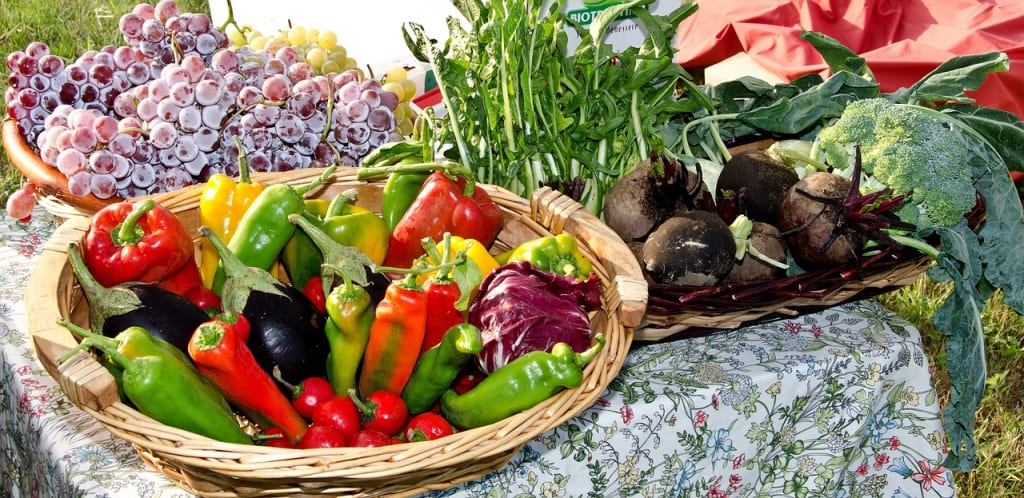
The quest for a healthy diet, many people assume that fresh vegetables are the best option. However, research and scientific studies have shown that frozen vegetables can be just as nutritious as their fresh counterparts.
One of the key concerns people have about frozen vegetables is whether the freezing process affects their nutritional content. Several studies have shown that this is not the case. A study published in the Journal of Food Composition and Analysis found that the nutrient levels in frozen vegetables are comparable to those in fresh vegetables. In some cases, frozen vegetables may even retain more nutrients than fresh ones.
How Freezing Preserves Nutrients
The freezing process involves harvesting vegetables at their peak ripeness, when they are most nutrient-dense. They are then blanched, which involves briefly boiling them and then plunging them into ice water to stop the cooking process. This step helps inactivating enzymes that can cause nutrient degradation. After blanching, the vegetables are quickly frozen to lock in their nutrients.
Vitamin Retention: Vitamins such as A, C, and various B vitamins are well-preserved in the freezing process. For example, vitamin C, which is sensitive to heat and light, can degrade quickly in fresh vegetables stored at room temperature but is better preserved when frozen.
Mineral Content: Minerals like iron, calcium, and magnesium remain stable in frozen vegetables, making them a reliable source of these essential nutrients.
Benefits of Frozen Vegetables
Convenience and Longevity: Frozen vegetables are pre-washed, pre-cut, and ready to use, which saves time on meal preparation. They also have a much longer shelf life compared to fresh vegetables, reducing food waste and ensuring that you always have vegetables on hand.
Cost-Effectiveness: Frozen vegetables are often cheaper than fresh ones, especially out of season. Buying frozen vegetables can be a budget-friendly way to include a variety of vegetables in your diet year-round.
Nutritional Consistency: Because they are frozen at peak ripeness, frozen vegetables provide consistent nutritional value. Fresh vegetables, on the other hand, may lose nutrients during transport and storage before they reach your table.
Less Food Waste: Fresh vegetables can spoil quickly if not used promptly, leading to food waste. Frozen vegetables can be stored for months without degrading in quality, reducing the likelihood of waste.
Despite the benefits, several myths about frozen vegetables persist. Let’s address some of the most common misconceptions:
Myth 1: Fresh is Always Better
While fresh vegetables from a local farmers' market can be incredibly nutritious, the reality is that fresh produce found in supermarkets may have traveled long distances and been stored for extended periods, leading to nutrient loss. Frozen vegetables, in contrast, are frozen shortly after harvest, preserving their nutritional value.
Myth 2: Frozen Vegetables Are Full of Preservatives
Frozen vegetables typically do not contain added preservatives. The freezing process itself acts as a natural preservative, maintaining the vegetables' quality without the need for additional chemicals.
Myth 3: Frozen Vegetables Lack Flavor
Many people believe that frozen vegetables are less flavorful than fresh ones. However, because they are frozen at their peak, they often retain their natural flavors. Proper cooking techniques, such as steaming or sautéing, can help enhance their taste.
Practical Tips for Using Frozen Vegetables
Incorporating frozen vegetables into your diet is easy and can be done in a variety of ways. Here are some practical tips:
Stock Up: Keep a variety of frozen vegetables in your freezer. This ensures you have a range of options available for different meals and recipes.
Quick and Easy Sides: Frozen vegetables make quick and nutritious side dishes. Simply steam, microwave, or sauté them with a bit of olive oil and your favorite seasonings.
Incorporate into Soups and Stews: Add frozen vegetables directly into soups, stews, and casseroles. They cook quickly and add a boost of nutrition to these dishes.
Smoothie Boost: Frozen spinach, kale, and other greens can be blended into smoothies for an easy way to increase your vegetable intake without compromising flavor.
Stir-Fries and Skillets: Use frozen vegetable mixes in stir-fries and skillet meals. They cook quickly and blend well with a variety of proteins and sauces.
Several scientific studies support the nutritional equivalence of frozen and fresh vegetables:
University of California, Davis Study: This study compared the nutrient content of eight commonly purchased frozen and fresh vegetables and fruits. The results showed no significant differences in the vitamin content between the fresh and frozen samples.
Journal of Food Science Study: This research found that freezing and canning processes may preserve nutrient levels, particularly if the vegetables are stored properly and consumed within a reasonable period.
Advances in Nutrition Review: A comprehensive review concluded that the nutritional value of frozen fruits and vegetables is comparable to, and occasionally higher than, that of fresh produce, especially when considering nutrient retention during transport and storage of fresh produce.
By debunking common myths and highlighting practical tips for usage, it becomes clear that frozen vegetables can play a vital role in a balanced diet. Whether you’re looking to save time, reduce food costs, or ensure you always have nutritious options available, incorporating frozen vegetables into your meal planning is a smart and beneficial choice.
About the Creator
Keep reading
More stories from Kenneth Ethan Carl and writers in Motivation and other communities.
Meal prepping can save time during busy evenings
Finding time to prepare a nutritious meal after a long day can be challenging. However, meal prepping offers a practical solution that not only saves time during busy evenings but also promotes healthier eating habits.
By Kenneth Ethan Carl2 years ago in Motivation
I Worked Hard My Whole Life but Never Felt Financially Safe
I was raised to believe that hard work was the ultimate guarantee. Work hard, stay honest, don’t complain, and everything would eventually fall into place. Financial safety, I was told, was the reward for effort. So I believed it. I built my entire life around it.
By kamran khan4 days ago in Motivation


Comments
There are no comments for this story
Be the first to respond and start the conversation.