
From Patagonia's Heights to U.S. Skies: Chilean Pilot Victor Garrido Solis on Medevac Missions and the Lessons In The Sky
Victor Eduardo Garrido Solis, a Chilean-American airline Captain, flight instructor, and aviation educator, boasts a career forged in the fires of challenging environments.

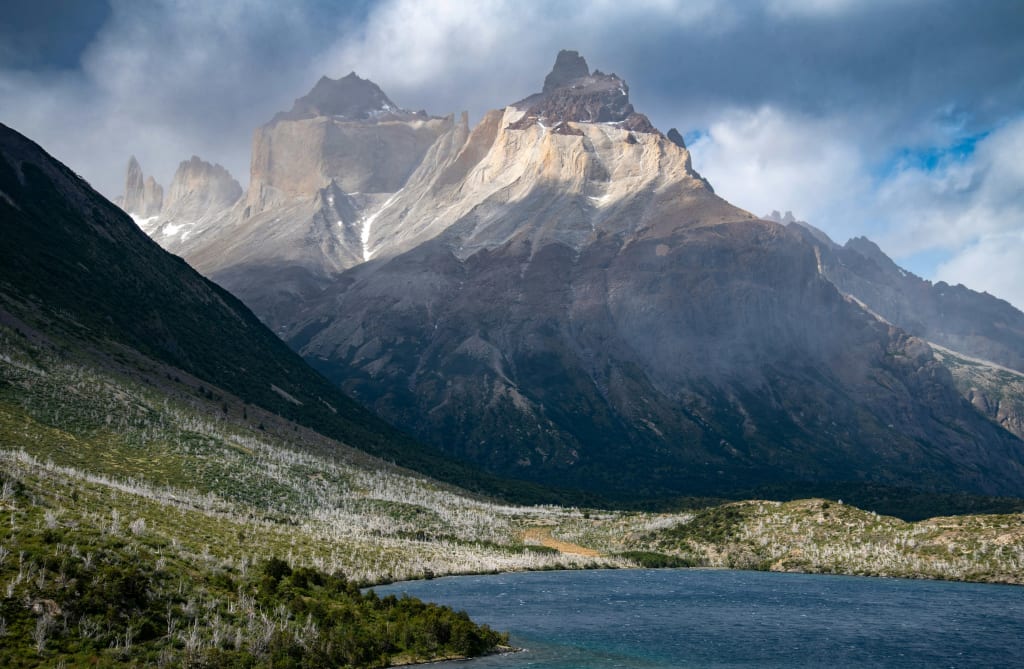
From the rugged landscapes of Chilean Patagonia to the complex airspace of the United States, Garrido Solis's journey is a testament to resilience, adaptability, and a deep commitment to continuous learning. His experiences, encompassing high-stakes medevac operations, flight instruction, and airline flight deck leadership, have shaped a pilot who prioritizes safety, mentorship, and unwavering professionalism.
Victor Eduardo Garrido Solis, a Chilean-American airline Captain, flight instructor, and aviation educator, boasts a career forged in the fires of challenging environments. From the rugged landscapes of Chilean Patagonia to the complex airspace of the United States, Garrido Solis's journey is a testament to resilience, adaptability, and a deep commitment to continuous learning. His experiences, encompassing high-stakes medevac operations, flight instruction, and airline flight deck leadership, have shaped a pilot who prioritizes safety, mentorship, and unwavering professionalism.
Solis’s aviation journey began in his native Chilean Patagonia. At the age of 18, he moved to the United States in 2016 to pursue his dream of becoming a pilot. He diligently completed his initial flight training in Florida, earning his Private Pilot License, Instrument Rating, and Commercial Multi-Engine License. He further honed his skills, acquiring his Commercial Single-Engine License, Certified Flight Instructor (CFI), Certified Flight Instructor – Instrument (CFII), and Multi-Engine Instructor (MEI) certifications.
His exceptional instructional abilities quickly led him to Fly Bay Area, where he developed an Instrument Flight Rules (IFR) training curriculum that significantly enhanced the school's flight training standards. However, in 2022, Victor Garrido Solis made a pivotal decision: to return to his roots in Chile and fly critical medevac missions with Aerotaxis del Sur in Patagonia.
A Call to Serve: Medevac Missions in Patagonia
When asked about his decision to return to Chile, Solis explained, "I wanted to give back to my home region and grow as a pilot. Flying medevac missions in Patagonia allowed me to help people in urgent need—often the only way they could reach a hospital. It was also a chance to push my flying skills beyond the comfort of paved runways and controlled airspace. The experience taught me to make tough decisions under pressure, manage unpredictable conditions, and always put safety first, no matter how critical the mission felt."
These missions involved navigating treacherous mountainous terrain and conducting night flights without the aid of traditional air traffic control or ground navigation systems. The remoteness of the region and the lack of infrastructure presented unique challenges that tested Solis's skills and judgment.

Preparing for the Unpredictable
The Patagonian landscape demanded meticulous preparation. "Preparation was everything," Garrido Solis emphasized. "Before every flight, I reviewed satellite images, called locals for live weather updates, and studied escape routes in case conditions changed. Since many of the towns had no weather stations or navigation aids, planning had to be flexible. I mentally rehearsed multiple contingencies before departure and stayed ready to return to base if conditions deteriorated. Good preflight planning gave me the flexibility and confidence to make safe, real-time decisions in the air."
The inherent dangers of these missions were undeniable. "It’s dangerous because you’re operating without the safety nets pilots usually rely on—no ATC, no ground-based navigation, often no real-time weather reporting," he explained. This environment required him to sharpen his situational awareness, judgment, and risk management skills. "Every takeoff required a full plan for what to do if something went wrong. I learned to read the terrain intuitively, trust my training, and set hard personal limits. If the weather or runway conditions didn’t feel right, the answer was always no—patient or not."
Navigating Night and Mountainous Terrain
The combination of mountainous terrain and night flights presented extreme challenges. "Flying over mountains at night in Patagonia is extremely challenging. There’s little visual reference, the terrain rises sharply, and winds can shift rapidly. Short gravel runways, combined with unpredictable weather, leave little margin for error," Solis described. "Night flights require absolute trust in your instruments and preparation for every possible scenario. Even though the missions were often urgent, discipline and patience were critical for making safe decisions and managing the risks properly."
Maintaining composure in these high-pressure situations was paramount. "I stayed focused on the basics: aviate, navigate, communicate," he stated. "I constantly reassessed the situation and stuck to my personal limits, even when pressure to complete a mission was high. Breathing, staying ahead of the airplane, and trusting my preparation helped ease any stress. Being honest with myself about when to turn back—not pushing a bad situation—was key. You can’t let external pressures cloud your judgment in that environment."
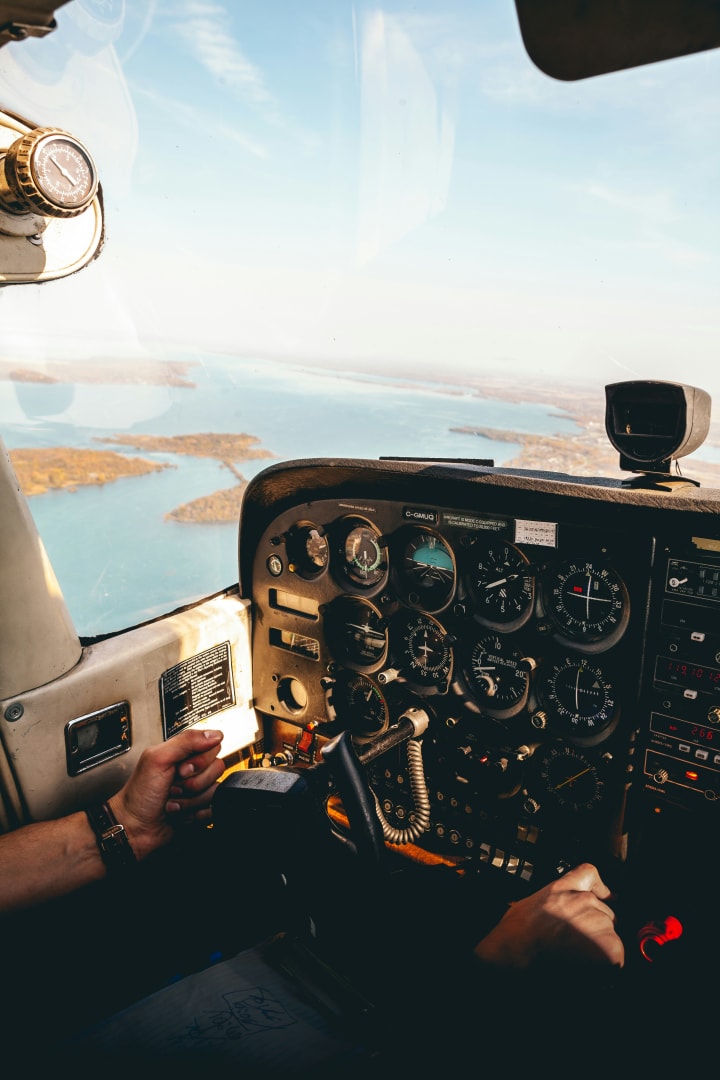
A Harrowing Landing in the Forest
Victor Garrido Solis recounted one particularly difficult landing: "One of the hardest landings was into a small Patagonian town with a short, gravel strip surrounded by mountains. There was no formal weather reporting, just a local phone call telling us it 'looked okay.' Winds were gusty, and visibility was dropping. After circling the field to judge conditions, I committed to a carefully managed approach, maintaining extra airspeed in case of downdrafts. We landed safely, but it was a constant, active management of the airplane all the way to touchdown."
From Patagonia to the Flight Deck: Lessons Applied
The experiences gained in Patagonia have profoundly shaped Garrido Solis's approach to flying, even in the comparatively safer environment of commercial aviation in the United States. "It made me a much more conservative, thoughtful pilot," he explained. "In Patagonia, you learn to build escape routes into every plan because nothing is guaranteed. That mindset carries into my airline flying today. Even though the U.S. offers extensive ground navigation and ATC support, I still think two steps ahead and never take safe conditions for granted. Flying in the mountains gave me respect for how quickly things can change—and how preparation saves lives."
While the U.S. offers robust aviation infrastructure, Garrido Solis notes similarities between certain terrains and the Patagonian landscape. "Yes, I’ve flown over challenging terrain in Colorado, Utah, Montana, and the Pacific Northwest. The mountains, weather shifts, and turbulence in these areas can feel very similar to Patagonia. The big difference is infrastructure—U.S. airspace has ATC, radar coverage, and precision navigation that make even difficult environments much more manageable. In Patagonia, you’re truly on your own, so the level of vigilance is even higher."
A Career Taking Flight
Upon returning to the U.S. in October 2022, Solis joined SkyWest Airlines as a First Officer. His exceptional skills, sound professional judgment, and leadership qualities led to a rapid progression, and he was upgraded to Captain in August 2024. He currently operates regional jets, manages complex airspace scenarios, and mentors new First Officers, drawing extensively on his instructional experience.
Victor Garrido Solis's story is an inspiring example of how a dedication to continuous learning, resilience, and a commitment to safety can lead to a fulfilling and impactful aviation career. His time flying medevac missions in the challenging environment of Patagonia has not only honed his skills as a pilot but has also instilled in him a deep appreciation for the importance of preparation, adaptability, and unwavering professionalism. He continues to be a role model for aspiring aviators, demonstrating the values of mentorship and community-building within the aviation industry.
About the Creator
Lisa Rosenberg
I am a writer based in New York City writing about artists, creative leaders and entrepeneurs.
Keep reading
More stories from Lisa Rosenberg and writers in Motivation and other communities.
Brazilian Videographer Doug Lima On Redefining Storytelling In The Mobile Era
Doug Lima is a Brazilian-born videographer and content creator who has carved a niche for himself in the competitive Los Angeles market, producing high-quality visuals for a diverse range of clients, from global giants like Microsoft and Mattel to Latin Grammy Award-winning musician, Gee Rocha.
By Lisa Rosenberg9 months ago in Art




Comments