
From Hashtags to Movements: How Social Media Is Changing Political Activism
Digital platforms have become the new battleground for change—but is online activism enough to truly shift power?

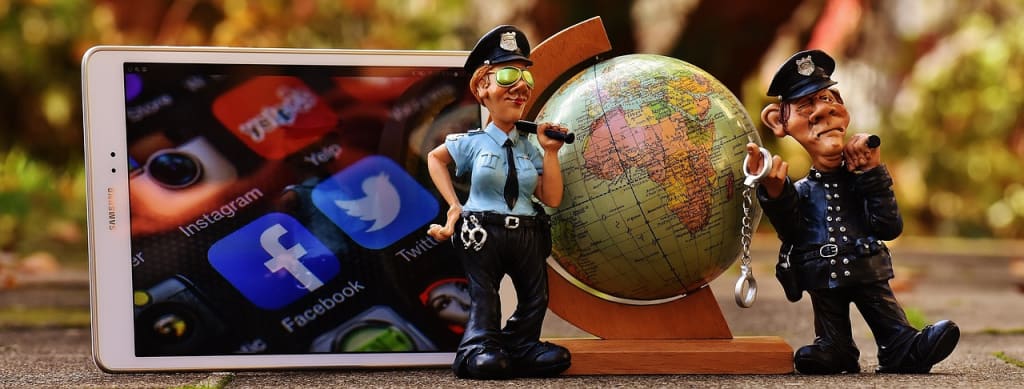
Once upon a time, political activism lived in town halls, protest marches, and newspaper columns. Today, it thrives in tweets, livestreams, and viral hashtags.
From the Arab Spring to Black Lives Matter, social media has become a powerful tool for organizing, educating, and mobilizing.
But with this shift comes a vital question:
Is social media empowering activism—or diluting it?
This article explores how platforms like Twitter, Facebook, TikTok, and Instagram have redefined what it means to be politically engaged—and where the strengths and dangers lie.
✅ The Power of social media in Activism
1. Amplifying Marginalized Voices
Before social media, only the loudest—or most resourced—voices were heard. Today, anyone with a smartphone can raise awareness and challenge injustice.
Indigenous activists spotlight environmental battles
Refugees document conditions firsthand
Grassroots organizers reach global audiences
Social media levels the playing field, giving underrepresented communities direct access to storytelling and support.
“Social media didn’t give us a voice. It gave us a microphone.” — Digital Rights Advocate
2. Real-Time Mobilization
One post. One story. One video.
Movements can now ignite in minutes, thanks to social media.
Protests, fundraisers, petitions, boycotts—once slow to organize—can be coordinated in real time.
For example:
The Arab Spring used Facebook to rally protesters
#MeToo empowered millions to share personal stories
#BlackLivesMatter turned tragedy into a global outcry for justice
The speed of sharing creates momentum traditional media could never match.
3. Decentralized Leadership
Social media allows movements to thrive without a single face or figurehead. Instead of relying on leaders, platforms enable community-based organizing.
Hashtag activism spreads messages person-to-person, empowering collective participation.
This also helps prevent co-optation or targeted attacks on individual leaders—since the message lives beyond any one person.
4. Accessibility and Education
Not everyone can march or organize locally. Social media gives people the tools to participate digitally:
Sharing posts
Donating to causes
Educating followers
Signing petitions
Writing public messages of support
This accessibility broadens the definition of activism, making it more inclusive for people with disabilities, mental health challenges, or geographic limitations.
❌ The Limits and Dangers of Online Activism
1. Slacktivism: Awareness Without Action
Social media makes it easy to appear engaged—without doing much.
Sharing a post instead of showing up
Changing a profile picture instead of volunteering
Using a hashtag without understanding the issue
This leads to “slacktivism”—activism in appearance, not in action.
Though awareness is important, true change still requires organizing, accountability, and offline action.
2. Misinformation and Oversimplification
The speed of social media often comes at the cost of accuracy.
Context is lost in 15-second reels
Nuance gets crushed in trending tweets
Misinformation spreads faster than corrections
This leads to polarization, confusion, and even distrust in legitimate movements.
3. Performative Activism
Brands, influencers, and even individuals may post activist content to appear “woke” without aligning their actions accordingly.
Companies post solidarity while funding unethical practices
Influencers use activism to gain followers, not spark change
Performative activism undermines trust, waters down the message, and hurts real organizers on the ground.
4. Surveillance and Censorship
Governments and corporations monitor online activism—flagging, censoring, or tracking users.
Some hashtags are blocked or shadow-banned
Activists have been arrested after online organizing
Bots and trolls disrupt and discredit legitimate movements
Social media is powerful—but it’s not neutral. It comes with risks, especially in oppressive regimes.
🌐 Where Do We Go from Here?
Social media isn’t the revolution.
It’s a tool—and like all tools, its impact depends on how we use it.
To make online activism meaningful:
Do your research before sharing
Support grassroots organizers, not just influencers
Use social media to build real relationships and coalitions
Translate online momentum into offline action
📖 Final Thought
Social media is a spark. But it’s not the fire.
Movements don’t live in hashtags—they live in communities.
In voices that refuse to be silenced.
In people who log off and show up.
💬 Have you ever participated in or been moved by an online movement? Share your experience in the comments.
❤️ Tap the heart if you believe in the power of digital voices.
🔔 Subscribe for more honest takes on activism, ethics, and what it means to fight for change in the modern world.
Because clicking is easy.
But committing is what creates change.
About the Creator
Irfan Ali
Dreamer, learner, and believer in growth. Sharing real stories, struggles, and inspirations to spark hope and strength. Let’s grow stronger, one word at a time.
Every story matters. Every voice matters.
Keep reading
More stories from Irfan Ali and writers in Motivation and other communities.
I Thought I Was Falling Behind in Life
I used to think I was falling behind in life, but it turns out I was just on my own timeline. It felt like I was always playing catch-up. "Way behind." Running a little behind. It felt like everyone else understood something I didn't get.
By Beshoy Zayer3 days ago in Motivation
How to Succeed at the Benson Directory®
Congratulations and welcome to the Benson Directory® employee #22391! As our newest call handler, you will have the privilege of speaking with dozens of unique and interesting people on a daily basis as well as the opportunity to earn bonuses for high performance. Contained within this handbook you will find a set of ease to follow instructions designed to help you settle in to your new role and begin paving the way to success.
By S. A. Crawford4 days ago in Fiction




Comments (1)
📱✊ A powerful look at how digital voices become real-world change. You captured the evolution of activism in such a sharp, thoughtful way. 🌍🗣️