
Fail Better: Beckett’s Secret to Success
Explore how embracing failure leads to growth and true success.


Introduction: The Power of Failure
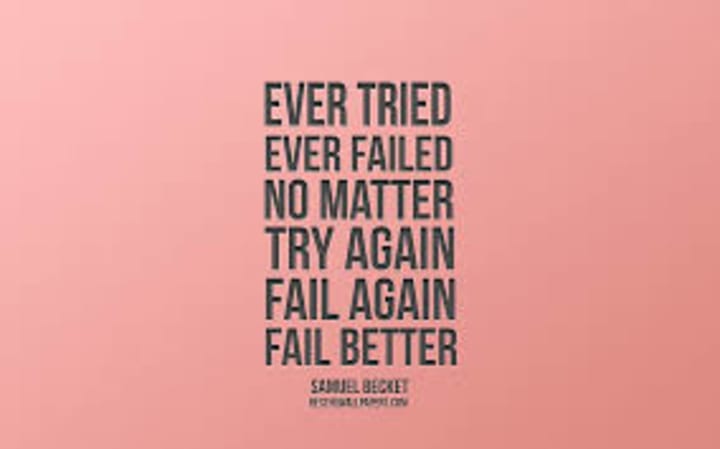
Samuel Beckett’s famous quote, “Ever tried. Ever failed. No matter. Try again. Fail again. Fail better,” teaches us an important lesson about failure. Failure is not the end, but a step on the path to success. Many people fear failure and avoid it, but Beckett’s words remind us that failing is part of growth. Instead of fearing failure, we should learn to fail better each time.
What Does “Fail Better” Mean?
Failing better means that every time we fail, we learn something new. We improve and get closer to our goal. It does not mean failing perfectly, but failing with more understanding and wisdom. When we fail better, we become stronger and more prepared to face the next challenge. This idea is powerful because it changes the way we see failure—from a defeat to a learning opportunity.
Examples from Life and Success Stories
Many successful people have failed many times before achieving their dreams. Thomas Edison, the inventor of the light bulb, failed thousands of times but kept trying. He said he didn’t fail but found 10,000 ways that didn’t work. His failures helped him finally invent the light bulb. This is a perfect example of failing better. Each failure taught Edison what not to do, leading him closer to success.
How Beckett’s Quote Applies to Everyday Life
In daily life, we all face failures—whether at school, work, or personal goals. Beckett’s message encourages us not to give up but to try again. For example, if a student fails a test, instead of feeling discouraged, they should study harder and try to understand their mistakes. This way, the next attempt will be better. Failing better means growing from each failure, not being defeated by it.
The Role of Mindset in Failing Better
Failing better starts with a positive mindset. We need to see failure as a teacher rather than an enemy. A growth mindset helps us embrace challenges, learn from criticism, and keep improving. If we believe we can grow through effort and failure, we are more likely to succeed. Beckett’s words inspire this mindset by showing that failure is natural and necessary.
Fail Better in Creative Work and Art
In creative fields like writing, music, or painting, failure is common. Artists often face rejection and criticism. But these failures help them refine their craft. Beckett himself was a writer who struggled before finding success. He knew that failing better meant rewriting, editing, and trying new ideas until his work improved. This approach applies to anyone pursuing creativity—fail, learn, improve, repeat.
How to Practice Failing Better Every Day
To fail better, start by accepting that failure is part of life. Next, analyze each failure honestly. What went wrong? What can be done differently? Set small goals to improve step by step. Celebrate progress, not just success. Surround yourself with supportive people who encourage learning from failure. By practicing this, failing becomes less scary and more useful.
Failing Better Builds Resilience
One of the greatest benefits of failing better is building resilience. Resilience is the ability to recover from setbacks. When we fail and try again, we become emotionally stronger. We learn patience, persistence, and courage. This resilience helps us face future problems with confidence. Beckett’s quote reminds us that every failure is a chance to build this strength.
Conclusion: Success Through Failing Better
Samuel Beckett’s secret to success is simple but powerful: don’t fear failure, learn from it. Fail better every time, and success will follow. This mindset transforms failure from a negative event into a positive step forward. Whether in school, work, art, or life, failing better helps us grow, improve, and reach our dreams. Embrace Beckett’s wisdom and try again—fail better.
About the Creator
majid ali
I am very hard working give me support
Keep reading
More stories from majid ali and writers in Motivation and other communities.
How Cristiano Ronaldo Found Inspiration in MrBeast’s Generosity
Cristiano Ronaldo is a name that shines bright across the world, known for his incredible football skills, fierce dedication, and countless records. Beyond his athletic achievements, Ronaldo has always been someone who cares deeply about giving back to others. Recently, a surprising source inspired a fresh outlook in him—MrBeast, the famous YouTuber known for his creative and generous acts. This story will explore how Ronaldo found new inspiration through MrBeast’s kindness and how it transformed the way he approaches charity.
By majid ali8 months ago in Motivation
Why We Compare Ourselves to Others
Have you ever scrolled through social media and suddenly felt like everyone else is doing better than you? Someone got a new job, someone started a business, someone is traveling, and another person seems to have the perfect life.
By Being Inquisitive3 days ago in Motivation



Comments
There are no comments for this story
Be the first to respond and start the conversation.