
Do You Doodle?
If you don't doodle, here are reasons that you should!

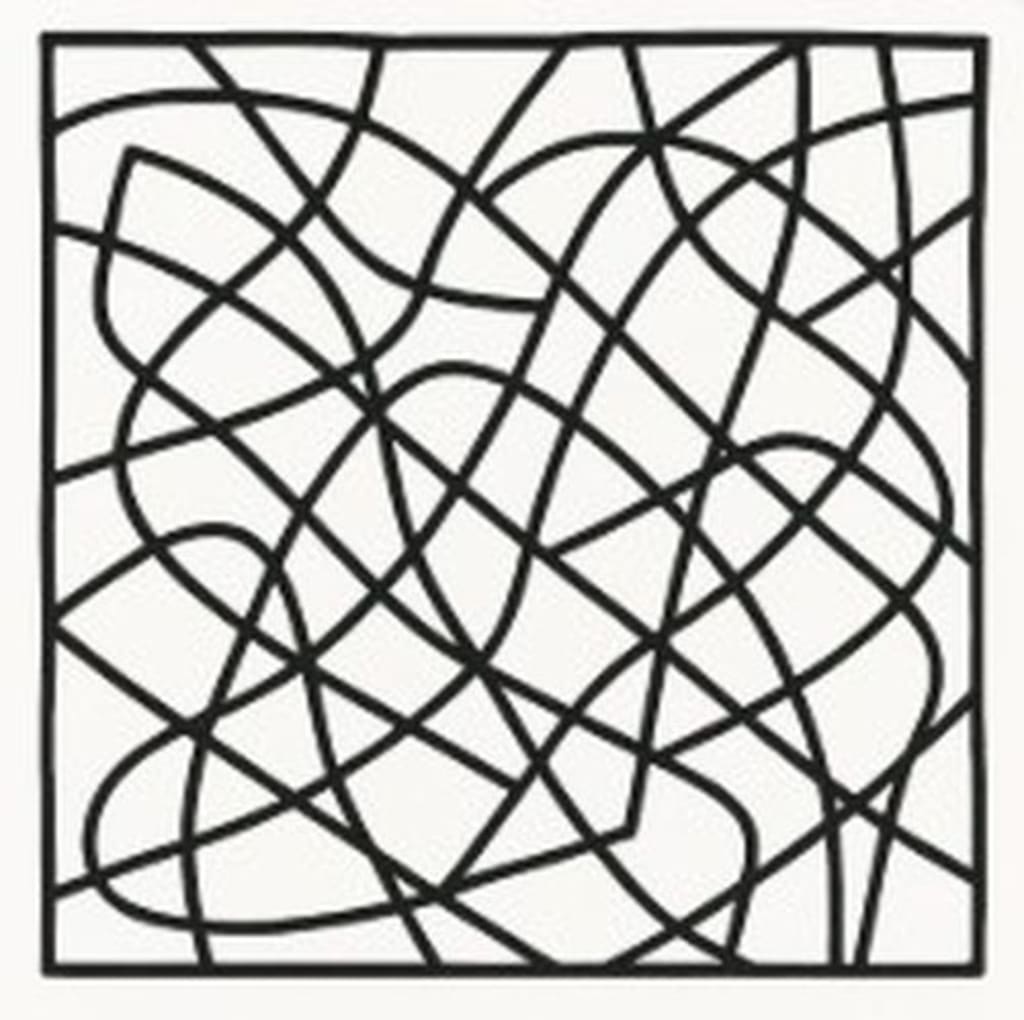
Some might think doodling is just a random collection of lines and shapes. However, doodling is so much more than that. If you have ever made lines in the margins of your notebook, then you are a doodler.
Doodling has long been misunderstood. For decades, it was dismissed as a sign of boredom or distraction—something students did when they weren’t paying attention, or adults did in boring meetings they wished would end.
What Is Doodling?
Doodling is a natural, creative, brain‑supporting tool that helps us stay present, process information, and tap into ideas we didn’t even know were forming.
Doodling is the casual action of drawing on paper, usually without a finished product in mind. The finished product is not the goal of doodling. While some doodle art looks cool when you are finished, doodling is more about being present and relaxing into the act of creating.
Doodling is the act of making spontaneous marks—shapes, lines, patterns, or tiny sketches—while the mind is focused on something else. It doesn’t require artistic skill or intention. You don’t have to be “good at drawing.” You don’t even have to know what you’re drawing. The pen moves, the hand follows, and something takes shape.
There is no right or wrong way to doodle.
Doodling shows up on the edges of notebooks, the backs of envelopes, church bulletins, meeting agendas, and grocery lists. It’s what you draw while waiting on the telephone, the checkerboard pattern you sketch during a long conversation, or any lines that appear when your mind is processing something deeper.
The Benefits Are More Than You Think
Doodling has many benefits. Neurologically, doodling activates the brain’s “default mode network,” the system that helps us make connections, recall memories, and organize thoughts. Instead of pulling us away from the moment, doodling keeps us lightly anchored to it.
Doodling isn’t a distraction. It’s a companion—one that helps us think, remember, and breathe a little easier.
1. Doodling Improves Focus
Research shows that people who doodle while listening actually retain more information than those who sit still trying to concentrate. The repetitive motion keeps the brain alert—especially during long meetings, lectures, and telephone calls.
2. Doodling Reduces Stress
There’s something soothing about letting your pen wander. It calms the nervous system. Many doodlers find that it is soothing to doodle during tense conversations. Repetitive patterns can have a calming, almost meditative effect.
3. Doodling Sparks Creativity
When the mind relaxes, ideas flow. Doodling opens the door to problem‑solving, brainstorming, and fresh perspectives. Architects, writers, engineers, and designers often use doodling as a warm‑up to get their creative energy moving.
4. Doodling Helps With Emotional Expression
Even simple shapes can reflect mood. Loops, grids, spirals, arrows, flowers—each carries a little piece of what we’re feeling. Doodling can serve as an emotional outlet, especially for people who don’t always express themselves verbally.
5. Doodling Supports Memory
Because doodling keeps the brain engaged, it helps information stick. It’s a gentle way of staying present without feeling pressured to “pay attention.”
Who Doodles?
Everyone doodles, even though some do it more than others. Children doodle. Adults doodle. Professionals doodle. Presidents doodle. Even people who insist they “can’t draw” doodle. It’s a universal human behavior.
My Doodles
I doodle all the time. Most of my doodles are made entirely of connected lines—loops, zigzags, swirls, grids, and flowing patterns. I doodle only abstract linework with no pictures, no objects, just the kind of connected, wandering marks I make when my mind is processing, and my hand is moving on its own.
No two of my doodles look the same. See that the one at the top is similar to this one, but they are different.
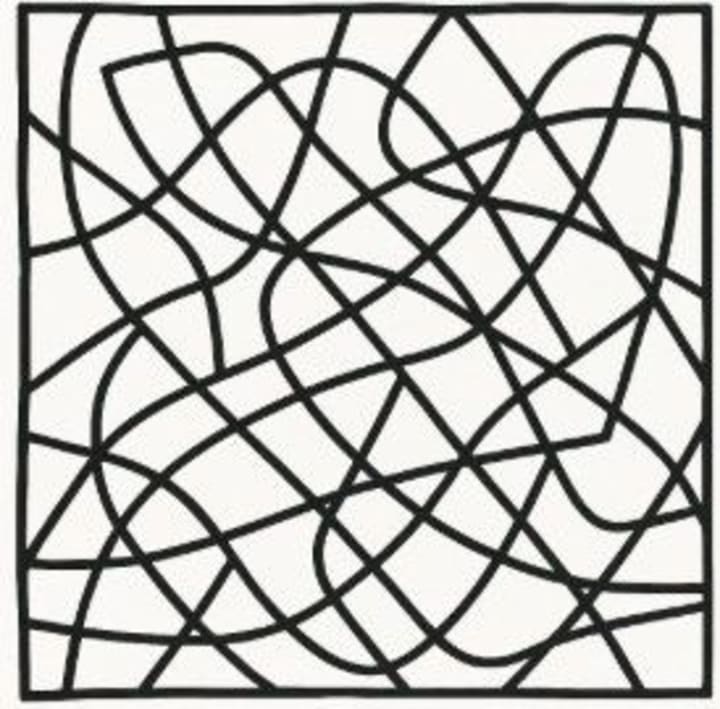
I doodle because it helps my brain think better and stay calm. It’s an exercise for my mind. Sometimes when my hands are busy drawing, my brain can listen and think more easily.
Why Every Doodle Is Unique
Doodling is spontaneous. Unlike planned drawings, doodles emerge in real time, often while the mind is focused elsewhere. That means each doodle reflects a different moment, mood, or mental rhythm.
Your hand follows your thoughts. Even if you start with the same shape or pattern, your mind’s flow will shift—changing the pressure, direction, and spacing of your lines.
There’s no template. Doodling isn’t copying or tracing. It’s freeform. Whether you’re looping, zigzagging, or spiraling, the choices are instinctive. That’s why even your own doodles don’t repeat.
It’s a fingerprint of presence. Doodling captures your attention, your energy, your now. That’s why it’s so personal—and why it can’t be duplicated.
Company of Doodlers
If you are a doodler, you are in great company. Notable literary doodlers have included Samuel Beckett and the poet and physician John Keats, who doodled in the margins of his medical notes.
Some doodles and drawings can be found in notebooks that belonged to the famous painter Leonardo da Vinci.
Many American presidents doodled during meetings, including Thomas Jefferson, Ronald Reagan, and Bill Clinton. Other presidents who created doodles while in office include Herbert Hoover, John F. Kennedy, Dwight D. Eisenhower, Lyndon B. Johnson, and Richard Nixon.
Try Doodling
Doodling has worked for me for many years. It can work for you also. The next time you’re on a long call, listening to a podcast, or sitting through a meeting, let your pen wander. Don’t judge the shapes. Don’t try to make anything perfect. Just let your hand move. You may be surprised by how much calmer, clearer, and more focused you will feel.
About the Creator
Margaret Minnicks
Margaret Minnicks has a bachelor's degree in English. She is an ordained minister with two master's degrees in theology and Christian education. She has been an online writer for over 15 years. Thanks for reading and sending TIPS her way.
Keep reading
More stories from Margaret Minnicks and writers in Motivation and other communities.
Pay Close Attention to Your Life
How do you describe your life? What are your recurring dreams, visions, and wishes? What themes have been running throughout your life? What do you think about and focus on most of the time? What do you think about when you wake up in the morning, during the day, and when you go to bed at night? What brings you joy?
By Margaret Minnicks2 days ago in Motivation
One Hard Thing
Stop me if you’ve heard this one before: You have the number, you know your schedule- you’ve even picked out the perfect day and time to make this appointment. Shoot, you’ve even picked out alternative days and times just in case their schedules can’t accommodate you!
By Taylor Rigsby23 days ago in Motivation




Comments
There are no comments for this story
Be the first to respond and start the conversation.