
Do not let yourself get affected by these factors
Be opportunistic!

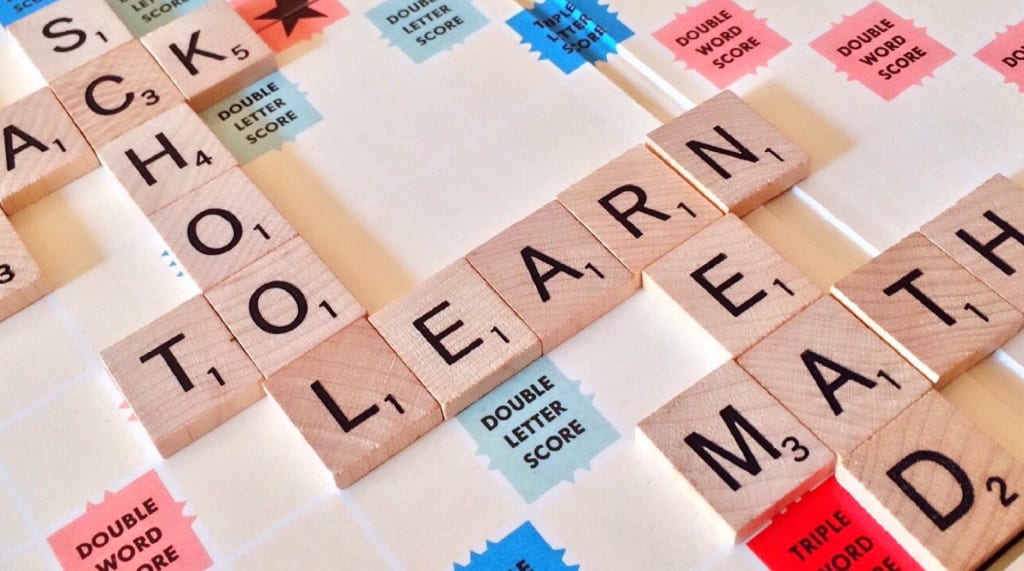
The process of obtaining new information, understanding, skills, attitude, behavior, and preferences is referred to as learning. Learning is itself an end goal. It is a process that involves both your emotions and your brain. A person's capacity to learn begins the moment they are born, and they continue to make adjustments to their behavior as a result of the experiences—both direct and indirect—they have throughout their lives.

The environment in which learning takes place often has an effect on the process of learning itself, which is ongoing. The ability of an individual to learn is influenced by a number of things, including the individual's circumstances as well as the environment in which they are immersed. Studying in an atmosphere conducive to good health allows one to develop a more profound comprehension of the material as well as a solid foundation of knowledge on the topic.
Therefore, in order to improve one's performance, it is vital to be aware of the environmental elements that impede the learning process of an individual and to understand how to avoid engaging in activities that are likely to have a negative impact. Learning has been made simpler and more readily available because of the rise of online and other forms of distance education, which became the standard during the time of the worldwide pandemic.
Students may now participate in their high school and university lessons online from the comfort of their own homes and have instantaneous access to all the relevant material. Students who are interested in studying the environment and how it affects the learning process may discover free essays on the topic of the environment online.

Both the educational system and the way that people learn have been profoundly affected by the epidemic, which occurred about the same time that online learning first became available. Despite its many positive effects, it has led to an uneven distribution of resources within the educational system. Students who have access to various electronic devices and broadband internet are in a better position to succeed academically than their peers who do not have these advantages.
The families that the children are a part of might be nuclear or joint. The student may be able to find solitude and a calm study atmosphere in a nuclear family, but it's unlikely that anybody would be willing to help them with their education. In spite of the additional noise and clutter that may be present in a joint household, children have the opportunity to meet new people who may assist and encourage them in their academic endeavors, allowing them to improve their learning. Therefore, the number of people living in a household has both positive and negative effects on the children's ability to acquire knowledge.
The children's perceptions and capacities for thought are shaped by the culture that is instilled in them while they are still young. As a result, the learning process is influenced by the culture of the family, the traditions of the family, religion, and other elements comparable to these.

The children's academic inclusivity and performance while they are learning are impacted by the socioeconomic position of the home in which they are raised. The educational aspirations that parents have for their children and the degree to which those children participate in school are also influenced by the parent's socioeconomic status. If a student's family has a better social standing, there is a greater likelihood that educational possibilities will be made available to them and vice versa.
Parents are their children's primary caregivers and play a key part in the development of their children's personalities, cognitive abilities, and behavioral patterns. They have an indirect but direct impact on the academic development of youngsters. Children take on some of their parents' characteristics and also pick up other characteristics throughout their formative years as a direct result of the actions of their parents.
Parents are their children's first and most important instructors. Parents, actions, character, degree of intellect, attitude, and personality are some of the factors that might have an impact on a child's learning.
Thanks for reading! If you enjoyed this and gained any value, supporting with a small tip is greatly appreciated!
About the Creator
The Breatharian Blogger
Here to inspire you on your journey. ✊🏾
Connect with me on IG @jromeshaw
Keep reading
More stories from The Breatharian Blogger and writers in Motivation and other communities.
Be positive in all situations
Do you ever find yourself wondering how to stop thinking in a negative way and how to start thinking in a positive way? Do you often find yourself asking, "How can I think positively?" If you find that the majority of the ideas that go through your head are often negative, you should give some consideration to how you might break this pattern. You may have developed this behavior at a young age, which has led to you being a miserable, irritable, and dissatisfied person, but you have the ability to break it.
By The Breatharian Blogger3 years ago in Motivation
Corrosion Resistance That Endures: The Strength of Hot-Dip Galvanized Steel
Steel remains essential to infrastructure, manufacturing, and development across the nation. However, corrosion constantly threatens its durability and performance. When steel comes into contact with moisture and oxygen, rust begins to form and slowly spreads. Over time, this process weakens structures and increases safety risks. Therefore, engineers and asset owners seek protection methods that deliver long-term reliability. Hot-dip galvanizing provides a proven answer to this ongoing challenge.
By Frontier Galvanizingabout 21 hours ago in Motivation
How to Succeed at the Benson Directory®
Congratulations and welcome to the Benson Directory® employee #22391! As our newest call handler, you will have the privilege of speaking with dozens of unique and interesting people on a daily basis as well as the opportunity to earn bonuses for high performance. Contained within this handbook you will find a set of ease to follow instructions designed to help you settle in to your new role and begin paving the way to success.
By S. A. Crawfordabout 20 hours ago in Fiction




Comments
There are no comments for this story
Be the first to respond and start the conversation.