
Digital Detox: Why Unplugging Can Make You Happier, Smarter, and More Focused
Discover the Power of Unplugging for a Healthier, More Focused Life

Let’s be honest for a second: how often do you catch yourself unlocking your phone without even realizing it? Maybe you're waiting in line, watching TV, or even talking to someone—and your thumb just knows what to do. No real reason. Just habit.
We’ve all been there. In fact, for most of us, it’s our default setting now. Wake up, check phone. Get a break at work, check phone. Can’t sleep, scroll aimlessly. But here's the kicker: despite being more “connected” than ever, a lot of us feel more distracted, more anxious, and weirdly... alone.
This is where the idea of a digital detox steps in—not as some extreme anti-tech movement, but as a much-needed breather. Think of it like a reset button for your brain.
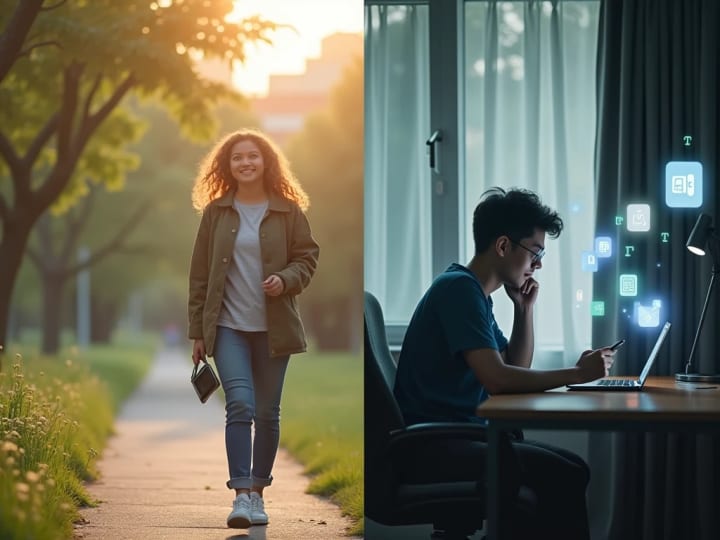
We’re Wired… Literally
Phones, tablets, laptops, smartwatches—we carry the internet in our pockets. We sleep beside it, eat while scrolling, even watch videos while watching other videos. Technology has become so deeply woven into our routines that we don’t even question it anymore.
And here’s the thing: these apps and platforms? They’re not just “there.” They’re designed to be addictive. Every notification, like, or message triggers a dopamine hit—the brain’s reward chemical. It’s the same stuff behind gambling and sugar cravings. So it’s not just in your head when you say, “I can’t put this down.” You really can’t. At least, not easily.
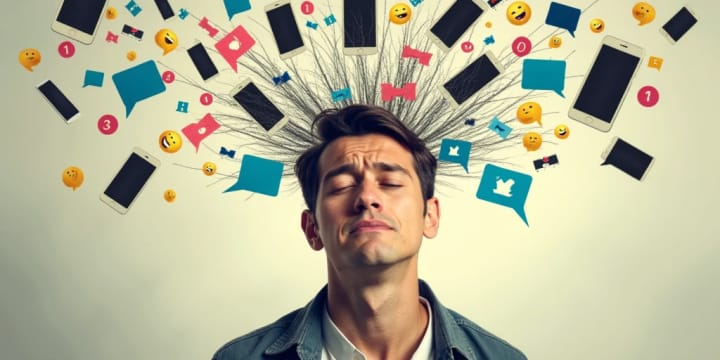
The Cost of Always Being Online
It starts out innocent: “I’ll just check Instagram real quick.” Next thing you know, it’s been 45 minutes, and you’re deep in a comment thread about a celebrity wedding you don’t even care about.
This constant digital overload has side effects, and we’re all feeling them—even if we don’t realize it. Here’s what being too connected can lead to:
Mental exhaustion — Your brain doesn’t get downtime.
Anxiety — Especially from news, comparison, and the pressure to keep up.
Sleep issues — Blue light messes with your melatonin.
Shorter attention spans — Jumping between apps trains our brain to be easily distracted.
Weaker real-world relationships — Ever sat in a room where everyone’s on their phone? Yeah.
It’s like trying to drink from a fire hose all day. Eventually, something’s gonna overflow.

What Happens When You Step Away
Here’s the part people don’t expect: when you finally unplug—even just for a day—you notice things.
You notice the quiet. The peace. The birds outside your window. The feeling of holding a real book. The way time slows down when you’re not bouncing between apps. It's weird at first, sure. You might feel a little twitchy. But after that? It feels like a deep breath.
People who take even short digital detoxes report:
Better sleep
Clearer thinking
Improved focus
Less anxiety
More energy
Stronger connections with people around them
It’s not magic. It’s just your brain finally getting to rest and reset.
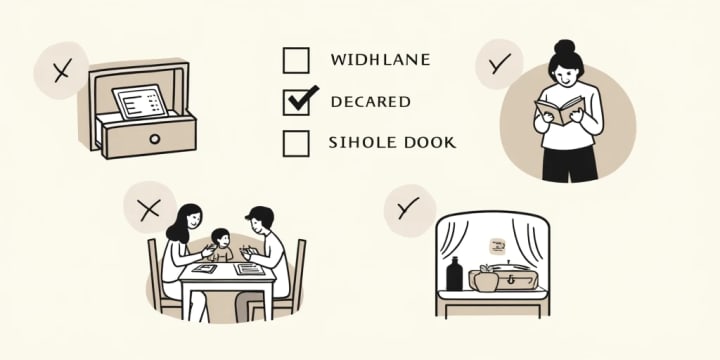
How to Try It Without Going Off the Grid
You don’t have to quit cold turkey or go live in the woods. A digital detox can be small and still life-changing. Here’s how to dip your toes in:
Set “No Phone” Zones – The dinner table, your bed, or even your morning routine.
Schedule Screen-Free Time – Even one hour a day with zero screens can feel amazing.
Turn Off Push Notifications – You don’t need to be alerted about everything.
Delete Just One App – Start with the one that eats the most time (looking at you, TikTok).
Replace the Habit – Keep a book nearby. Go for a walk. Journal. Call someone instead of texting.

A Real-Life Reset
A friend of mine did a weekend digital detox—Friday evening to Sunday night. No phone, no laptop, no Netflix. She said the first few hours felt like withdrawal. She kept reaching for her phone out of habit, even though she knew it wasn’t there.
But by Saturday morning, something shifted. She made breakfast without checking emails. She went for a walk without music or a podcast in her ears. She even ended up sketching in a notebook—something she hadn’t done in years. And when Monday rolled around, she said she felt like she’d finally slept. Like her mind had been on mute, and now it was clear again.

Final Thoughts
We’re not saying throw away your phone or abandon the internet. Tech is amazing. It connects us, teaches us, entertains us. But when we never disconnect, we lose the ability to just be.
So give it a shot. A day. An hour. Even just a meal. Step away from the noise, the scrolling, the alerts. You might be surprised by what’s waiting for you on the other side of silence.
It’s not about going offline forever. It’s about remembering that you’re allowed to.
And sometimes? That’s exactly what your mind needs most.
About the Creator
Keep reading
More stories from Mantha Pantha and writers in Motivation and other communities.
The Power of Consistency
We often dream big. We want to be successful, healthy, financially free, or creatively fulfilled. But when it comes to taking the steps to get there, we hesitate. Not because we don’t want it badly enough, but because we often believe that big goals require big actions. Here’s the truth: they don’t. What they require, more than anything else, is consistency.
By Mantha Pantha11 months ago in Motivation
Amparo Araneta - Building Sanctuaries Where Beauty, Wellness, and Community Converge
Araneta’s story begins in the world of beauty and wellness, where her natural instinct for transformation first emerged. Trained as an esthetician and beautician, she expanded her practice into holistic aromatherapy, blending physical care with emotional and spiritual well-being. For Araneta, beauty has never been superficial. Instead, she views it as a restorative process—one capable of rebuilding confidence, dignity, and inner balance.
By Variety Press3 days ago in Motivation
The Refugee Who Built a $19 Billion Empire: The Raw, Untold Story of Jan Koum
Look down at your phone right now. If you are like billions of other people on this planet, there is a small, green icon sitting on your home screen. You tap it to talk to your mother across the country. You use it to close business deals, send photos of your children, and stay connected with friends on entirely different continents.
By Frank Massey 7 days ago in Motivation



Comments
There are no comments for this story
Be the first to respond and start the conversation.