
David Goggins’ Brutal Childhood: How Pain, Discipline, and Mindset Created a Warrior
Turning Pain into Power

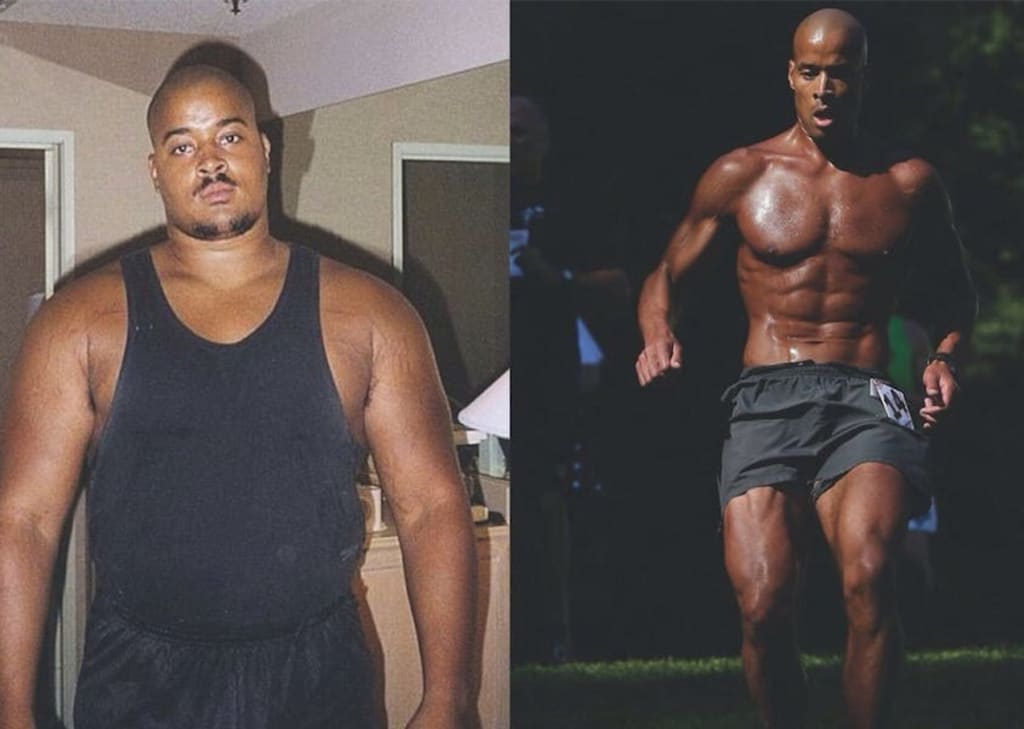
David Goggins, renowned for his extraordinary mental toughness and physical endurance, didn't emerge from a life of comfort. His journey from a traumatic childhood to becoming a symbol of resilience is both harrowing and inspiring.
Early Life and Family Background
Born on February 17, 1975, in Buffalo, New York, David was the son of Trunnis and Jackie Goggins. He had an older brother, Trunnis Jr. The family resided in Williamsville, a neighborhood that outwardly seemed idyllic. However, behind closed doors, their home was a realm of turmoil. Trunnis Sr. owned Skateland, a roller-skating rink in East Buffalo. From the tender age of six, David, alongside his mother and brother, was compelled to work long hours at the rink, often late into the night, organizing skates and maintaining the facility.
Abuse and Family Turmoil

The laborious nights were compounded by an environment of fear and violence. Trunnis Sr. was abusive, subjecting his family to physical and emotional torment. David's mother, Jackie, bore the brunt of this abuse, and the children were not spared. The constant exposure to such brutality left deep psychological scars on young David. In a courageous move to protect her children and herself, Jackie fled with David to Brazil, Indiana, seeking refuge and a fresh start.
Educational Struggles and Racial Discrimination
Relocating to Indiana presented its own set of challenges. David enrolled in the second grade but had to repeat it due to significant educational gaps. The years of working at Skateland had deprived him of proper schooling, leading to reading difficulties and a noticeable stutter. Moreover, being one of the few Black students in a predominantly white school, David faced blatant racism. Incidents ranged from racial slurs defacing his belongings to direct threats from local racist groups. This toxic combination of academic struggles and social alienation further eroded his self-esteem.
Turning Points and Personal Resilience

Amidst these adversities, David's mother remained a pillar of support. She advocated fiercely for his right to standard education, resisting suggestions to place him in special education solely based on his setbacks. This unwavering belief in his potential planted seeds of resilience in David. He began to internalize a mindset of perseverance, viewing challenges as opportunities to fortify his character.
Lessons in Mental Toughness
The crucible of David's early life forged principles that would later define his philosophy:
- Embracing Discomfort: David learned that true growth stems from stepping outside one's comfort zone. His childhood hardships taught him to endure and thrive amidst discomfort.
- Relentless Accountability: Facing his flaws head-on, David adopted rigorous self-assessment practices, holding himself accountable for his actions and choices.
- The 40% Rule: He developed the belief that when the mind signals exhaustion, it's only utilized 40% of its potential. This perspective drove him to push beyond perceived limits.
Goggins' Advice for Overcoming Adversity
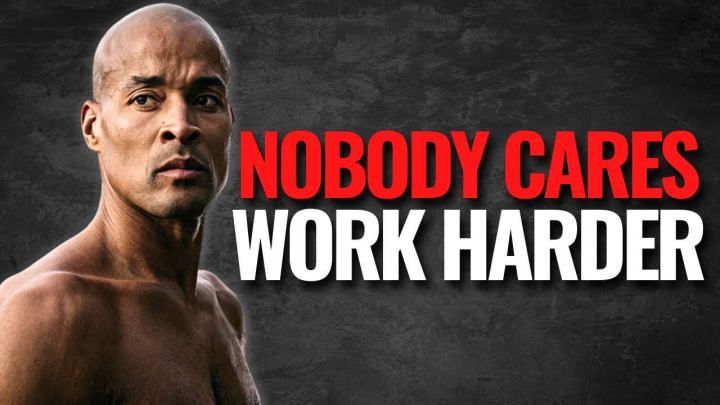
Drawing from his experiences, David offers actionable insights:
The Accountability Mirror: He advises individuals to confront their truths candidly. By writing down insecurities and goals on sticky notes and placing them on a mirror, one is compelled to face and address them daily.
Building Calloused Minds: David emphasizes the importance of seeking challenges that toughen the mind. Just as hands develop callouses through manual labor, the mind strengthens through enduring hardships.
Conclusion
David Goggins' journey from a traumatic childhood to becoming an emblem of mental fortitude underscores the transformative power of pain, discipline, and an unyielding mindset. His life serves as a testament to the human spirit's capacity to overcome, adapt, and thrive. By embracing his principles, we too can navigate our challenges and emerge stronger.
About the Creator
Keep reading
More stories from Liam Osuos and writers in Motivation and other communities.
How I Finally Beat Procrastination (and You Can Too)
Procrastination has this quiet way of creeping into your life without you even realizing it. One day you’re pushing a task “for later,” and suddenly weeks have gone by and you’re still stuck in the same place—frustrated, overwhelmed, and wondering why getting started feels impossible. For years, I told myself I worked “better under pressure,” but all that really meant was that I waited until the very last moment, stressed myself out, and delivered work that I knew I could’ve done better.
By Liam Osuos3 months ago in Motivation
Who Are the Top 10 Influential Women in Leadership and Politics in the USA?
Women have played a powerful role in shaping American politics, policymaking, and social change. Over the decades, many Influential Women have broken barriers, led major political reforms, and inspired future generations of leaders.
By influentialwomenmagazine7 days ago in Motivation




Comments
There are no comments for this story
Be the first to respond and start the conversation.