
How I Finally Beat Procrastination (and You Can Too)
The simple mindset shift and daily habits that helped me break the cycle—and can help you regain focus, motivation, and control.

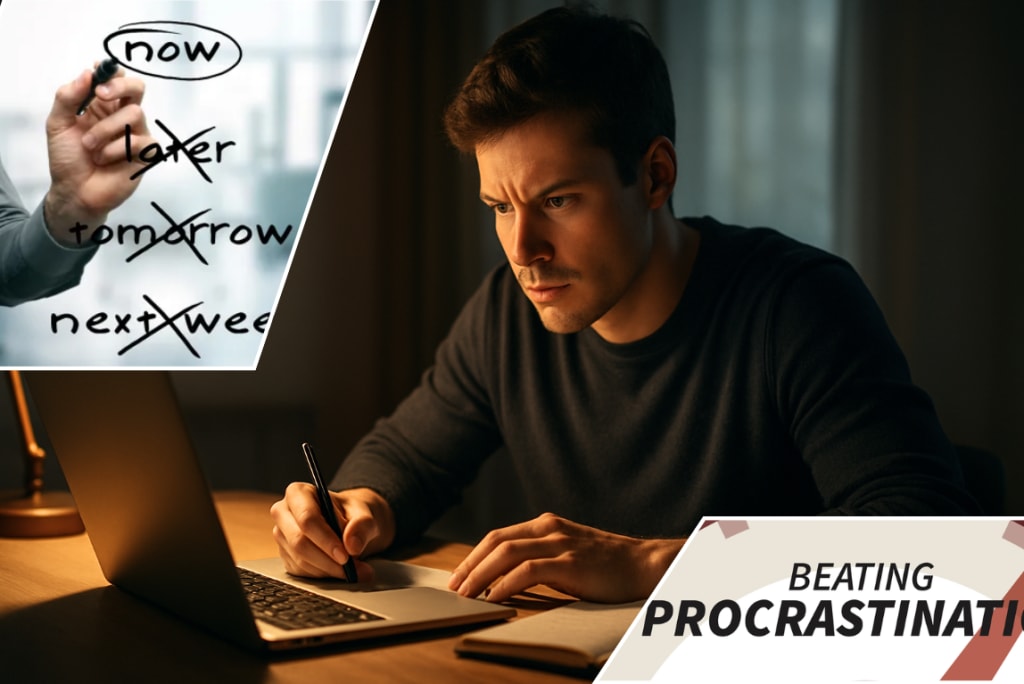
Procrastination has this quiet way of creeping into your life without you even realizing it. One day you’re pushing a task “for later,” and suddenly weeks have gone by and you’re still stuck in the same place—frustrated, overwhelmed, and wondering why getting started feels impossible. For years, I told myself I worked “better under pressure,” but all that really meant was that I waited until the very last moment, stressed myself out, and delivered work that I knew I could’ve done better.
If that sounds familiar, you’re definitely not alone. Procrastination is one of the most universal struggles people face—students, professionals, freelancers, creators, literally everyone. And despite what many productivity gurus say, it’s not just laziness. It’s deeper than that. It’s emotional resistance.
Today, I want to share the honest journey of how I finally broke the cycle, the mistakes I made, and the exact steps that helped me build consistency. If you’re tired of feeling stuck, these insights might be exactly what you need to turn things around.
My Breaking Point: When “Later” Became a Lifestyle

For a long time, I convinced myself that my procrastination wasn’t a problem. I still got things done—just not well, not calmly, and definitely not on time. Eventually, the stress built up so much that even small tasks started to feel huge. I found myself avoiding assignments, skipping opportunities, and wasting entire days on my phone because starting felt uncomfortable.
The real wake-up call came when I missed a deadline for something important. Not because the task was difficult… but because I waited too long. I felt embarrassed and angry at myself, but most of all, I felt stuck.
That day, I made a decision: I needed to understand why I procrastinated—not just try to force productivity.
The Mindset Shift That Changed Everything

The biggest realization I had was this:
Procrastination isn’t a time problem. It’s a feelings problem.
Most of the time, you delay tasks because they trigger certain emotions:
- fear of failing
- fear of not doing it perfectly
- fear of not knowing where to start
- feeling overwhelmed
- feeling bored or uninspired
The moment I accepted that procrastination was emotional—not a character flaw—I finally started improving. Instead of fighting myself, I started working with my mind.
Here’s what helped the most:
1. I Stopped Waiting to “Feel Motivated”

Motivation is unreliable. It comes and goes. If you wait for it, you’ll wait forever.
So instead of depending on motivation, I learned to depend on momentum.
I started with a rule that genuinely changed my life:
The 5-Minute Start Rule
Tell yourself: I’ll only do this for five minutes.
Five minutes is easy. It’s harmless. It’s not scary. And almost every time, those five minutes turn into twenty, thirty, or even an hour. The hardest part has always been starting, and this trick makes that first step painless.
2. I Removed Friction (The Hidden Enemy)
Sometimes, the reason you delay a task is because there’s a small obstacle in the way—your laptop is in another room, your desk is a mess, or you don’t know which file to open first.
Those tiny barriers feel huge when you’re already unmotivated.
I fixed this by preparing everything the night before:
- charging devices
- opening necessary tabs
- clearing my desk
- listing the exact starting point
By reducing friction, starting became almost automatic.
3. I Broke Every Task Into Micro-Steps

Big tasks feel intimidating. But small tasks feel doable.
Instead of writing “Finish assignment,” I broke it into steps like:
- open document
- write the title
- outline three points
- write introduction
Suddenly, the job didn’t feel overwhelming anymore.
4. I Made Distractions Physically Harder
Let’s be honest—procrastination often comes from our phones.
So I built a system:
- I placed my phone in a different room.
- I used website blockers during work sessions.
- I turned off non-essential notifications.
Making distractions less accessible made focus so much easier.
5. I Rewarded Myself for Showing Up, Not Finishing Perfectly
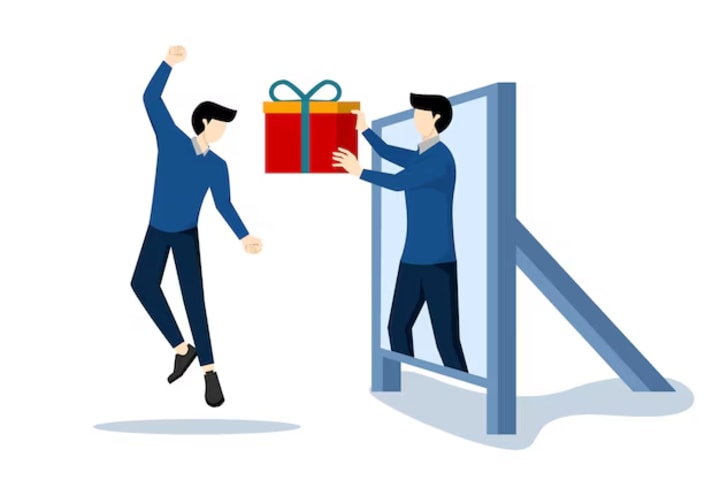
Perfectionism fuels procrastination. To overcome it, I started celebrating progress instead of perfection.
A small reward for completing a step—like a snack, a break, or a few minutes of scrolling—kept me consistent without burning out.
6. I Practiced Self-Honesty (Without Being Harsh)
I stopped lying to myself with:
“I’ll do it later.”
“I have plenty of time.”
“I’ll start after this video.”
And I replaced those thoughts with:
“Starting now will make my life easier.”
“Future me will thank me.”
“I don’t have to finish; I just need to begin.”
This shift made everything feel lighter and more manageable.
What Happened After I Beat Procrastination

I didn’t magically transform into a productivity machine overnight. But slowly, day by day, I gained:
- more confidence
- more free time
- less stress
- better quality work
- a sense of control
The best part? I finally felt proud of myself again—not because I was perfect, but because I was consistent.
And that’s all you really need.
How You Can Break the Cycle Starting Today
If you’re tired of procrastinating, try these simple steps:
- Start for five minutes
- Prepare your workspace in advance
- Break tasks into micro-steps
- Keep your phone far away
- Celebrate progress, even small wins
- Speak to yourself with kindness
You don’t need a complicated productivity system. You just need small, repeatable habits that fit your life.
Procrastination doesn’t have to define you. You can break it. You can rewire your habits. And you can build the discipline you’ve been wanting for years.
If I did it—someone who used to delay everything—you can absolutely do it too.
About the Creator
Keep reading
More stories from Liam Osuos and writers in Motivation and other communities.
Igniting Bold Ideas: A Practical Guide to Entrepreneurial Spirit
The world moves forward because people dare to build something new. Behind every small startup and global brand is one powerful force: entrepreneurial spirit. This mindset pushes people to see problems as chances and ideas as action steps. When you understand how the entrepreneurial spirit works, you begin to see opportunities where others see limits.
By Andrew Lake5 days ago in Motivation
Trickle Them Down, But Not Out
The thing about smart people is that they should know better, but alas, intelligence is not the same as wisdom. Not only do the mistakes of experts too short on vision—when they are not corrected—have the potential to do great and far-reaching damage, but they also undermine public confidence in the very notion of expertise. This is particularly so when expertise is wielded in defence of the rich and powerful as a cudgel against those laid low. As an academic, this lack of faith in “so-called experts” is painful to see as it plays out in the spread of dis-/misinformation, conspiracy theories, and anti-intellectualism writ large. But it is also an understandable impulse given the catastrophic failure of an economic ideology pushed by certain economic experts. Supply-side economics has shaped a broken system for the last half-century and has arguably done more to undermine the fabric of the American Dream than any policy framework of the past century.
By Cory Wright-Maley4 days ago in Humans


Comments
There are no comments for this story
Be the first to respond and start the conversation.