
Cultivating Emotional Intelligence for Better Relationships
Unlocking the Power of Emotional Intelligence: Practical Steps to Build Stronger, More Meaningful Relationships

Cultivating Emotional Intelligence for Better Relationships
Introduction
Have you ever felt misunderstood in a conversation or struggled to connect with someone emotionally? Emotional intelligence (EI) is the key to unlocking deeper, more meaningful relationships in every aspect of life—be it personal, professional, or social. EI isn’t just about managing emotions; it’s about using empathy, understanding, and communication to strengthen bonds and resolve conflicts.
In this article, we’ll explore real-life examples, share actionable tips, and provide step-by-step guides to help you cultivate emotional intelligence. Whether you're a beginner seeking to enhance interpersonal skills or someone wanting to strengthen existing relationships, this guide has something for everyone.
---
What is Emotional Intelligence?
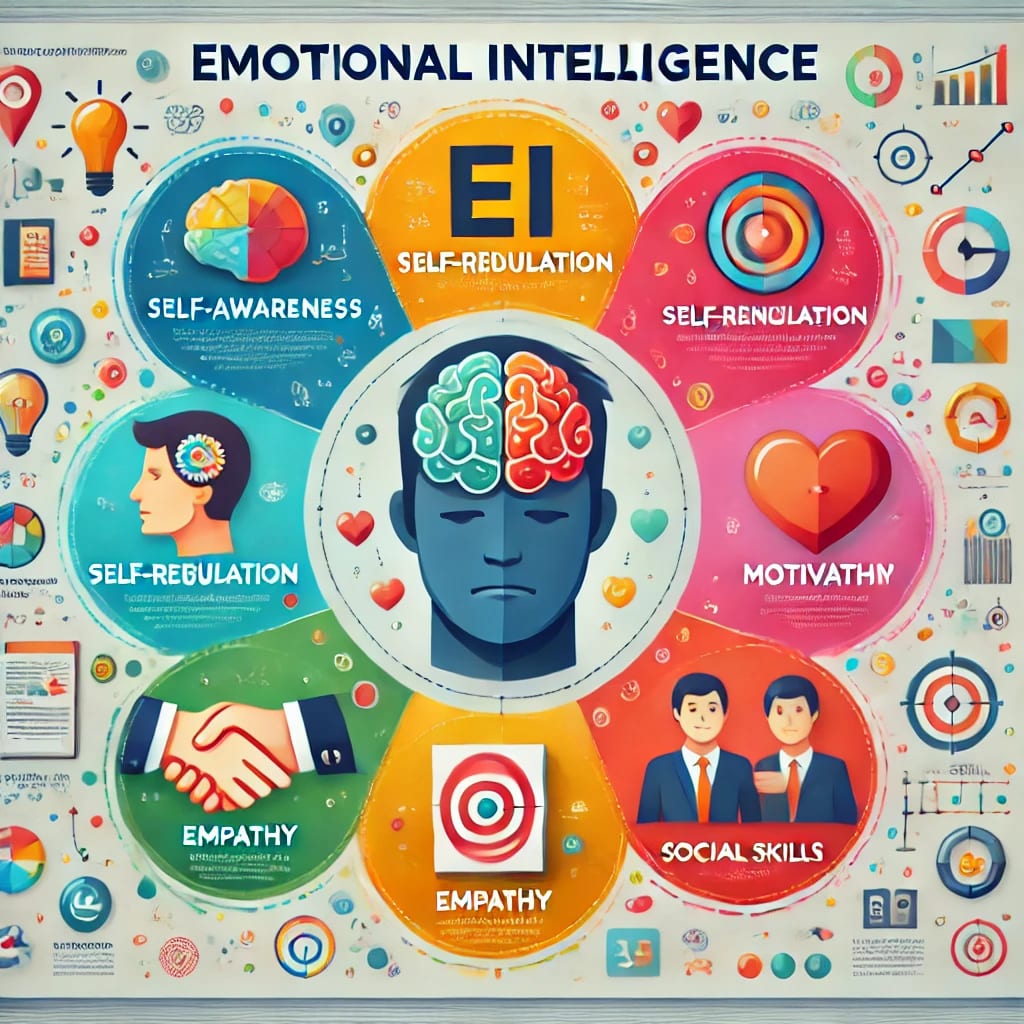
Emotional Intelligence is the ability to recognize, understand, and manage your own emotions while also being attuned to the emotions of others. Psychologist Daniel Goleman identified five components of EI:
1. Self-awareness – Recognizing your emotions.
2. Self-regulation – Managing your reactions.
3. Motivation – Staying focused and positive.
4. Empathy – Understanding others' feelings.
5. Social skills – Building healthy interactions.
---
The Impact of Emotional Intelligence on Relationships
Studies show that high emotional intelligence leads to healthier and happier relationships. According to a 2017 study in "The Journal of Social Psychology", couples with high EI resolve conflicts more effectively and report greater satisfaction. Similarly, workplaces with emotionally intelligent leaders experience better team cohesion and productivity.
Real-Life Story: Emma and the Power of Empathy
Emma, a team manager, noticed tension during a team meeting. Instead of addressing the conflict with authority, she practiced active listening, acknowledged everyone’s feelings, and helped the team brainstorm solutions together. Her empathetic approach improved morale and trust within the group, illustrating the transformative power of EI in action.
---
Steps to Cultivate Emotional Intelligence
1. Develop Self-Awareness
How:
- Reflect on your emotions by journaling daily.
- Identify emotional triggers and patterns.
- Real-life Example:
John realized he often became irritable during tight deadlines. By recognizing this, he started practicing mindfulness to manage his stress.
- Action Tip:
Use apps like Moodnotes or Daylio to track your emotions and analyze trends.
2. Practice Active Listening
How:
- Focus on the speaker without interrupting.
- Paraphrase what they’ve said to show understanding.
- Relatable Story:
Sarah, a parent, strengthened her relationship with her teenager by actively listening during difficult conversations instead of offering immediate solutions.
- Action Tip:
Set a timer for 2 minutes during conversations and dedicate this time solely to listening.
3. Enhance Empathy
How:
- Put yourself in others’ shoes.
- Ask open-ended questions to understand perspectives.
- Expert Insight:
Dr. Brené Brown emphasizes that empathy isn’t about solving problems—it’s about connecting with others’ emotions.
- Action Tip:
During your next conversation, ask, “How are you really feeling?” and validate the response without judgment.
4. Manage Your Emotions
How:
- Use breathing exercises or meditation to calm down.
- Reframe negative thoughts into positive ones.
- Example:
When Maria faced criticism at work, instead of reacting defensively, she paused, took deep breaths, and responded with a constructive question.
- Action Tip:
Practice the 4-7-8 breathing technique: Inhale for 4 seconds, hold for 7, and exhale for 8 seconds.
5. Strengthen Social Skills
How:
- Practice gratitude by appreciating others regularly.
- Collaborate on tasks to build trust.
- Story:
In a group project, Mark sent personalized thank-you notes to his teammates. This small gesture boosted the group’s motivation and camaraderie.
- Action Tip:
Start a weekly habit of expressing gratitude—either verbally or in writing.
---
Challenges in Developing Emotional Intelligence
1. Overcoming Emotional Barriers
Past traumas or unresolved issues can block self-awareness. Therapy or counseling can help address these barriers.
2. Building Habits
Cultivating EI requires consistent effort, which can be challenging without accountability.
3. Misinterpreting Emotions
Assumptions about others’ feelings can lead to misunderstandings.
Action Tip:
Set monthly goals for specific EI components, such as improving active listening. Track your progress through feedback from trusted friends or colleagues.
---
Call to Action
Emotional intelligence isn’t built overnight, but small, consistent steps can lead to profound improvements in your relationships. Try these steps for a week and share your results in the comments. What worked for you? What challenges did you face? Let’s learn and grow together!
---
FAQs
1. Can emotional intelligence be learned at any age?
Yes! EI is a skill that can be developed with practice, regardless of age.
2. How does emotional intelligence improve workplace relationships?
I fosters better communication, empathy, and conflict resolution, creating a harmonious work environment.
3. What is the best way to measure emotional intelligence?
You can measure EI through self-assessment tools, feedback from peers, or standardized tests like the Emotional Quotient Inventory (EQ-i).
4. How long does it take to improve emotional intelligence?
While progress varies, you can notice significant changes within a few months with consistent effort.
5. Can emotional intelligence help with anxiety?
Yes, managing emotions and practicing mindfulness can reduce anxiety and improve mental well-being.
---
Please don’t forget to leave a review.
Explore more by joining me on
[Vijay Verma]
(https://shopping-feedback.today/authors/vijay-verma%29%3C/p%3E%3C/div%3E%3C/div%3E%3C/div%3E%3Cstyle data-emotion-css="1x3zcuc-StoryContent">.css-1x3zcuc-StoryContent{pointer-events:none;}
About the Creator
Keep reading
More stories from Vijay Verma and writers in Motivation and other communities.
Rise to the Peak: Unlock Your Inner Drive to Achieve Greatness
Rise to the Peak: Unlock Your Inner Drive to Achieve Greatness --- The Power to Thrive Is Within You Imagine waking up every day feeling driven, energized, and focused, knowing you’re moving closer to your goals. Sounds incredible, right? Yet, many of us feel stuck in a cycle of procrastination, self-doubt, and frustration. What if I told you that with the right mindset and strategies, you could turn this around and achieve more than you ever thought possible?
By Vijay Vermaabout a year ago in Motivation



Comments (1)
Explore more by joining me on [Vijay Verma] https://shopping-feedback.today/authors/vijay-verma%3C/span%3E%3C/span%3E%3C/span%3E%3C/a%3E%3C/p%3E%3C/div%3E%3C/div%3E%3C/div%3E%3Cstyle data-emotion-css="w4qknv-Replies">.css-w4qknv-Replies{display:grid;gap:1.5rem;}