
Building Resilience: Strategies for Overcoming Life's Challenges
Overcoming Life's Challenges
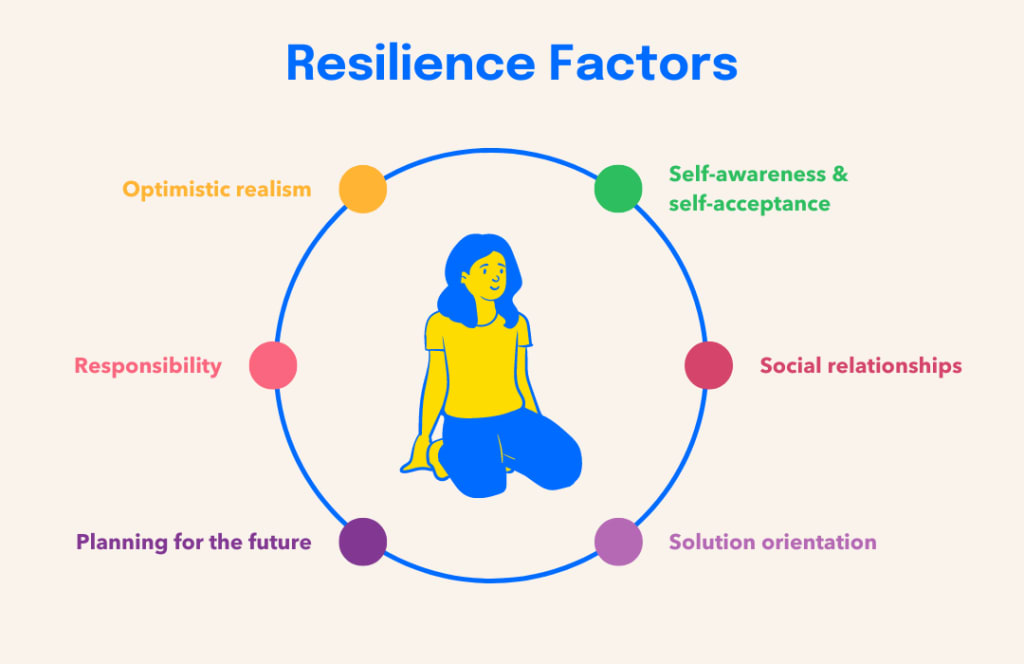
Building resilience is a crucial skill for navigating the unpredictable landscape of life. It encompasses the ability to recover from setbacks, adapt to change, and maintain a positive outlook despite challenges. Resilience is not merely about bouncing back; it involves growth and transformation, allowing individuals to emerge stronger and more capable after facing adversity.
At the core of resilience lies a growth mindset—the belief that abilities and intelligence can be developed through dedication and hard work. This perspective transforms challenges into opportunities for learning rather than viewing them as insurmountable obstacles. When faced with difficulties, resilient individuals analyze their experiences, extract valuable lessons, and apply this knowledge in future endeavors. This proactive approach fosters continuous personal development and enhances self-awareness.
Embracing acceptance is another vital component of resilience. Acknowledging that challenges are an inherent part of life allows individuals to cultivate a mindset that is open to learning and growth. Acceptance does not imply resignation; instead, it encourages a constructive response to adversity. By recognizing that struggles are natural, one can focus on actionable steps rather than getting bogged down by feelings of helplessness.
Building strong relationships also plays a significant role in fostering resilience. Social support provides emotional encouragement and practical assistance during tough times. Engaging with friends, family, or community groups creates a network of support that reminds individuals they are not alone in their struggles. This connection can provide alternative perspectives and solutions to problems, enhancing one's ability to cope effectively.
Moreover, self-care is essential for maintaining resilience. Physical health directly influences mental well-being; thus, prioritizing healthy habits such as regular exercise, balanced nutrition, and sufficient sleep can bolster one's capacity to handle stress. Additionally, practices like mindfulness and meditation can help regulate emotions and reduce anxiety, enabling individuals to approach challenges with a clearer mind.
Resilience is also about reframing setbacks as opportunities for growth. When faced with failure or disappointment, resilient individuals do not dwell on what went wrong but instead focus on what can be learned from the experience. This shift in perspective empowers them to take risks and embrace new challenges without the fear of failure stifling their progress.
Another critical strategy for building resilience is setting realistic goals. Breaking down larger challenges into manageable steps creates a sense of direction and purpose. Celebrating small victories along the way fosters motivation and reinforces self-efficacy—an essential element in overcoming obstacles. By recognizing progress, individuals build confidence in their abilities to tackle more significant challenges.
Lastly, practicing self-compassion is fundamental in developing resilience. Being kind to oneself during difficult times helps mitigate feelings of inadequacy or self-doubt that often accompany failure. Self-compassion encourages individuals to treat themselves with the same kindness they would offer a friend facing similar struggles. This nurturing approach bolsters emotional strength and enhances one's ability to cope with adversity.
In conclusion, building resilience is an ongoing journey that requires commitment and practice. By embracing a growth mindset, fostering strong relationships, prioritizing self-care, reframing setbacks as opportunities for growth, setting realistic goals, and practicing self-compassion, individuals can cultivate the resilience needed to navigate life's challenges effectively. Resilience not only enables us to withstand adversity but also empowers us to thrive in its aftermath, transforming obstacles into stepping stones toward personal growth and fulfillment.
About the Creator
Keep reading
More stories from Siddhesh Gamare and writers in Motivation and other communities.
5 Habits to Transform Your Productivity (and Your Life) in Just 7 Days
We’ve all been there—starting the day with big ambitions, only to end it feeling unaccomplished. You’re not alone in feeling stuck in a cycle of distractions, procrastination, and stress. But what if I told you that within just one week, you could radically shift how much you get done without adding extra hours to your day?
By Siddhesh Gamareabout a year ago in Motivation
Looking back: 2025 was a beast
It's difficult to know how to start this. I've suggested that it's been a tough one from my title and in many ways, it has; however, there is an argument that it's not been that extraordinary at all, merely this wonderful thing we call "life" with all its climaxes and pitfalls.
By Rachel Deeming29 days ago in Motivation
Start Now, Not Tomorrow
I used to believe I had time. Time to grow. Time to change. Time to chase my dreams. Whenever life felt uncomfortable, I told myself, “I’ll start tomorrow.” Tomorrow felt safe. Tomorrow felt forgiving. Tomorrow didn’t ask anything from me except patience.
By Fazal Hadiabout 18 hours ago in Motivation
Ludacris and Nelly draw backlash over bookings at MAGA-coded music festival
Ludacris and Nelly headlining a mostly right-wing event is good for them. It’s also great for the genre of hip hop. The two rap veterans have showcased their talents on other stages. Why can’t they perform for mostly MAGA folks and grab that bag?
By Skyler Saunders6 days ago in Beat



Comments
There are no comments for this story
Be the first to respond and start the conversation.