
Breaking the Silence:
Why Mental Health Conversations Matter
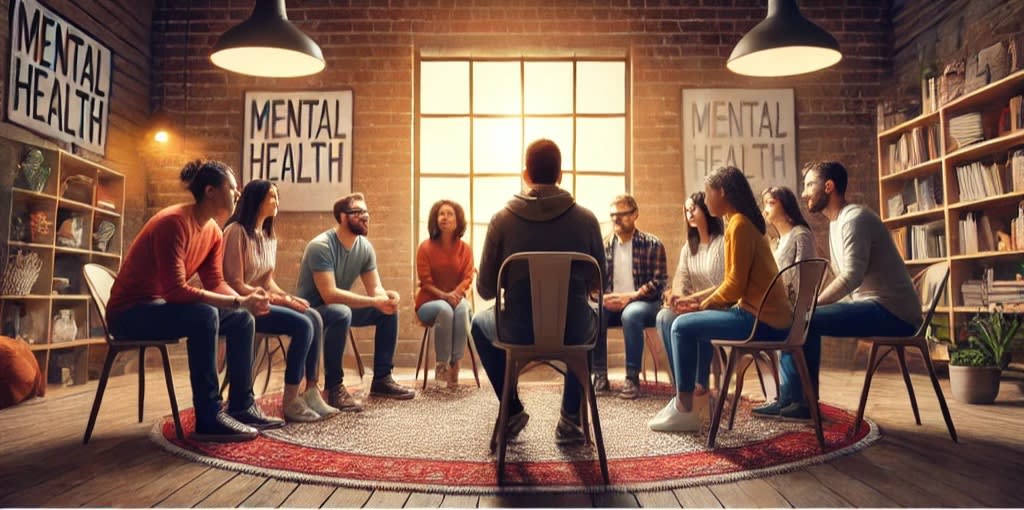
Mental health has long been a taboo subject, whispered about in hushed tones, if discussed at all. Yet, the reality is that mental health issues affect millions of people worldwide. According to the World Health Organization (WHO), one in four people will experience a mental health disorder at some point in their lives. Despite these staggering numbers, stigma and misunderstanding continue to prevent open discussions about mental well-being.
The Power of Open Conversations
Talking about mental health can break the cycle of isolation and shame. When we speak openly about our struggles, we help others realize they are not alone. It also fosters a culture of empathy and understanding, where people feel safe seeking help without fear of judgment.
Studies have shown that when people are open about their mental health, they are more likely to seek professional help and receive support from family and friends. This can lead to early intervention, which is crucial in managing mental health conditions effectively.
A lack of conversation about mental health contributes to misinformation, leading to harmful stereotypes and discrimination. By engaging in open dialogue, we educate others and create a more informed and supportive society. When more people are aware of mental health issues, they can recognize symptoms in themselves or their loved ones and take appropriate action.
Overcoming Stigma
One of the biggest barriers to mental health discussions is stigma. Society often views mental health conditions as a sign of weakness, making people reluctant to acknowledge their struggles. However, mental health issues are medical conditions, just like diabetes or high blood pressure.
Stigma can take many forms—social stigma, where individuals face discrimination and exclusion due to their mental health struggles; self-stigma, where a person internalizes negative beliefs about their condition; and institutional stigma, where policies and practices within workplaces, schools, and healthcare settings fail to accommodate or support mental health needs.
Education is key in dismantling stigma. When people understand that mental illnesses are not character flaws but genuine health concerns, they become more supportive and less judgmental. Schools and workplaces can play a crucial role in normalizing mental health conversations by implementing awareness programs and encouraging open discussions.
The Consequences of Silence
Ignoring mental health issues has serious consequences. Individuals who feel they cannot speak about their struggles often suffer in silence, leading to worsening symptoms. Depression, anxiety, and other mental health conditions can escalate without proper support, increasing the risk of substance abuse, self-harm, or suicide.
Beyond individual suffering, the broader community and society also bear the costs of untreated mental health issues. Workplaces experience lower productivity and higher absenteeism when employees struggle with unaddressed mental health problems. Relationships can become strained as people withdraw or struggle to communicate their emotions.
How to Foster Meaningful Conversations
Breaking the silence requires deliberate action. Here are some ways to encourage open discussions about mental health:
1. Create Safe Spaces – Encourage discussions where people feel comfortable expressing their emotions without fear of criticism.
2. Listen Without Judgment – Offer a listening ear rather than unsolicited advice. Sometimes, simply being there is enough.
3. Use Person-First Language – Say “a person with depression” instead of “a depressed person” to reinforce that the condition does not define them.
4. Share Personal Stories – When people see others being open about their experiences, they are more likely to do the same.
5. Encourage Professional Help – Seeking therapy or medication is not a sign of failure but a step toward recovery.
6. Educate Yourself and Others – Understanding different mental health conditions and treatment options can help reduce fear and misconceptions.
7. Challenge Harmful Language and Behaviors – When you hear someone making negative or dismissive comments about mental health, speak up and provide a more informed perspective.
The Role of Media and Social Platforms
The media and social platforms play a significant role in shaping perceptions of mental health. While they can be sources of misinformation, they also have the power to create positive change. Thoughtful portrayals of mental health in films, television, and literature can normalize struggles and show realistic recovery journeys.
Social media can be a double-edged sword. While it allows for support networks and awareness campaigns, it can also contribute to unrealistic expectations and harmful comparisons. Users should be mindful of the content they consume and share, ensuring it promotes a healthy and informed view of mental health.
The Importance of Policy and Advocacy
Beyond personal conversations, systemic change is needed to support mental health on a larger scale. Governments, employers, and institutions must implement policies that prioritize mental well-being. This includes access to affordable mental health care, workplace accommodations, and mental health education in schools.
Advocacy groups and mental health organizations play a crucial role in pushing for policy changes and providing resources for those in need. Supporting these initiatives—whether through donations, volunteering, or simply spreading awareness—can contribute to a more inclusive and understanding society.
Taking the First Step
Breaking the silence around mental health is not just beneficial; it’s necessary. When we engage in honest conversations, we create a world where mental well-being is prioritized and supported.
If you or someone you know is struggling with mental health, start by reaching out to a trusted friend, family member, or professional. Small steps toward open dialogue can lead to significant changes in attitudes, policies, and overall mental wellness for individuals and society as a whole.
Change starts with one conversation. Let’s make it happen.
About the Creator
Keep reading
More stories from Stefan Rowles and writers in Motivation and other communities.
Metabolism Myths and Facts:
Metabolism is one of the most misunderstood aspects of weight loss and health. Many people believe that a "slow metabolism" is the reason they struggle to lose weight, while others think that certain foods or activities can magically "speed it up." The truth is, metabolism is influenced by many factors, including genetics, age, muscle mass, and activity levels.
By Stefan Rowles12 months ago in Motivation
One Hard Thing
Stop me if you’ve heard this one before: You have the number, you know your schedule- you’ve even picked out the perfect day and time to make this appointment. Shoot, you’ve even picked out alternative days and times just in case their schedules can’t accommodate you!
By Taylor Rigsby5 days ago in Motivation



Comments
There are no comments for this story
Be the first to respond and start the conversation.