
Breaking Free from the Past: How Meditation and Conscious Awareness Can Shape Your Future
The Power of Meditation in Making the Right Choices
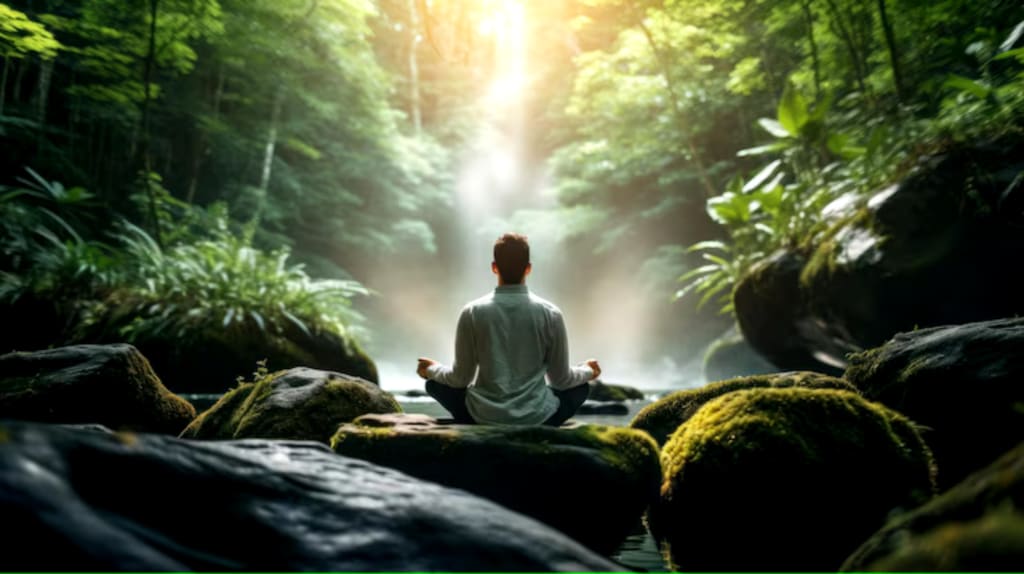
We all have those mornings where we wake up and the first thing that pops into our heads is a list of problems. It's like our brain is a broken record, stuck on the same old groove, replaying the same worries and anxieties. It's easy to get caught in this loop, feeling like we're living in the past, constantly reliving the same old dramas.
The truth is, our memories are deeply entwined with emotions. Each memory carries a feeling, a residue of past experiences. When those memories resurface, we're flooded with those emotions, feeling the sting of sadness, the ache of anger, or the weight of disappointment. It's like our minds are playing a game of emotional ping-pong, bouncing us back and forth between the past and the present.
Think about it: if you're feeling angry about something that happened yesterday, and you wake up still carrying that anger, it's like a tiny seed of negativity being planted. Over time, that seed can grow into a full-blown emotional weed, shaping how you perceive the world and even influencing your personality.
This cycle of dwelling on the past can become a trap, a self-fulfilling prophecy. Imagine waking up, grabbing your phone, scrolling through social media, and instantly being bombarded with familiar faces and familiar thoughts. You get out of bed the same way, go through the same routine, and even drive the same route to work. It's like your life is on autopilot, a well-worn path that you're stuck in.
By the time we hit our mid-thirties, a whopping 95% of who we are is programmed by habits, emotions, and unconscious patterns. We might tell ourselves we want to be happy, healthy, and free, but our bodies are often stuck in a different script. It's like trying to outmuscle a professional weightlifter – the subconscious program wins almost every time.
So, how do we break free from this loop? How do we rewrite the program? The answer lies in going beyond the analytical mind, reaching into the depths of our subconscious. That's where meditation comes in. By slowing down our brainwaves, we can tap into this hidden realm, accessing the source code of our thoughts and emotions.
It's tempting to wait for a crisis, a painful experience, or a wake-up call to spark change. But why wait for something negative to happen? We can choose to change in a state of joy and inspiration, rather than waiting for pain to force our hand.
Think of it like this: most of us spend a huge chunk of our lives in survival mode, always anticipating the worst, driven by the ghosts of past experiences. We choose negative outcomes from an endless buffet of possibilities, like picking the blandest option from a menu overflowing with delicious choices.
Each time we revisit a negative memory, our bodies release the same chemicals as if the event were happening in the present moment. Our bodies don't know the difference, they simply react. This constant replaying of negative emotions makes it tough to break free from the cycle. When we finally decide to change, our bodies resist because they've become comfortable with the familiar sting of negativity. It's like an old habit trying to pull us back into its embrace.
The unknown, the uncharted territory of the future, is where we can create a new reality. Meditation is like a magic key that unlocks this space. In a deep meditative state, we can start envisioning the life we want, the behaviors we want to embody, and the person we want to become. Our brains can't distinguish between imagination and real experience, so by mentally rehearsing these aspects, we start to install the software programs of our future selves. It's like turning our brains from a dusty record player into a GPS guiding us toward a brighter future.
The most challenging part is teaching our bodies to feel what the future will be like before it happens. Simply picturing it isn't enough; we need to feel it in our bones. If thoughts are the language of the brain, emotions are the language of the body. When we start feeling the emotions of our thoughts, we connect to the infinite possibilities that are waiting for us.
This means we no longer have to wait for success to feel successful or for wealth to feel abundant. We can begin to step into the future, becoming the architects of our destiny, rather than prisoners of our past. It's important to remember that just because we have a thought, it doesn't mean it's true. Our minds are constantly buzzing with thoughts, but the majority of them are just echoes of yesterday. If we don't change our thoughts, our lives won't change either.
Meditation helps us become aware of how we think, act, and feel. It's like tending to a garden: we need to clear the weeds and rocks, prepare the soil, and only then can we plant new seeds. Training our bodies to sit in meditation is like training a wild animal – it takes patience and persistence, but with time, we can reprogram ourselves.
As we continue this practice, we begin to break free from the chains of past emotions, and our bodies eventually surrender to the transformative power of meditation. Even a week of consistent practice can start to shift things. Our future reality begins to take shape, and we finally break free from the grip of our old, unhappy selves.
About the Creator
Keep reading
More stories from Bright David and writers in Motivation and other communities.
Small Acts, Big Impact
In today's fast-paced society, it's all too easy to overlook the impact of small, simple gestures. Random acts of kindness—those spontaneous, thoughtful actions—possess a remarkable ability to uplift someone's spirits and even transform the atmosphere of an entire community. Like ripples in water, these gestures start small but can grow into something profoundly beautiful. Consider this: a smile, a helping hand, or a kind word may seem trivial, yet they can have a significant impact, particularly for someone facing difficulties. These acts can instill hope, foster a sense of belonging, and ignite a spark of joy.
By Bright Davidabout a year ago in Motivation
What is your calling
What is a model human being? Can anyone follow all of these steps and guides in a life unpredictable? Yes there are privileged individuals out there who take a very structured path to success but for 90% of people in the world this is not reality, and mor
By Malachai Hough5 days ago in Motivation


Comments
There are no comments for this story
Be the first to respond and start the conversation.