
Breaking Free from Sugar Addiction: A Step-by-Step Guide to a Healthier You
Discover Practical Steps to Crush Cravings, Reclaim Your Health, and Transform Your Life

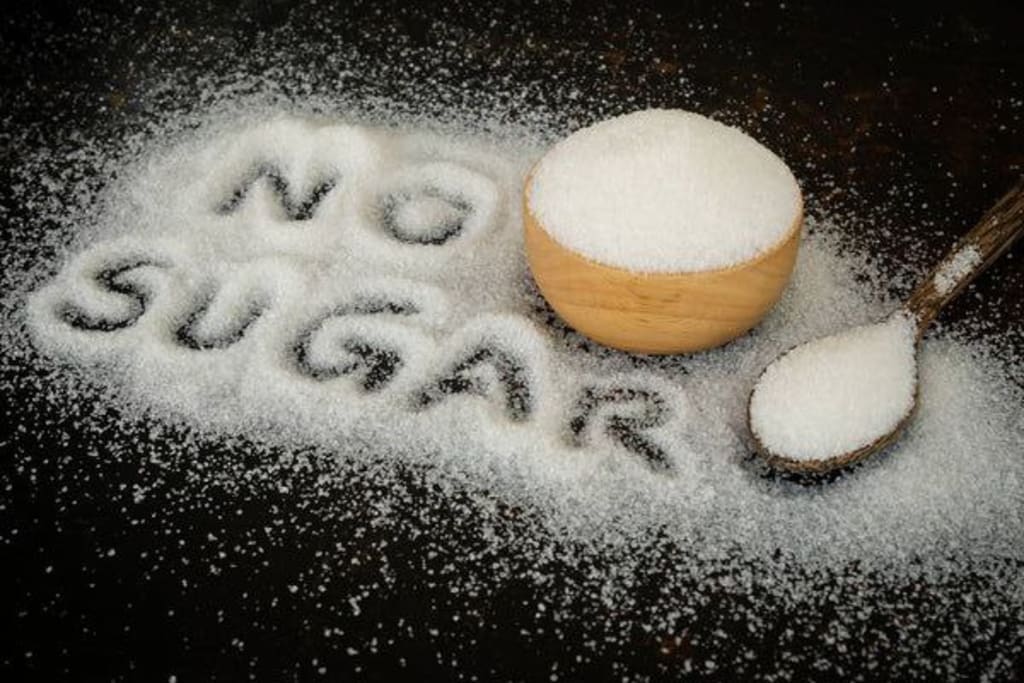
Breaking Free from Sugar Addiction: A Step-by-Step Guide to a Healthier You
Sugar has long been a staple in our diets, but the amount we consume today is alarmingly high. Health experts recommend no more than 25 grams of added sugar—roughly six teaspoons—per day. Yet, the average American consumes 75 grams daily, equating to nearly half a cup of sugar. This excessive intake poses serious health risks, and while many people are aware of the dangers, breaking free from sugar addiction is easier said than done. If you’re determined to quit sugar, the good news is that it’s possible. Here’s how you can do it, step by step.
Step 1: Awareness is Key
The journey to a sugar-free life begins with awareness. Most people don’t realize that 75% of grocery store products contain added sugar, often hidden under clever names like high-fructose corn syrup, dextrose, maltose, or even "pineapple extract." These sneaky sweeteners are found in everyday items such as condiments, cereals, and even “healthy” snacks.
To truly limit your sugar intake, start reading food labels. Look for hidden sugars and track your daily consumption. Keeping your intake below 25 grams per day is the benchmark for success. Being mindful of what you eat is the first step toward breaking free from the grip of sugar addiction.
Step 2: Recognize Your Sugar Addiction
Admitting you have a sugar addiction can be challenging, but it’s crucial for change. Excessive sugar consumption has been linked to obesity, type 2 diabetes, heart disease, and liver problems. It’s a silent but pervasive enemy to our health. Understanding the toll sugar takes on your body can be a powerful motivator to quit.
Step 3: Avoid Quitting Cold Turkey
While quitting sugar cold turkey might sound like the fastest solution, it often backfires. Withdrawal symptoms—headaches, fatigue, irritability—can drive people back to consuming even more sugar than before. Instead, aim to gradually reduce your intake. This steady approach helps your body adjust without triggering severe withdrawal symptoms.
Start by cutting back on liquid sugars, like sodas, fruit juices, and coffee sweetened with syrups. Liquid sugar is particularly harmful because it’s rapidly absorbed into the bloodstream, leading to insulin spikes. Reducing these will significantly lower your overall sugar intake.
Step 4: Satisfy Your Sweet Tooth with Natural Alternatives
If you crave something sweet, opt for whole fruits like apples, berries, or oranges instead of processed options like applesauce or fruit juice. Whole fruits contain fiber, which slows sugar absorption and prevents insulin spikes. Processed fruit, on the other hand, has much of its fiber removed, making it nearly as bad as added sugars.
By choosing natural alternatives, you can satisfy your sweet tooth while avoiding the pitfalls of added sugar.
Step 5: Manage Sugar Cravings
Sugar cravings are tough to beat, but they can be managed. These cravings often arise when you’re bored, stressed, or tired. Engaging in activities like exercise, meditation, or creative hobbies can serve as healthy distractions.
Additionally, maintaining a balanced lifestyle is essential. Good sleep, regular exercise, stress reduction, and proper hydration can all help reduce cravings. Eating nutrient-rich meals with plenty of vegetables, proteins, and healthy fats ensures your body gets the energy it needs without turning to sugar.
The Science of Sugar Cravings
Sugar cravings originate in the hypothalamus, the part of your brain that regulates appetite and energy. Hormones like leptin, insulin, ghrelin, and GLP-1 (glucagon-like peptide-1) play a role in these cravings. A healthy lifestyle helps balance these hormones, gradually reducing the intensity of your sugar addiction.
Interestingly, new medications like GLP-1 agonists (e.g., Ozempic, Wegovy, Mounjaro) can suppress cravings. These drugs, originally developed for type 2 diabetes, have gained attention for their ability to curb sugar and alcohol cravings. While not for everyone, they’re an option for those struggling with severe addiction.
Step 6: Be Patient and Persistent
Breaking free from sugar addiction is a journey, not a sprint. Your taste buds regenerate every few weeks, meaning your body can adapt to lower sugar levels over time. By the two-to-three-week mark, you’ll likely notice significantly fewer cravings.
Setbacks may happen, but don’t let them derail your progress. Keep reminding yourself of the health benefits: improved energy levels, better weight management, and reduced risk of chronic diseases.
Conclusion
Quitting sugar isn’t easy, but it’s one of the most rewarding steps you can take for your health. By understanding the pervasiveness of sugar, gradually reducing your intake, and managing cravings, you can overcome your addiction. Whether you choose to tackle it naturally or explore medical assistance, the key is consistency and commitment.
Remember, your body and mind will thank you for making this change. Overcoming sugar addiction not only transforms your health but also empowers you to take control of your life. So, start today—one small step at a time. Your future self will be grateful.
About the Creator
Keep reading
More stories from Cherub Kane and writers in Motivation and other communities.
Avoid These 13 High-Sugar Fruits for Effective Weight Loss
Avoid These 13 High-Sugar Fruits for Effective Weight Loss Deciding to lose weight and improve your health is a big step, and it’s fantastic that you’ve made this decision! However, navigating the maze of advice can be tricky, and misinformation could lead to frustration or a lack of progress. The last thing anyone wants is to put in effort, only to see minimal results—or worse, to regain any weight lost.
By Cherub Kaneabout a year ago in Motivation
Full Moon
There are days when it feels like my body is arguing with itself. Multiple sclerosis already demands negotiation. Fatigue shapes my energy. My legs can feel unreliable. Sensations appear without warning. Some days they feel heavy. Other days they feel like they are vibrating from the inside, a constant electrical hum that no one else can see.
By Millie Hardy-Sims5 days ago in Motivation



Comments
There are no comments for this story
Be the first to respond and start the conversation.