
Brains & Brilliance: The Path to Intellectual Power
How to Train Your Mind to Think Faster, Deeper, and Smarter
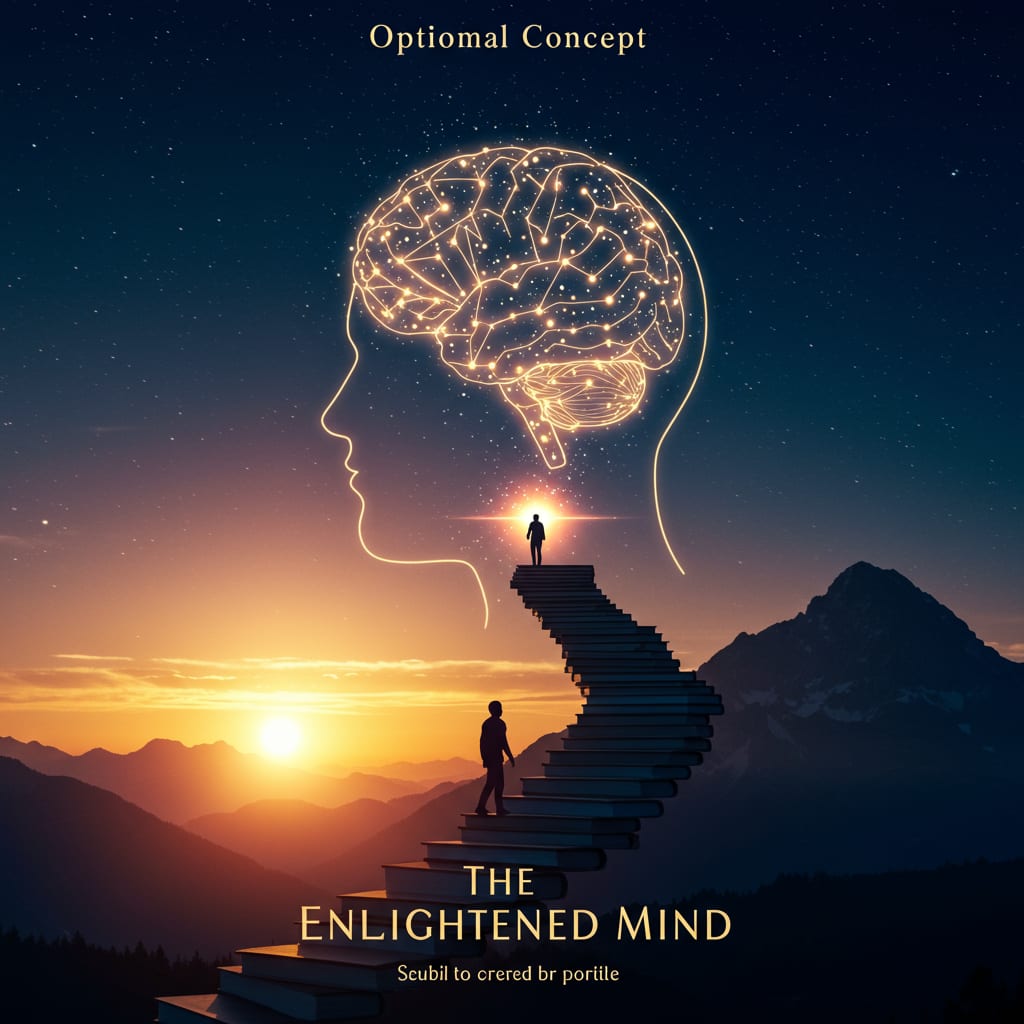
Daniel Reed was not born brilliant. He wasn’t a child prodigy, nor the star student in class. He was the kind of kid who forgot his homework, froze during oral presentations, and never quite understood what the fuss was about algebra. Most teachers thought of him as quiet, maybe even a little slow, though kind-hearted. He didn’t mind. He had accepted the idea that he just wasn’t one of “those smart kids.”
But something changed one rainy afternoon in his grandfather’s attic.
Daniel had been helping clean out old boxes when he discovered a tattered book beneath a pile of National Geographics. Its leather cover was worn, its title barely visible: “The Mind Unlocked.” Inside were strange but captivating chapters: “How to Think Like a Scientist,” “Patterns of the Clever,” and “The Power of Deep Questions.” What struck Daniel wasn’t just the information—it was the idea that intelligence wasn’t fixed. It could be trained, just like a muscle.
That day, a spark was lit. And Daniel decided to test it.
He didn’t make a grand announcement to the world. He simply changed one thing: instead of accepting confusion as a dead end, he began to treat it like a signpost. When he didn’t understand something, he didn’t shrug it off—he hunted it down. If he read a word he didn’t know, he looked it up. If a math concept confused him, he’d find a video, a blog, or a teacher willing to explain it in a new way.
Soon, Daniel was building what he called a “knowledge web.” Every new idea was a node, and he connected them obsessively. Economics connected to psychology. Psychology to history. History to biology. Suddenly, the world wasn’t a pile of separate subjects—it was a single story, and Daniel was learning to read it.
He also adopted a new habit: writing down one powerful question every day. Why does boredom exist? What’s the difference between memory and imagination? Can emotions be measured? These questions became a playground for his mind. Some days, he’d find answers. Other days, he’d sit with the mystery—and learn from the not-knowing.
Daniel’s growth was slow, steady, and real.
Within a year, his teachers began to notice. His essays were richer. His answers more thoughtful. But more importantly, his questions were now driving classroom discussions. “Daniel always asks things I’ve never considered,” one teacher said. “It’s like he sees the subject from the inside.”
But Daniel didn’t feel “smart” in the traditional sense. He wasn’t trying to impress anyone. He had simply fallen in love with learning—and that had made all the difference.
Outside of school, Daniel developed what he called his “Clever List”—a daily routine that sharpened his brain:
15 minutes of focused reading
10 minutes of memory games
1 conversation with someone smarter than him
1 idea journal entry
A walk without music—just thinking time
By senior year, Daniel wasn’t just a good student—he was a thoughtful leader. When a debate arose in class, he didn’t speak first. He listened, synthesized, and then added clarity. When younger students struggled, he didn’t lecture. He asked the right questions to help them discover the answer.
It was never about showing off. It was about empowering minds—including his own.
At graduation, Daniel was asked to deliver the student speech. His classmates expected a polished farewell. What they got was something different:
“I used to believe intelligence was something you were either born with or not. I was wrong. Intelligence isn’t fixed—it’s forged. It’s what you do in the quiet hours, the questions you ask, and the courage to stay curious when you feel dumb. If you want to be clever, practice being confused—but keep walking through it. That’s where the magic happens.”
Years later, Daniel stood before a packed lecture hall as a cognitive science professor. The name of his bestselling book—Brains & Brilliance: The Path to Intellectual Power—was projected behind him.
The audience leaned in.
“True intelligence,” Daniel said, “isn’t about how fast you solve a puzzle or how many facts you memorize. It’s about how you treat not knowing. Smart people don’t have all the answers—they just refuse to stop asking better questions.”
The crowd erupted in applause.
As he stepped off the stage, Daniel smiled—not because he was proud of being called brilliant, but because he finally understood what brilliance really was: a relentless curiosity, a commitment to growth, and a desire to lift others as you rise.
He had walked the path. And now, he was lighting the way for others.
Moral of the Story:
Brilliance is not born—it’s built. With patience, questions, and effort, anyone can walk the path toward intellectual power. The key is to stay curious, stay humble, and never stop learning.
About the Creator
Keep reading
More stories from Mahayud Din and writers in Motivation and other communities.
Thanks, Mom and Dad — For the Life Lessons and the Awkward Moments
If there's one thing my parents were consistent about, it was being unapologetically themselves — often to my horror and eventual gratitude. Growing up in our house meant living with a combination of life lessons and laugh-out-loud memories that, at the time, I tried desperately to escape. Now? I realize I was getting the best kind of education — one awkward moment at a time.
By Mahayud Din9 months ago in Motivation
From ad men to mad men
It's after 2am in the morning when a local police patrol vehicle in Northern New Jersey spots a figure costumed as Quasimodo, The Hunchback of Notre Dame, proceeding southbound on the sidewalk along Lydecker Street. Though the hunchback’s costume stuffing offers added insulation, it's January, and friggin’ freezing. Carefully, the officers slow down, gently question the subject, and offer him a ride home.
By David W. Maury7 days ago in Humor



Comments (2)
good
very informative