
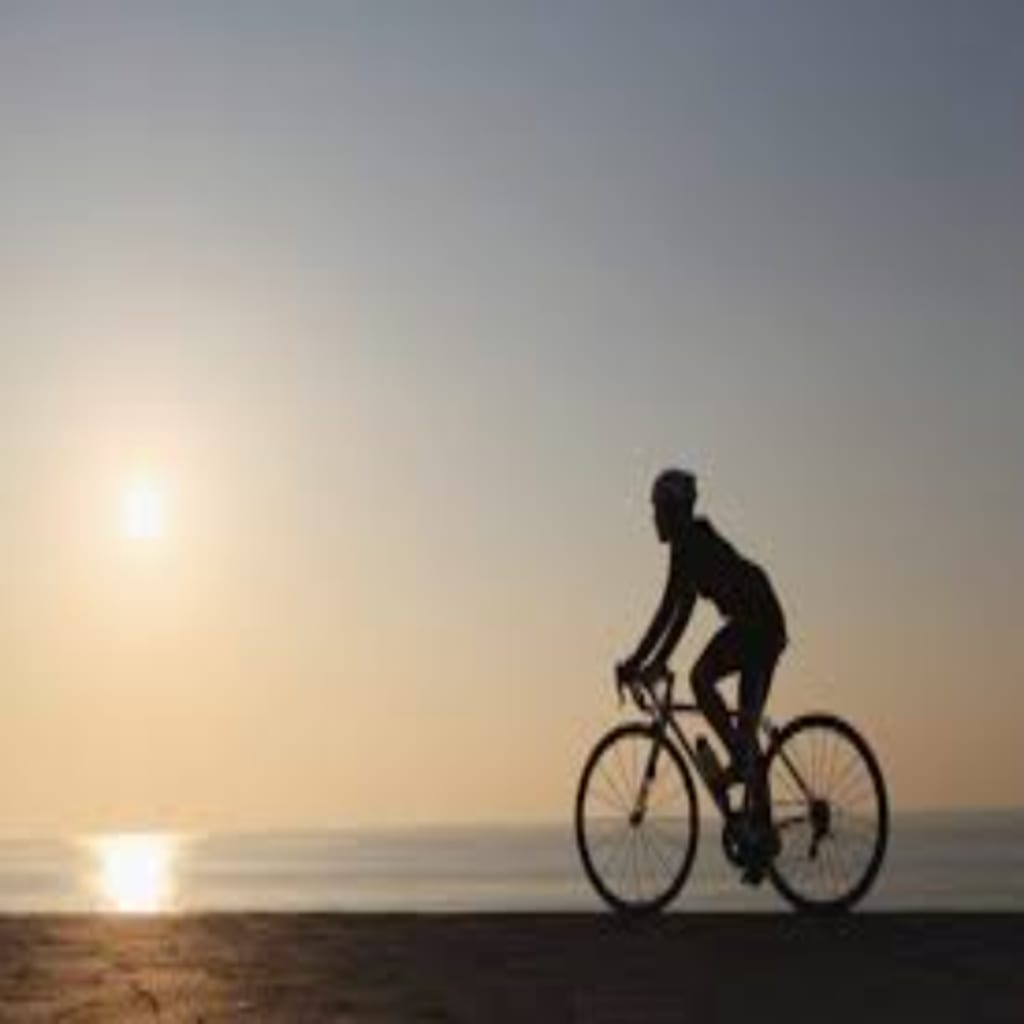
The Joy of Biking: Embracing Freedom on Two Wheels
Biking is more than just a mode of transportation; it is a lifestyle, a passion, and in many ways, a philosophy that encourages individuals to embrace freedom, adventure, and fitness all at once. The rhythmic motion of pedaling, the rush of wind against the skin, and the exhilarating feeling of speed combine to create an experience that is both liberating and invigorating. Cyclists, ranging from casual riders to competitive athletes, share a profound appreciation for their bicycles, which serve as vessels of discovery, connection, and personal growth.
To begin, it is essential to understand the historical significance of bicycles. The invention of the bicycle can be traced back to the early 19th century, with the "Dandy Horse," a primitive two-wheeled contraption created by German inventor Karl Drais in 1817. This innovative design set the groundwork for subsequent advancements, leading to the development of the penny-farthing in the 1870s and the safety bicycle in the 1880s, which closely resembled the modern bicycles we see today. Over the years, biking has evolved into various forms, including road cycling, mountain biking, BMX, and touring. Each discipline showcases the versatility of bikes and the different ways people enjoy this exhilarating activity.
Cycling offers numerous benefits, both physical and mental, that contribute to an overall sense of well-being. Regular biking is an excellent form of cardiovascular exercise, helping to strengthen the heart, improve circulation, and enhance lung capacity. According to the World Health Organization, adults should engage in at least 150 minutes of moderate-intensity aerobic activity each week, and biking is an enjoyable way to meet that recommendation. Furthermore, cycling is a low-impact activity, making it accessible to individuals of all ages and fitness levels. It minimizes stress on the joints while providing a full-body workout that tones muscles in the legs, core, and back.
Beyond physical fitness, biking is also a powerful tool for mental health. Engaging in outdoor cycling allows riders to immerse themselves in nature, benefiting from the calming effects of fresh air and beautiful scenery. Studies have shown that exercising outdoors can lead to lower levels of stress, anxiety, and depression. The endorphins released during physical activities like cycling help elevate mood and create a sense of happiness and accomplishment. Additionally, the meditative quality of cycling—where the mind can drift away while focusing on the road ahead—can lead to moments of clarity and insight, making it a perfect escape for individuals seeking solace from the hustle and bustle of daily life.
One of the most enchanting aspects of biking is the sense of freedom it imbues. There is something uniquely liberating about riding a bike, transcending the confines of traditional transportation. Whether navigating city streets or exploring winding country roads, cyclists can chart their adventures, discovering hidden gems along the way. This exploration can foster a deep appreciation for our surroundings and encourage active participation in local communities. Many cities worldwide have embraced cycling as a sustainable transportation option, developing extensive bike lane infrastructure, bike-sharing programs, and recreational cycling events. This shift not only promotes healthier lifestyles but also helps reduce traffic congestion and lower carbon emissions, aligning with a more eco-conscious way of living.
For many cyclists, biking is not just a solitary endeavor but a means of building connections and fostering friendships. Group rides, cycling clubs, and events like charity rides or competitions create a sense of camaraderie among participants. These gatherings provide opportunities for riders to bond over shared experiences, exchange tips and advice, and motivate one another to improve their skills and endurance. The cycling community is often characterized by a welcoming spirit, where individuals of all backgrounds come together to celebrate their love of biking. Many lifelong friendships have been formed on the road, emphasizing the social aspect of this sport.
Moreover, as biking continues to gain popularity, there has been a significant increase in the development of cycling-related infrastructure. Bicycle paths, bike lanes, and dedicated greenways have transformed urban landscapes, making cycling safer and more enjoyable. In cities like Amsterdam and Copenhagen, cycling is the primary mode of transportation for many residents, promoting a culture of biking that prioritizes health, convenience, and sustainability. This growth in cycling infrastructure reflects a broader societal shift toward embracing environmentally friendly practices and recognition of the role that active transportation plays in shaping livable cities.
In addition to transportation and recreation, biking serves as a practical solution for various societal challenges. Urban congestion, air pollution, and traffic accidents are pressing issues faced by modern cities, and biking offers a viable alternative to address these concerns. Encouraging more people to choose bicycles over automobiles not only alleviates traffic congestion but also helps reduce greenhouse gas emissions, contributing to cleaner air and a healthier environment. Furthermore, cycling promotes independence, particularly for individuals who may lack access to reliable public transportation. Bikes provide a convenient means of navigating urban environments, enabling people to reach their destinations efficiently and affordably.
While biking is an enjoyable and fulfilling activity, it is essential to recognize the importance of safety on two wheels. Cyclists are vulnerable road users, and accidents can occur despite the best precautions. Wearing a properly fitted helmet, using lights and reflectors in low-light conditions, and obeying traffic rules are crucial for ensuring safety while biking. Additionally, being aware of one’s surroundings and anticipating the actions of other road users can significantly reduce the risk of accidents. Many advocate for increased awareness campaigns and educational programs to promote safe cycling practices, ensuring that both cyclists and motorists understand their responsibilities on the road.
As technology continues to advance, the landscape of biking is also evolving. From electric bicycles (e-bikes) that empower riders to tackle challenging hills with ease to advanced cycling gear and accessories that optimize performance, the modern biking experience is constantly transforming. E-bikes, in particular, have gained immense popularity, offering individuals a practical solution to commute longer distances while minimizing physical exertion. This innovation has made biking accessible to a broader audience, including those who may have previously found traditional cycling intimidating. As the biking community expands and diversifies, it is essential to foster an inclusive atmosphere that welcomes everyone regardless of their age, fitness level, or cycling style.
In conclusion, biking is a multifaceted activity that enriches lives in countless ways. It is a path to physical fitness, a means of mental rejuvenation, a gateway to exploration, and a bridge that fosters connections among individuals. The evolution of biking, from its humble beginnings to its status as a symbol of freedom and sustainability, reflects a broader societal shift toward healthier and more eco-conscious living. As cities continue to adapt to accommodate cyclists and as advancements in technology enhance the biking experience, the future of biking is bright. Embracing the joy of cycling means embracing a lifestyle that prioritizes health, wellness, and connection, one ride at a time. Whether commuting to work, exploring scenic trails, or simply enjoying a leisurely ride through the neighborhood, the joy of biking reminds us of the simple pleasures in life and the freedom that lies within our reach on two wheels.
About the Creator
Keep reading
More stories from Giri Dharan and writers in Motivation and other communities.
Chatgpt
Exploring ChatGPT: A Window into Conversational AI In recent years, the rapid progression of artificial intelligence has ushered in new paradigms in how we interact with technology. One of the most notable advancements is in the realm of conversational AI, particularly exemplified by models like ChatGPT developed by OpenAI. This language model, built upon the Generative Pre-trained Transformer architecture, represents a significant leap forward in the way machines understand and generate human language. From casual conversations to generating complex texts, ChatGPT is redefining the boundaries of communication with AI.
By Giri Dharanabout a year ago in Education
The Long Game of Becoming
Introduction: Why the Second Chapter Matters Motivation is often portrayed as a sudden spark—a lightning strike that changes everything in an instant. In reality, meaningful change rarely begins with fireworks. It begins quietly, often invisibly, in moments that feel too small to matter. This second chapter is written for those moments.
By Chilam Wonga day ago in Motivation




Comments
There are no comments for this story
Be the first to respond and start the conversation.