
Belly Fat: How To Lose It and Keep It Off
Understanding Belly Fat and It Challenges
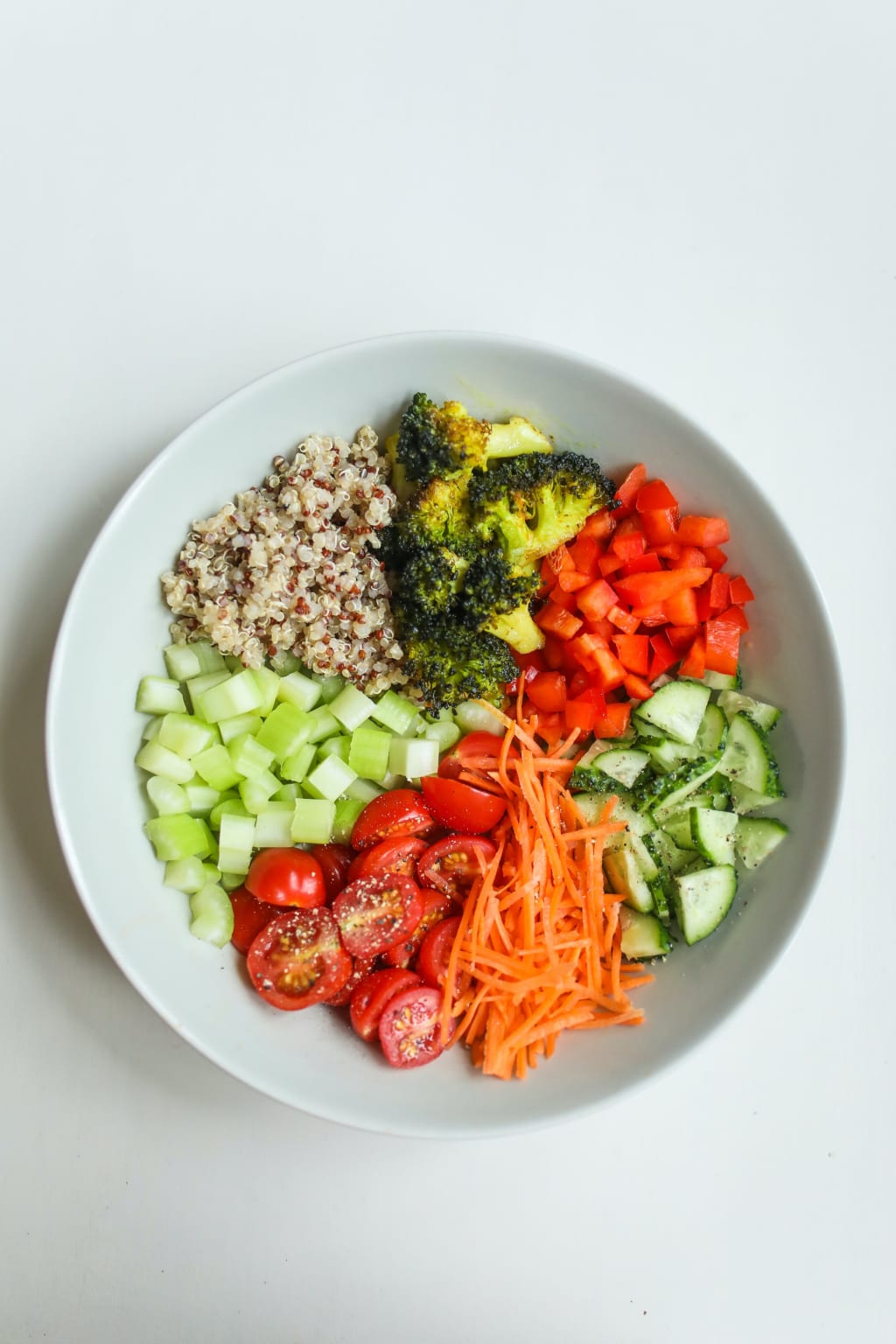
Belly Fat: How To Lose It and Keep It Off
1. Introduction
2. Understanding Belly Fat and its Challenges
3. Stage 1: Kick-starting the Fat Loss Process
1. Creating an Energy Deficit
2. Importance of Protein Intake
3. Incorporating Low-Calorie Density Foods
4. Stage 2: Going from 15% to 12% Body Fat
1. Tracking Calorie Intake
2. Adjusting Carbohydrate and Fat Intake
3. High-Volume Foods to Manage Hunger
5. Stage 3: Reaching Lower Body Fat Levels
1. Maintaining Calorie Tracking and Meal Planning
2. Wise Choices for Social Events and Dining Out
3. Balancing Sacrifices and Sustainability
6. Conclusion
7. FAQs
1. Can I target fat loss specifically from my belly?
2. How long will it take to lose belly fat?
3. Are there any supplements that can help with belly fat loss?
4. Is exercise necessary to lose belly fat?
5. Can I maintain a low body fat percentage without sacrificing energy and strength?
Introduction
Belly fat, often considered the most stubborn area to lose fat from, can be a frustrating challenge for many individuals. While it is widely acknowledged that diet plays a crucial role in fat loss, knowing where to start and how to maintain results can be overwhelming. In this article, we will guide you through three stages of eating to lose belly fat effectively and ensure long-term success.
Understanding Belly Fat and its Challenges
Before diving into the three stages, it's important to understand why these stages are necessary. Most individuals fall within a body fat range of 15% to 25% or even higher. However, to prioritize burning off belly fat, you need to reduce the fat from other areas of your body first. Generally, this occurs when your body fat percentage reaches around 15%. As you progress and reach 12% or even 10% body fat, certain adjustments to your diet become crucial to prevent plateaus and muscle loss.
Stage 1: Kick-starting the Fat Loss Process
The initial stage is designed to kick-start the fat loss process and maintain progress until you reach approximately 15% body fat. During this stage, your hunger levels will be relatively low, and the risk of muscle loss is minimal. The two primary factors to focus on in this stage are calorie intake and protein consumption.
Creating an Energy Deficit
To force your body to burn body fat for energy, you need to create an energy deficit. This can be achieved by consuming fewer calories than your body burns daily. To estimate the appropriate energy deficit, multiply your body weight in pounds by a factor between 11 and 13. If you are taller, younger, or more active, opt for the higher end of the range. If you are shorter, older, or less active, go with the lower end. This estimate will provide a rough indication of the daily calorie intake required to create a deficit.
Importance of Protein Intake
While maintaining an energy deficit helps with weight loss, it's crucial to ensure that the weight loss primarily comes from fat rather than muscle. Increasing your protein intake can help preserve muscle mass during this stage. For relatively heavier males, a good recommendation is to consume one gram of protein per centimetres over your height. For example, if you are 175 centimetres tall, aim for approximately 175 grams of protein per day. If you are relatively lighter or closer to 15% body fat, multiply your body weight in pounds by.
Incorporating Low-Calorie Density Foods
In addition to managing calorie intake and ensuring sufficient protein consumption, incorporating low-calorie density foods into your diet can help you feel fuller while consuming fewer calories. These foods, such as fruits, vegetables, whole grains, and lean proteins, provide a high volume of food for fewer calories. This can help you stay satisfied and adhere to your calorie goals more easily.
Stage 2: Going from 15% to 12% Body Fat
Once you reach around 15% body fat, the fat loss process becomes more challenging. At this stage, you need to make certain adjustments to continue progressing and achieve a lower body fat percentage.
Tracking Calorie Intake
Continuing to track your calorie intake is essential during this stage. You may need to further reduce your calorie intake to create a larger energy deficit. It's recommended to reduce your daily calorie intake by 10-20% to continue seeing progress.
Adjusting Carbohydrate and Fat Intake
Carbohydrates and fats are the two macronutrients that can be adjusted to support fat loss. Lowering your carbohydrate intake and increasing your fat intake can help maintain satiety while keeping your calorie intake in check. It's recommended to reduce carbohydrate intake to around 20-30% of your total calories and increase fat intake to approximately 30-40%.
High-Volume Foods to Manage Hunger
As you reduce your calorie intake, hunger levels may increase. Incorporating high-volume, low-calorie foods can help manage hunger and keep you satisfied. Foods such as non-starchy vegetables, fruits, legumes, and lean proteins can provide a high volume of food while being relatively low in calories.
Stage 3: Reaching Lower Body Fat Levels
Reaching lower body fat levels, such as 10% or below, requires further attention to detail and consistency. Here are some strategies to help you during this stage:
Maintaining Calorie Tracking and Meal Planning
Continuing to track your calorie intake and plan your meals is crucial to ensure you maintain the energy deficit needed for fat loss. This stage may require even stricter adherence to your calorie goals.
Wise Choices for Social Events and Dining Out
Social events and dining out can present challenges when trying to maintain a low body fat percentage. Making wise choices such as opting for protein-rich foods, filling up on vegetables, and controlling portion sizes can help you stay on track.
Balancing Sacrifices and Sustainability
As you aim for lower body fat levels, it's important to find a balance between making necessary sacrifices and maintaining a sustainable approach. Extreme measures may yield faster results, but they are often difficult to maintain long-term. Find a lifestyle and dietary approach that you can sustain in the long run.
Conclusion
Losing belly fat requires a combination of a healthy diet, regular exercise, and consistency. It's important to understand that spot reduction is not possible, and overall fat loss is necessary to target the stubborn belly area. By following a structured approach and implementing the three stages discussed in this article, you can start your journey towards losing belly fat and achieving a healthier body composition.
Remember, the process takes time, patience, and dedication. Focus on creating a sustainable lifestyle that includes balanced nutrition, regular physical activity, and self-care. Celebrate your progress along the way and stay motivated by setting realistic goals and tracking your results.
If you're unsure about where to start or need personalized guidance, consider consulting with a healthcare professional, registered dietitian, or certified personal trainer. They can provide you with expert advice and support to help you reach your goals effectively and safely.
FAQs (Frequently Asked Questions)
1. Can I specifically target belly fat through exercise?
While targeted exercises can strengthen the abdominal muscles, they won't directly burn fat in that area. Overall fat loss through a combination of diet and exercise is necessary to reduce belly fat.
2. Are there any specific foods that help in losing belly fat?
No single food can target belly fat. However, incorporating a balanced diet rich in whole grains, lean proteins, fruits, vegetables, and healthy fats can support overall weight loss and contribute to a healthier body composition.
3. How long does it take to lose belly fat?
The time it takes to lose belly fat varies for each individual and depends on factors such as current body composition, genetics, lifestyle, and adherence to a healthy diet and exercise routine. It's important to focus on long-term sustainable changes rather than seeking a quick fix.
4. Can I do crunches or sit-ups to get rid of belly fat?
While these exercises can help strengthen the abdominal muscles, they won't specifically burn belly fat. Combining core exercises with overall fat loss strategies is key to achieving a flatter stomach.
5. Is it necessary to cut out carbohydrates completely to lose belly fat?
No, it's not necessary to eliminate carbohydrates entirely. Including the right balance of carbohydrates, proteins, and fats in your diet is important for overall health and energy levels. Opt for whole grain sources and prioritize nutrient-dense foods.
Remember, everyone's body is unique, and it's essential to find an approach that works best for you. Listen to your body, be consistent, and seek guidance from professionals when needed.
Now that you have a better understanding of how to approach losing belly fat, take the first step towards a healthier lifestyle. With commitment and perseverance, you can achieve your goals and enjoy the benefits of a trimmer waistline and improved overall well-being.
About the Creator
Keep reading
More stories from OM NARAYAN VYAS and writers in Motivation and other communities.
Top 10 Authentic Milestones On the Planet
Top 10 Authentic Milestones On the Planet Presentation: All through the ages, humankind has constructed striking designs that stand as demonstrations of our aggregate history and accomplishments. These authentic tourist spots charm us with their building brightness as well as proposition looks into the rich embroidery of human progress. In this article, we welcome you to set out on an excursion to investigate the best 10 authentic milestones that have endured for the long haul and keep on motivating stunningness and marvel.
By OM NARAYAN VYAS3 years ago in History
My Daily Win
I used to end every day feeling like a failure. It didn't matter what I accomplished. I could cross off ten items from my to-do list, and all I'd see were the fifteen I didn't finish. I could have a productive work day, cook a healthy dinner, and call my mom—and still go to bed thinking about the email I forgot to send or the closet I didn't organize.
By Fazal Hadi5 days ago in Motivation




Comments
There are no comments for this story
Be the first to respond and start the conversation.