
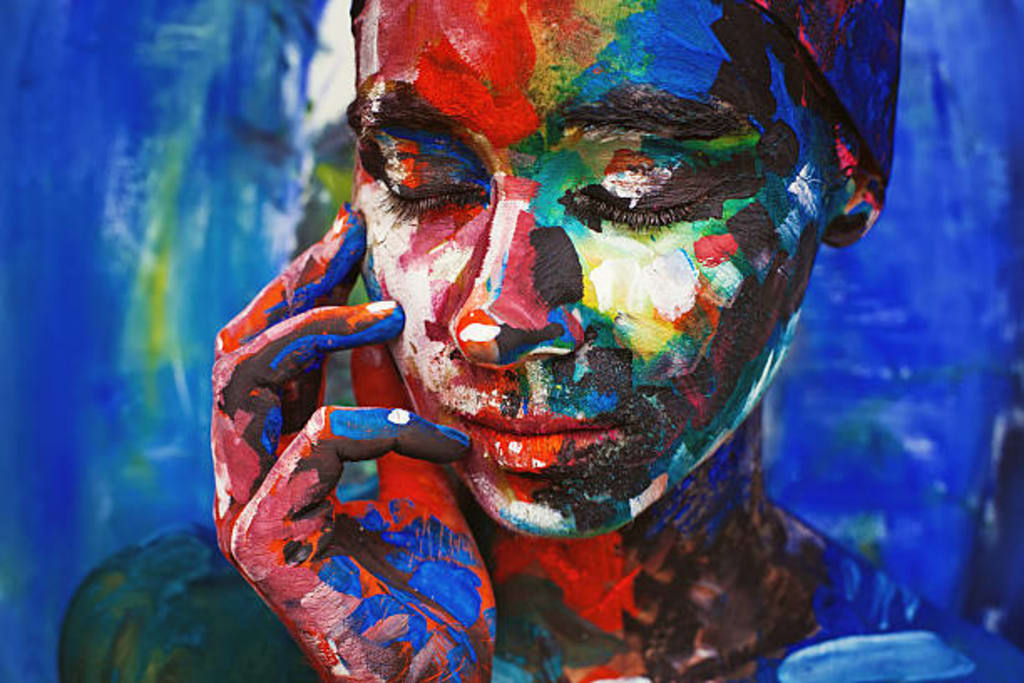
Art can be broadly defined as a creative expression of human imagination and skill that seeks to communicate emotions, ideas, and experiences through a range of media and forms, including visual arts (painting, sculpture, drawing, photography, etc.), performing arts (dance, music, theater, etc.), literature, and film.
Art has been an integral part of human culture since ancient times, serving various functions such as religious rituals, political propaganda, and personal expression. Throughout history, art has been shaped by various cultural and social movements, from the Renaissance and Romanticism to Modernism and Postmodernism.
Today, art continues to play an important role in society, serving as a means of communication, reflection, and critique of contemporary issues and trends.
Art can be appreciated and interpreted in different ways by different people, and its meaning can be subjective and open to interpretation. It can evoke a range of emotions, from joy and wonder to sadness and anger, and can challenge the viewer to question their own beliefs and assumptions.
In addition to its aesthetic value, art can also have practical uses such as in therapy, education, and community building. Art therapy, for example, uses art-making as a means of self-expression and healing for individuals with mental health issues or trauma. Art education can help develop creativity and critical thinking skills in students, and community art projects can promote social cohesion and activism.

Artists themselves play an important role in shaping the art world and influencing cultural discourse. They often use their work to address social and political issues, challenge conventions, and push boundaries. Some notable artists throughout history include Leonardo da Vinci, Vincent van Gogh, Pablo Picasso, Frida Kahlo, and Andy Warhol, to name a few.
Overall, art is a dynamic and multifaceted field that continues to evolve and influence society in meaningful ways.
Art can also be categorized into different styles, movements, and genres, each with its own unique characteristics and influences. Some notable art movements throughout history include Impressionism, Surrealism, Pop Art, and Abstract Expressionism, among others.
Technology has also greatly impacted the field of art in recent years, with advancements in digital art, animation, and virtual reality opening up new possibilities for artistic expression and creativity.
Art has also faced challenges and controversies throughout history, such as censorship, cultural appropriation, and the commodification of art. These issues highlight the complex and sometimes problematic relationships between art, culture, and society.
Despite these challenges, art remains a vital and integral part of human experience, reflecting and shaping the world we live in. It has the power to inspire, connect, and transform individuals and communities, making it a timeless and valuable aspect of our cultural heritage.

Art also has the ability to transcend language and cultural barriers, allowing for cross-cultural exchange and understanding. In this way, art can serve as a bridge between different communities and a means of promoting empathy and compassion.
Art can also be a form of protest and resistance, challenging social norms and advocating for change. This is evident in works of art such as posters, murals, and graffiti that have been used throughout history to raise awareness of social and political issues and inspire activism.
Moreover, art can have economic significance as well, contributing to the growth of various industries such as fashion, advertising, and entertainment. The global art market is a multibillion-dollar industry, with artworks fetching record prices at auctions and art fairs around the world.
In conclusion, art is a multifaceted and dynamic field that plays an important role in human culture and society. It serves as a means of creative expression, communication, and reflection, and has the power to inspire, challenge, and transform individuals and communities.
About the Creator
Mohan Ramu
"A movie review should not only reflect the reviewer's personal opinion, but should also consider the wider cultural and social implications of the film."
"A story is a way to say something that can't be said any other way."
Keep reading
More stories from Mohan Ramu and writers in Motivation and other communities.
Consistency Without Intensity Is Just Showing Up to Lose Slowly
Showing up matters. Nobody's arguing against that. But there's a version of consistency that never actually gets anyone anywhere - the kind where you're present, you're regular, you're putting in the time, and somehow the results still aren't coming.
By Destiny S. Harris28 minutes ago in Motivation
How Great Leaders Communicate
The moment she walked in the room, skeptics. The business was losing money. Moral reached its lowest point. Engineers updated their resumes without fuss and board was three weeks away from pulling the plug completely. Maya had no PowerPoint deck, no images and no expensive corporate script when she stepped to the front of that conference room.
By StoryNest6 days ago in Motivation
The BAFTA Awards
By now, in a stunning departure from recent years, most of the world is aware of what happened at the BAFTA film awards. Social Media Headlines will tell you the bare bones: that John Davidson, a Tourette's Syndrome advocate, shouted a racial slur at two Actors of Colour, Michael B Jordan and Delroy Lindo.
By Natasja Rose3 days ago in Psyche


Comments
There are no comments for this story
Be the first to respond and start the conversation.