
5 Essential Things Your Body and Brain Need for Optimal Health
Simple, Science-Backed Habits to Help You Feel Better Every Day

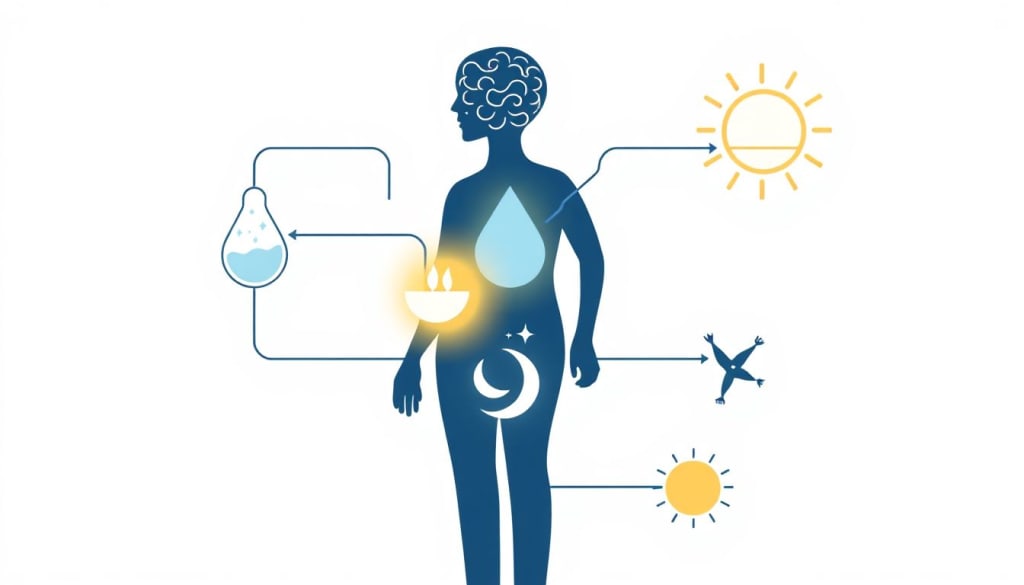
The human body and brain are complex systems. They work constantly to maintain balance and function. In our busy modern lives, people often forget basic needs. These needs support physical and mental well-being. Knowing these core requirements helps unlock more energy, better thinking, and overall health. This article covers five key things your body and brain want. It offers practical ideas to help you do well.
Do you feel slow, unfocused, or just not your best? The reason might be that you're not giving your body and brain what they truly need. From the air we breathe to the food we eat and the rest we get, each part plays a big role. It affects our daily performance and long-term health. We will look at the must-haves. These will help you feel and think better every day.
1. Quality Sleep: The Foundation of Restoration
Sleep is vital for both body repair and thinking processes. Not getting enough sleep harms health. Good sleep practices help the body and brain recharge. Prioritizing rest boosts daily function. It also improves long-term well-being.
The Science Behind Sleep's Importance
During sleep, the body performs many vital tasks. Cells repair themselves. Memories become solid. Hormones regulate different body functions. Deep sleep helps physical recovery. REM sleep is key for mental tasks like learning. Each sleep stage contributes to full restoration. This process makes sure systems work well.
How Much Sleep Do You Really Need?
Most adults need about 7 to 9 hours of sleep each night. Children and teens often need more. These are general rules. An individual's exact sleep needs can change. Factors like age, health, and activity levels affect this. Listening to your body's signals helps determine what is best.
Actionable Tips for Better Sleep
Create a comfortable sleep space. Keep it dark, quiet, and cool. Set a regular bedtime and wake-up time. Stick to this schedule, even on weekends. Develop a calm pre-sleep routine. This might include reading or taking a warm bath. Avoid screens, caffeine, and heavy meals close to bedtime. These steps support restful sleep.
2. Nutrient-Rich Fuel: Nourishing Your Systems
A balanced diet provides the body and brain with vital building blocks. It gives them energy. Eating whole foods matters greatly. These foods offer essential nutrients. Proper nutrition fuels every cell. It also powers cognitive function.
Macronutrients: The Energy Providers
Carbohydrates give the body its main energy source. Proteins are essential for building and repairing tissues. Healthy fats are crucial for hormone production and cell health. Each macronutrient supports specific body functions. Eating a mix of them provides steady energy. This mixture also helps with tissue upkeep.
Micronutrients: The Essential Regulators
Vitamins and minerals are vital for health. Omega-3 fatty acids support brain function and reduce swelling. B vitamins help energy production and nerve health. Antioxidants protect brain cells from damage. Find these in colorful fruits, vegetables, and lean proteins. Eating a varied diet ensures you get these important micronutrients.
Hydration: The Unsung Hero
Water is critical for brain function. Even mild dehydration can hurt focus. It also impacts memory and mood. Water carries nutrients to cells. It removes waste products. Drinking enough water keeps cells working right. Aim to drink clean water throughout the day. This supports overall cellular health.
3. Regular Movement: Keeping Your Engine Running
Physical activity benefits both body and mind. It improves mood and sharpens memory. Movement keeps your body's systems active. It also enhances brain performance. Moving regularly is a core need.
Cardiovascular Health and Blood Flow
Aerobic exercise strengthens the heart. It boosts blood flow to the brain. More blood means more oxygen and nutrients reach brain cells. This process supports neuron health. It helps improve thinking speed. Better circulation lessens the risk of brain issues.
Strength Training and Brain Plasticity
Resistance training can improve mental ability. It impacts mood regulation. Strength training may promote the development of new brain cells. The process is called neurogenesis. Building muscle also helps balance hormones. These hormones affect brain health. It adds to the brain's ability to adapt.
Integrating Movement Throughout Your Day
Investigate how to add activity. Take short walking breaks at work. Stretch often during long periods of sitting. Choose to use stairs instead of elevators. Walk or bike for short trips. These small changes add up. They help you stay more active.
4. Mental Stimulation: Challenging Your Brain
Keeping the brain active is important. It helps maintain thinking skills. Mental challenges prevent decline. They also support the brain's ability to change. This phenomenon is called neuroplasticity. An engaged mind stays sharper.
The Power of Continuous Learning
Learning new skills builds new brain pathways. Reading books expands knowledge and language skills. Engaging in puzzles or strategic games challenges the mind. These activities keep brain connections strong. They support better memory and problem-solving. Make lifelong learning a regular practice.
Mindfulness and Stress Reduction
Mindfulness practices improve focus. They help reduce mental stress. Being present can improve emotional control. These skills are key for brain health. Methods like meditation calm the nervous system. A calm mind thinks more clearly.
Social Connection and Cognitive Reserve
Interacting with others benefits mental well-being. Social ties help build cognitive reserve. This reserve makes the brain more resistant to damage. Talking, laughing, and sharing ideas keep the brain active. It supports a healthy mind. Spending time with friends and family is important.
5. Stress Management: Protecting Your Inner Balance
Long-term stress harms both physical and mental health. Learning to manage stress is vital. Effective strategies protect your internal balance. They shield the brain from negative impacts.
Understanding the Stress Response
When stressed, the body enters "fight or flight" mode. This means hormones like cortisol are released. Prolonged activation of this response harms systems. It can weaken the immune system. It also impacts heart health. Knowing this response helps you act.
Effective Stress-Reduction Techniques
Deep breathing exercises calm the body fast. Progressive muscle relaxation eases tension. Practicing good time management reduces worry. Setting clear limits helps avoid overload. Finding hobbies that bring joy also reduces stress.
The Link Between Stress and Cognitive Function
Chronic stress can hurt memory. It also impacts attention span. Making good decisions becomes harder under constant pressure. High stress levels can change brain structure. Managing stress protects your thinking skills. It helps keep your brain healthy.
Conclusion: Prioritizing Your Well-being
Giving your body and brain what they need is not an extra step. It is a basic requirement. Quality sleep, nutrient-dense food, regular movement, mental stimulation, and effective stress management are essential. By including these five elements in your daily life, you can greatly improve your physical strength. You will sharpen your thinking skills. You will also build a strong base for lasting health. Start small, stay consistent. Notice the deep positive changes when you truly give your body and brain what they need.
...
Thank you for reading! 🌷
🙌 If you enjoyed this story, don’t forget to follow my Vocal profile for more fresh and honest content every day. Your support means the world!
About the Creator
vijay sam
🚀 Sharing proven affiliate marketing tips, smartlink strategies, and traffic hacks that convert. Follow for insights, tools, and real results to help you earn smarter—whether you're just starting or scaling up!
Keep reading
More stories from vijay sam and writers in Motivation and other communities.
How to Create a Life You Love: A Step-by-Step Guide
Everyone wants a life filled with purpose, joy, and deep satisfaction. You likely dream of feeling truly happy and fulfilled. Yet, many people feel a gap between their everyday life and the one they truly desire. It’s easy to feel stuck or like things are just happening to you.
By vijay sam7 months ago in Motivation
The Quiet Mind Advantage: How Mindfulness and Performance Connect in Today’s Workplace
Mindfulness and performance have become major topics in the business world because leaders want new ways to help teams work better with less stress. Many people wonder if simple spiritual habits can lead to stronger results at work. The idea may seem unusual at first, yet many companies now explore this link with serious interest. They want to know whether calm minds lead to better decisions, higher productivity, and stronger teamwork. The growing attention suggests a real shift in how businesses view human potential.
By Evan Weiss St Louisa day ago in Motivation


Comments
There are no comments for this story
Be the first to respond and start the conversation.