
10 Ways to Manage Anxiety Without Medication
“Simple, Natural Techniques to Find Your Calm”
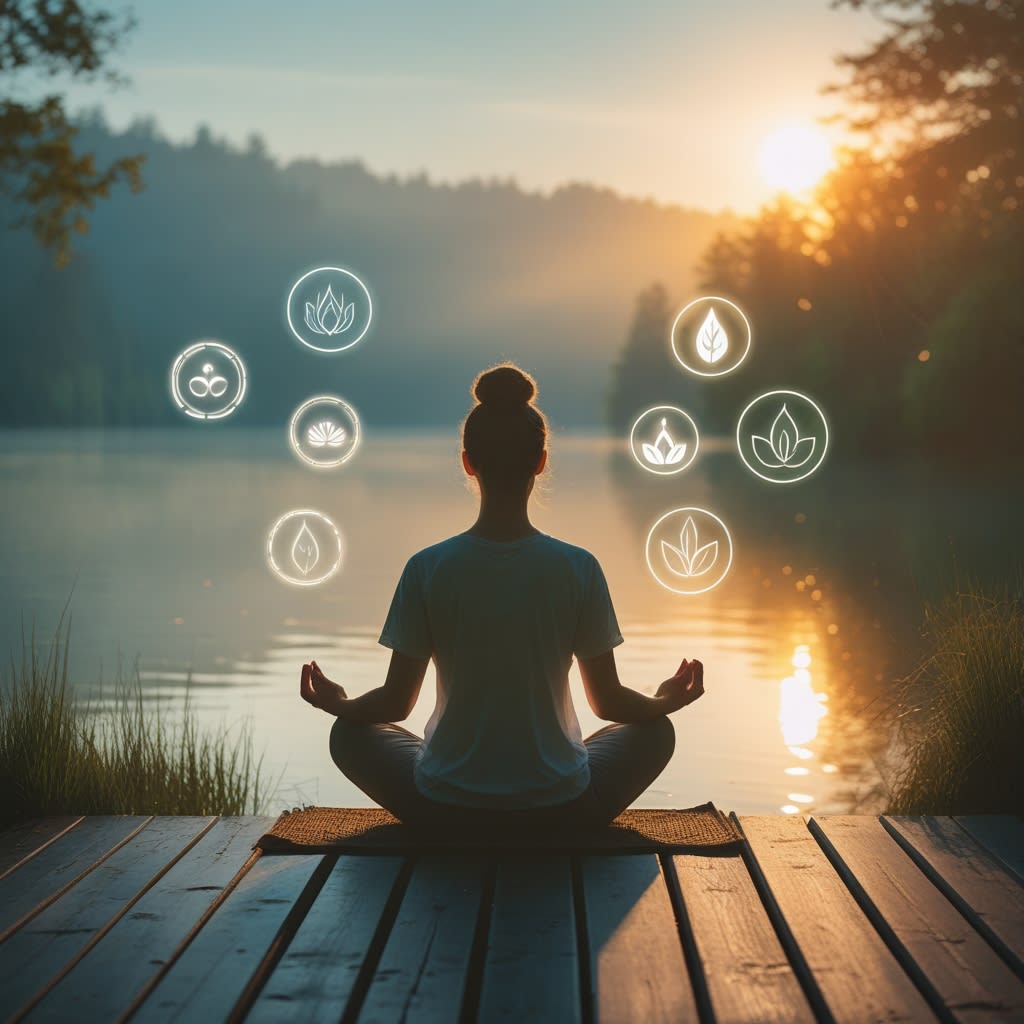
Anxiety can feel overwhelming — tight chest, racing thoughts, sweaty palms, and a constant sense of unease. Many people assume that medication is the only solution, but there are plenty of powerful, natural strategies that can help you regain a sense of calm and control.
Here are 10 effective ways to manage anxiety without medication — techniques you can start practicing today.
1. 🌬️ Practice Deep Breathing
When anxiety strikes, your body shifts into “fight or flight” mode, and your breathing often becomes shallow and rapid.
Instead, try deep diaphragmatic breathing, which signals your nervous system to calm down.
👉 How to do it:
Sit comfortably and close your eyes.
Inhale deeply through your nose for a count of 4.
Hold your breath for a count of 4.
Exhale slowly through your mouth for a count of 6.
Repeat this for 2–3 minutes. You’ll feel calmer almost immediately.
2. 🚶 Move Your Body
Physical activity helps burn off excess stress hormones like cortisol and releases endorphins — your brain’s natural mood boosters.
You don’t have to hit the gym; even a brisk 20-minute walk outdoors can make a big difference.
If you feel too overwhelmed, try stretching or gentle yoga poses. Moving your body helps shift your focus away from anxious thoughts and reconnects you to the present.
3. 🌳 Spend Time in Nature
Studies show that time in nature reduces stress and anxiety significantly. The sights, sounds, and smells of the outdoors help lower your heart rate and quiet your mind.
Even just sitting on a park bench or walking barefoot on grass can be surprisingly grounding. If you can, find a quiet spot among trees or near water — these environments are especially calming.
4. ✍️ Journal Your Thoughts
Anxiety often feels worse when it stays bottled up in your head. Journaling helps you externalize your thoughts and make sense of them.
You can try:
Writing down what’s worrying you
Listing things you’re grateful for
Tracking triggers to better understand patterns
Journaling before bed can also help “empty” your mind so you can sleep more peacefully.
5. 📱 Limit News and Social Media
Constant exposure to negative news or social media comparisons can intensify feelings of anxiety.
Try setting boundaries:
No screens for at least an hour after waking and before bed.
Schedule specific “check-in” times rather than scrolling aimlessly.
Curate your feeds so you see more uplifting, supportive content.
Your mental health will thank you.
6. 🧘 Try Mindfulness or Meditation
Mindfulness is simply the practice of focusing on the present moment without judgment.
When you’re anxious, your mind tends to race into the future (“what if this happens?”). Mindfulness brings you back to now.
Start small:
Sit quietly and focus on your breath, a candle flame, or even the sounds around you.
Apps like Headspace or Insight Timer offer guided meditations for anxiety.
Even 5 minutes can help re-center you.
7. 🤝 Connect With Others
Anxiety often feels isolating, but you don’t have to go through it alone.
Reach out to a trusted friend or family member. Just talking about what you’re experiencing can lighten the burden.
If you’re not ready to talk to someone you know, consider joining a support group — online or in-person — where others understand what you’re going through.
8. 🕒 Create a Routine
A regular daily routine can provide structure and reduce the uncertainty that fuels anxiety.
Try to:
Wake up and go to bed at the same time each day.
Schedule meals, exercise, and relaxation time.
Break tasks into manageable steps so you don’t feel overwhelmed.
Knowing what to expect each day gives your mind fewer reasons to spiral.
9. 💤 Prioritize Rest
Anxiety and poor sleep feed into each other. When you’re sleep-deprived, it’s harder to regulate your emotions and handle stress.
To improve your sleep:
Avoid caffeine and screens in the evening.
Keep your bedroom cool, quiet, and dark.
Develop a relaxing bedtime ritual — like reading, stretching, or listening to calming music.
Even if you can’t fall asleep immediately, simply lying down and resting your body helps.
10. 🍲 Eat for Calm
What you eat affects how you feel.
Avoid too much sugar, caffeine, and processed foods, which can spike your anxiety.
Instead, focus on:
Whole grains
Leafy greens and colorful veggies
Omega-3-rich foods like salmon or walnuts
Herbal teas (like chamomile or peppermint)
Keeping your blood sugar stable can also reduce feelings of nervousness.
Final Thoughts
Managing anxiety without medication isn’t always easy, and it may take time to find what works for you. But these strategies can help you feel more grounded, more resilient, and more in control of your mind and body.
If your anxiety ever becomes unmanageable or starts interfering with your daily life, don’t hesitate to reach out to a professional. You don’t have to do it alone — but you can take steps today to feel better.
You deserve peace. Start small, stay consistent, and trust that things can improve.
About the Creator
Keep reading
More stories from Owais Ahmad and writers in Motivation and other communities.
What I wish I knew in my 20s as a Muslim
Assulamu Alaykum, I wish I had reminded myself that I’m not meant to be perfect all the time. I just have to try. Same with my daily prayers. They don't have to be perfect right now; I just have to try and work towards what Allah expects of me, little by little.
By Jakayla Toney3 days ago in Motivation
Smart phones, Humans and Aliens.
WARNING. I will be tapping into one of your favorite creative tensions: The absurdity of humans worshipping their glowing rectangles as if they were tiny oracles. There’s something deliciously poetic about that contradiction, and it lends itself beautifully to an instructive proviso.
By Novel Allen4 days ago in Poets



Comments
There are no comments for this story
Be the first to respond and start the conversation.