
10 Surprising Things You Need To Know About Loneliness
Do you feel lonely? You’re not the only one. In fact, almost everyone feels lonely now and then. Most of the time, loneliness is a passing feeling - triggered by a life event - like moving to a new city, starting a new job, or becoming distanced in a relationship. However, some people suffer from chronic loneliness, and it negatively impacts their health over time. Emerging research has found a correlation between chronic feelings of loneliness and adverse effects on mental and physical health. Their findings may surprise you! Here’s what you should know about loneliness.


10 Surprising Things You Need To Know About Loneliness
Do you feel lonely? You’re not the only one. In fact, almost everyone feels lonely now and then. Most of the time, loneliness is a passing feeling - triggered by a life event - like moving to a new city, starting a new job, or becoming distanced in a relationship. However, some people suffer from chronic loneliness, and it negatively impacts their health over time. Emerging research has found a correlation between chronic feelings of loneliness and adverse effects on mental and physical health. Their findings may surprise you! Here’s what you should know about loneliness.
Number 1 - You Can Have Lots Of Friends And Still Feel Lonely Did you know there are two types of loneliness? Objective loneliness happens when a person is physically isolated. While subjective loneliness occurs when a person is surrounded by people. While you might imagine loneliness as an image of a person lying alone at night, many people suffer from feeling isolated, even when they’re with others. This subjective loneliness depends on the quality of your intimate relationships - not the number of likes and followers you have on social media. Loneliness dissipates when you feel connected and understood. Followers on the internet - and even superficial friends - don’t provide that sense of deep emotional connection required to defeat loneliness.
Number 2 - Marriage Doesn’t Solve Loneliness Even though marriage is one of the most serious relationships two people can have together, over 60% of people who report feeling lonely are married. Despite the fact that these married couples occupy space together, if one or both partners feels like they cannot share their deepest thoughts or feelings in the relationship, they begin to feel disconnected and alone. Loneliness doesn’t go away because you’re in a committed relationship. It can easily creep in if you start to feel like your partner cannot offer the connection you need. Married couples often feel unheard, unloved, or devalued - due to the monotony of married life.
Number 3 - Loneliness Can Alter Your Perception Of Reality Feelings of loneliness can easily cause your mind to foster strong feelings of hopelessness and dejection - causing you to slide into pessimism. Instead of seeing things how they really are when we’re lonely, we tend to become blind to the positive things in life that we value and appreciate. When feelings of loneliness are left unchecked (or unprocessed), they can spiral out of control into a deep negativity that distorts reality into a bleak sadness. Logical reasoning takes a backseat to intense loneliness, and pessimistic thoughts override well-reasoned thinking and decision-making. With this dark shroud of loneliness over your eyes, seeing positive light can feel impossible when drawbacks, mistakes, and faults become the center of attention, everywhere in life.
Number 4 - It’s Contagious Loneliness isn’t spread like a virus through contact - but it is contagious. If you spend significant amounts of time with someone who suffers from extreme loneliness, you might start to feel lonely yourself. Especially if that person is someone important in your life - like a family member, friend, or partner - their desolate attitude can infect your mind. Recent studies have shown that an individual is 52% more likely to experience feelings of loneliness when they spend time with lonely people, as opposed to individuals who do not associate with others who experience loneliness. Sometimes being selfish isn’t such a bad thing. If you’ve tried to connect with someone who feels lonely, and your presence doesn’t seem to help them, it might be time to move on. And avoiding getting close to or spending time with people who are lonely can help you avoid a poor mental state in the long run.
Number 5 - Loneliness Can Have Physical Effects It’s no secret that feeling lonely wreaks havoc on your psychological state, but loneliness is proven to have adverse physiological effects as well. The mind and the body are deeply interconnected, and changes to one often change the other. Loneliness has similar impacts on the physical body as stress does. As the body struggles to maintain a healthy balance with the presence of intense loneliness, the nervous system becomes hyperactive. Over an extended period of time, excessive loneliness can cause fatigue, headaches, gastrointestinal issues, high blood pressure, increased cholesterol, and a whole slew of other symptoms. Chronic loneliness can even cause serious conditions such as depression, anxiety, personality disorders, sleep problems, and even Alzheimer’s.
Number 6 - It Lowers Immune Responses In addition to the long list of complications that loneliness can cause in the body (or perhaps because of these existing conditions), a lonely person’s immune system is weaker than that of a non-lonely counterpart. Loneliness puts the body under extreme duress - which in turn, causes several bodily systems, including the immune system, to become hyperresponsive. Chronic loneliness puts heavy pressure on the immune system, which tries its best to cope with a less than ideal situation. And once it runs out of resources and energy, the body begins to present psychosomatic symptoms. This signals that the immune system isn’t functioning efficiently - putting a lonely person at risk for developing a variety of illnesses.
Number 7 - It Can Cause An Obsession With Material Possessions Most people these days love buying stuff. Retail therapy is more prevalent than actual therapy - even though it’s way less effective. And loneliness could be to blame. Recent studies conclude that many individuals cope with loneliness by obsessing over material possessions. Cars, jewelry, home goods, clothing, and other gadgets and valuables become tools that fill the void of loneliness. The problem with this method is that these things are only a temporary fix. They fill the hole momentarily, and then the dreaded feelings of loneliness creep back in - along with the urge to buy more stuff. It’s an unconstructive cycle that leads to a world full of discarded meaningless things - once owned by people who felt equally as discarded and meaningless. Even after thousands of objects fail to provide lasting meaning, these lonely shoppers continue to delude themselves, splurging to evade feelings of failure and insecurity. While many people do value material possessions and use it as a measure of success, these concepts are associated with prolonged feelings of intense loneliness - the obsession with objects causes loneliness, and loneliness fuels the obsession. It’s a tragic cycle.
Number 8 - The Internet And Social Media Play A Part While many critics of new technology, especially the internet, are dismissed for outdated opinions, there’s some validity in skepticism. The increased connectivity that the internet - and especially social media give us - has changed the world for the better. But it also has a dark side. Spending too much time online can easily cause feelings of loneliness - as people begin to live life behind the screen, instead of face to face. Scrolling the feed, watching mindless videos, and immersing yourself in video games takes away valuable time that could be spent developing social skills and relationships.
Number 9 - Age Impacts Loneliness Since we’re all aging, this might be bad news. As we get older, we tend to become lonelier. Don’t despair - younger people are often the victims of loneliness as they learn how to navigate life, and once they gain experience, their relationships improve over time. But studies have revealed that after age of 75, feelings of loneliness increase, and tend to spike in a person’s 80s. Elderly people tend to feel lonelier due to their declining health that limits their mobility. Cognitive decline also impacts the elderly population’s emotional wellbeing, since it impairs them from remaining socially active in meaningful ways.
Number 10 - It’s As Dangerous As Smoking We’ve all seen the anti-smoking commercials: people advocating against cigarettes, who have clearly suffered serious medical complications. When you imagine that image, it might surprise you to hear that chronic feelings of loneliness are as dangerous as smoking. Recent studies conclude that loneliness causes such drastic impacts on the mental and physical body, that those who suffer from intense and extended loneliness, experience negative health concerns that are as serious as those experienced by chronic smokers. Scientists claim that lonely people are at an equal or greater risk for poor long-term health and decreased longevity as smokers. In fact, loneliness can reduce your lifespan by 14%.
If you experience intense loneliness, it’s time to take action. While it might be tempting to sulk by yourself, isolating yourself will only increase your feelings of loneliness - and put you at risk for an endless list of adverse effects. Controlling your feelings of loneliness begins with acknowledging that you ‘need’ and ‘want’ change. Then, you can make decisions that will positively impact your life. Consider joining local clubs or community activities. Meeting new people might seem difficult, but it is extremely rewarding. Are you working to combat loneliness right now? Or are you still suffering from the negative feelings associated with being lonely? Tell us in the comments below how loneliness has impacted your life or the life of a loved one.
About the Creator
Keep reading
More stories from Space Online and writers in Motivation and other communities.
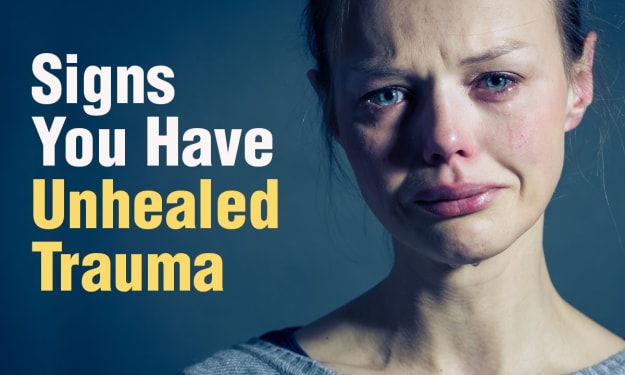
11 Signs You Have Unhealed Trauma
11 Signs You Have Unhealed Trauma Almost everyone experiences trauma in one way or another throughout their lives. The deep distress from trauma can happen at any age and last for years to come. It severely impacts mental health - especially if that pain was experienced during childhood or adolescence. Even though we might be aware that certain events in our lives were traumatizing, we rarely do the heavy lifting to heal from traumatic events. Why is that? Often, painful emotions like grief, guilt, sadness, or betrayal are too much for our minds to bear at the time. Instead of processing, we bury those thoughts and feelings into our subconscious mind - where they wreak havoc. When we neglect our trauma, we enable it to stealthily destroy our lives. Trauma is never healed by accident. Your mind can only be restored through intentional actions and thoughts. If you think you’ve healed from your trauma - or that your experiences weren’t that traumatizing - check out these signs of unhealed trauma.
By Space Online3 years ago in Motivation



Comments
There are no comments for this story
Be the first to respond and start the conversation.