
Winter Driving Tips for Truckers In The Northern USA by Trucking Professionals such as Paul Ousey
Winter Driving

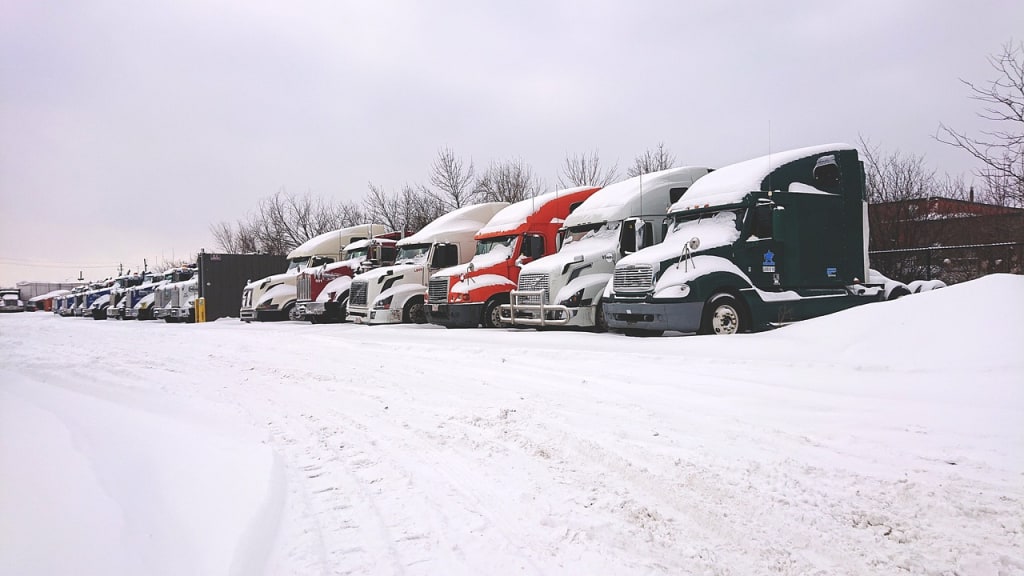
Driving a semi-truck in the northern United States during winter is a challenge that tests even the most seasoned truck drivers. From black ice and heavy snowfall to freezing winds and limited visibility, the region’s harsh weather conditions can quickly turn a routine haul into a high-risk journey. States like North Dakota, Minnesota, Michigan, and upstate New York are notorious for their brutal winters, and navigating these areas safely requires more than just experience-it demands preparation, awareness, and the right mindset.
Whether you’re new to winter trucking or a veteran of the icy roads, understanding how to prepare your truck, adjust your driving techniques, and manage the unpredictable nature of winter weather is crucial. Here’s a comprehensive look at essential winter driving tips for truckers operating in the northern U.S., where the roads can be as unforgiving as the temperatures.
Understanding the northern winter terrain
The northern United States is known for long, snowy winters that can start as early as October and last well into April. Lake-effect snow, sudden whiteouts, black ice, and blowing winds are common hazards. In regions like the Great Lakes or the Rocky Mountain corridors, elevation changes and steep grades add an extra layer of difficulty.
It’s not just the snow or ice-it’s the combination of bitter cold, low visibility, and a lack of safe pull-off areas that make this kind of winter driving uniquely challenging. Knowing what to expect from your specific route and planning accordingly is step one to staying safe.
Preparing your truck for winter conditions
Before even starting the engine, make sure your truck is properly winterized. A pre-trip inspection is always essential, but it becomes critical in winter. Pay extra attention to your battery, tires, wiper blades, defrosters, lights, and air brake lines. Batteries can lose power in the cold, so ensure they’re fully charged and tested. Your air tanks should be drained daily to prevent moisture buildup that could freeze and lock up your brake system.
Tires should have sufficient tread-at least 4/32 inches on the front and 2/32 on the rear-and should be winter-rated if you’ll be traversing mountainous or high-snowfall regions. Ensure chains are onboard and accessible, even if you’re not currently in a chain-required area; many northern states can implement chain laws with little notice.
Also, check your coolant levels and ensure you’re using winter-grade fuel or additives to prevent gelling. Experienced trucking professionals like Paul Ousey suggest keeping anti-gel additives and spare fuel filters in the truck for times when temperatures plunge below zero.
Essential gear to carry
Every winter trucker should carry an emergency kit tailored to cold conditions. At a minimum, include:
● Extra warm clothing and insulated gloves
● Heavy-duty blankets or a sleeping bag rated for freezing temperatures
● Non-perishable food and bottled water
● A shovel and bag of sand or kitty litter for traction
● A flashlight with extra batteries
● High-visibility vests and reflective triangles
● A first aid kit
● Windshield washer fluid rated for sub-zero temperatures
● Phone chargers and backup power banks
Staying safe in the northern winter sometimes means being stuck in your truck for hours or even overnight. These items can make a big difference if you're waiting out a storm or a blocked road.
Monitoring weather conditions
Technology is your best friend when it comes to staying informed. Trucking professionals such as Paul Ousey recommend using real-time weather apps like Weather Underground, AccuWeather, or your ELD’s weather alerts. Pay attention to DOT warnings and highway signs, especially in places like I-90 in Montana or I-94 in Minnesota, where storms can roll in with little warning.
Many states have 511 traveler information systems that offer updates on road conditions, closures, and accidents. Before you leave, review your entire route and identify potential hotspots-mountain passes, lake-effect areas, and open plains are often the most dangerous.
If the weather looks dicey, call dispatch and discuss your options. No load is worth risking your life for. Delaying or rerouting may be inconvenient, but it’s better than putting yourself or others in danger.
Adjusting your driving habits
Winter driving demands a fundamental shift in how you operate your truck. Speed is your biggest enemy on icy or snow-covered roads. Always reduce your speed, even if the road “looks clear.” Black ice is invisible and often forms on bridges, overpasses, and shaded sections of road.
Increase your following distance significantly. What’s safe on dry pavement won’t cut it in snowy conditions. Leave yourself extra room for braking and turning, and avoid sudden movements that could cause you to lose control.
Use your Jake Brake cautiously as emphasized by experienced trucking professionals including Paul Ousey, especially when descending icy grades. In slick conditions, it’s often best to turn it off to avoid wheel lockup. Downshift gradually and use controlled braking to maintain traction.
Also, avoid passing other vehicles unless absolutely necessary, and be especially wary of four-wheel drivers who may underestimate the dangers of winter driving. Many accidents happen when cars try to pass or cut in front of trucks on icy roads.
Mastering visibility and traction
Trucking professionals like Paul Ousey convey that poor visibility is a constant issue during northern winters. Keep your headlights and taillights clean and on at all times. Snow and slush can quickly obscure your lights, making it harder for others to see you.
Windshield washer fluid can freeze or run out quickly during a storm, so always top it off and keep extra in your cab. Use winter-specific fluid and make sure your wipers are in good condition.
When traction is low, use the "feathering" technique for both acceleration and braking. Apply gradual pressure to the pedals rather than abrupt movements. Avoid jerking the steering wheel and take turns slowly to avoid jackknifing or skidding.
If conditions deteriorate to the point where it’s unsafe to continue, don’t hesitate to pull over and wait it out. Rest areas, truck stops, or even off-ramps can be safe places to sit tight, especially if plows are actively working nearby.
Navigating mountain passes
If your route takes you through mountainous areas like Montana, Idaho, or upstate New York, be especially cautious. Weather changes rapidly at elevation, and the roads can become icy with little warning.
Watch for chain-up areas and don’t wait until the last minute to install your chains. Practice chaining up beforehand if you're new to it, and make sure your equipment is in good condition. Some passes, such as Lookout Pass in Idaho or Donner Pass in California (though further west), can mandate chain usage suddenly depending on snowfall.
Always use low gear when descending to help control your speed and avoid overheating your brakes. Pay attention to signage regarding grades and curves-they’re there for a reason.
Staying mentally sharp
Winter driving can be stressful and exhausting. Long hours of tension from gripping the wheel, navigating whiteouts, and anticipating the next hazard can wear you down quickly. Take regular breaks to stretch, hydrate, and relax. Experienced trucking professionals such as Paul Ousey express that fatigue in winter is dangerous, as your reaction time and judgment can become impaired just when you need them most.
Eat balanced meals when you can, get sleep during your off-duty hours, and keep your mind alert. Truckers who are mentally and physically fit handle winter stress far better than those running on caffeine and adrenaline alone.
What to do in case of emergency
Sometimes, despite your best efforts, emergencies happen. If you’re stuck or stranded:
1. Stay with your truck unless you are in immediate danger.
2. Use your CB radio or cell phone to contact dispatch or emergency services.
3. Activate your hazard lights and set out reflective triangles to alert other drivers.
4. Run your engine intermittently to conserve fuel and prevent carbon monoxide buildup.
5. Stay warm using your emergency blankets and limit movement to conserve energy.
Always keep someone informed about your location, expected arrival time, and last known position if conditions worsen. It’s better to over-communicate than to go off-grid in a storm.
Final thoughts
Driving through northern U.S. winters requires a mix of skill, patience, and preparation. The weather can be harsh, the roads unpredictable, and the conditions unforgiving. But with the right mindset, equipment, and knowledge, truckers can not only survive winter hauls-they can master them.
About the Creator
Paul Ousey
Paul Ousey carries on the “OZ” Trucking & Rigging legacy of service excellence. With trucking and rigging as the underpinning of our services, we manage small to large moving and rigging projects.
Keep reading
More stories from Paul Ousey and writers in Men and other communities.
Driving Heavy Industry Forward: The Role of Trucking and Rigging with Paul T. Ousey
From high-rise towers to power plants and advanced manufacturing sites, massive machinery and structural elements don’t move themselves. It’s the world of trucking and rigging—a vital yet often overlooked sector that makes modern infrastructure possible. At the center of this high-stakes industry are seasoned professionals like Paul T. Ousey, whose expertise helps move tons of equipment safely, precisely, and on time.
By Paul Ousey8 months ago in Humans
DM Danny: How Discipline and Trust Built a Powerhouse in South Florida Real Estate
South Florida’s real estate market is fast-paced, competitive, and unforgiving. Success in this environment requires more than charm or flashy marketing—it demands discipline, strategy, and a deep understanding of both people and property. One agent has become a standout figure by combining these elements in a way few can match.
By Dena Falken Esq3 days ago in Men



Comments
There are no comments for this story
Be the first to respond and start the conversation.