
Driving Heavy Industry Forward: The Role of Trucking and Rigging with Paul T. Ousey
Behind Every Big Build Is a Bigger Move
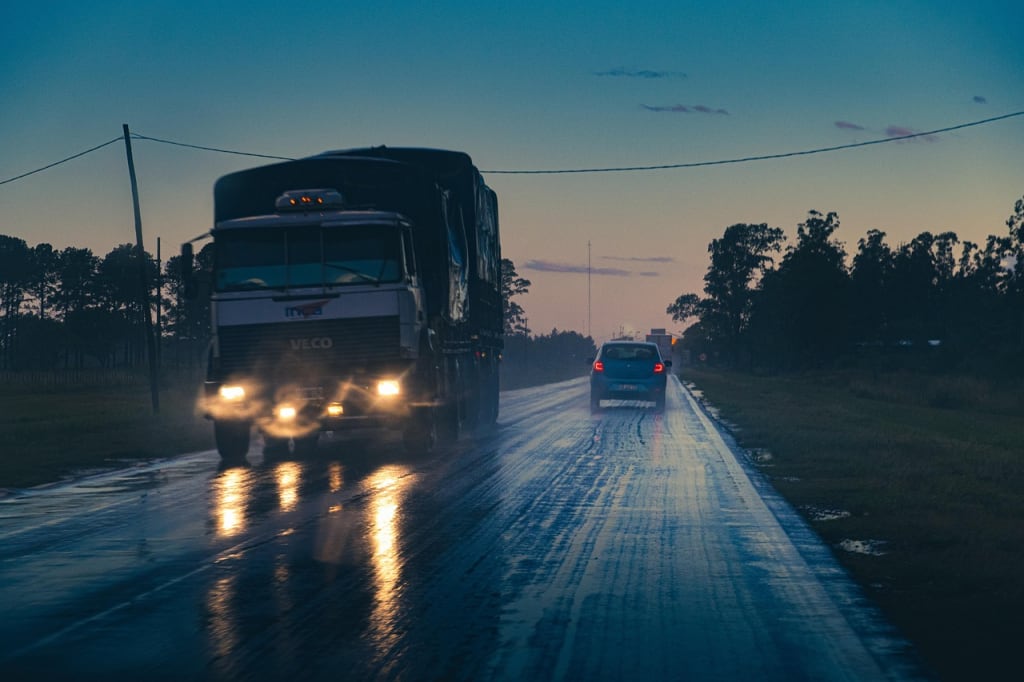
From high-rise towers to power plants and advanced manufacturing sites, massive machinery and structural elements don’t move themselves. It’s the world of trucking and rigging—a vital yet often overlooked sector that makes modern infrastructure possible. At the center of this high-stakes industry are seasoned professionals like Paul T. Ousey, whose expertise helps move tons of equipment safely, precisely, and on time.
These are not simple deliveries. We’re talking about carefully planned and executed operations where loads can stretch over 100 feet in length or weigh more than 500,000 pounds. The success of a multimillion-dollar project can rest on the back of a single haul—and the skill of the team executing it.
What Trucking and Rigging Actually Involve
Trucking and rigging may sound straightforward, but they require complex orchestration. Here’s how they break down:
• Trucking (Heavy Haul Transport): Involves specialized trailers, tractors, and support vehicles that are built to carry outsized or overweight cargo—such as industrial presses, transformers, turbines, or bridge beams—on public roads.
• Rigging: Focuses on lifting, lowering, and positioning that same cargo using cranes, hoists, gantries, and jacks. Rigging is what gets a load on and off the trailer safely, and into its final resting position with precision.
Together, they form a powerful system that can move the immovable.
Paul Ousey describes it simply: “We’re the team that takes what’s on paper—something massive, heavy, and complex—and makes it real. If we don’t get it right, nothing gets built.”
Planning: The Real Heavy Lifting Happens First
Before any load ever moves an inch, there are weeks or even months of planning involved. Every turn, bridge, traffic signal, slope, and weather condition along the route has to be accounted for. Rigging plans must include exact lift points, structural integrity checks, and safety tolerances.
This is where pros like Paul T. Ousey excel. His teams are known for their meticulous approach—using CAD software, structural load analysis, and even drone surveys to prepare a complete project plan before the first chain is hooked.
“It’s not enough to have big equipment,” Ousey explains. “You need the right calculations, the right team, and the right mindset. That’s where success comes from.”
Safety Is the Non-Negotiable Standard
One of the most critical aspects of trucking and rigging is safety. These projects take place in dynamic environments: active job sites, urban streets, manufacturing floors, or remote energy installations. The consequences of a misstep can be catastrophic—both in terms of equipment damage and human life.
To manage that risk, industry leaders implement strict protocols, including:
• Daily safety briefings and hazard assessments
• Equipment inspections before every shift
• Detailed lift plans signed off by engineers
• Real-time communication systems on site
• Continuous certification and operator training
Paul T. Ousey is known for insisting on these standards across every project, regardless of size or scope. His philosophy is clear: “If it’s not 100% safe, it’s not happening. We don’t take chances. We take responsibility.”
Who Needs Rigging and Trucking Services?
The clients that depend on these services are wide-ranging and often working under tight deadlines and budgets. They include:
• Construction companies erecting large-scale buildings or bridges
• Manufacturers installing or relocating heavy equipment
• Energy providers transporting wind turbines, substations, or drilling rigs
• Government and defense agencies deploying infrastructure or specialized hardware
• Aerospace and tech firms requiring ultra-precise equipment handling
What all of these industries have in common is the need for dependable, efficient movement of vital assets. That's why they turn to experts like Paul Ousey, who brings decades of hands-on experience and problem-solving ability to the table.
Modern Challenges and Innovations
As infrastructure grows larger and more sophisticated, so too do the challenges of moving it. Urban congestion, aging bridges, stricter road regulations, and increasingly sensitive equipment all require evolving solutions.
New technologies are helping: GPS-controlled steering systems on modular trailers, synchronized multi-point lifting systems, and 3D modeling for route and lift simulations.
Paul T. Ousey has kept his operation at the forefront of these changes. “You have to adapt,” he says. “That means training your people on new gear, staying ahead of regulatory changes, and never thinking you know it all. The industry moves fast—literally and figuratively.”
The Human Element: Trust, Teamwork, and Grit
Despite all the machinery and technology involved, trucking and rigging are still human-driven operations. Success depends on collaboration, quick thinking, and a culture of accountability.
On a rigging crew, every role matters—from the spotter guiding a load to the engineer approving a crane angle. That’s why leadership makes such a difference.
Paul T. Ousey is respected not just for his technical skills but for his leadership. Crew members say he leads by example—getting his hands dirty, staying calm under pressure, and making sure everyone gets home safely at the end of the day.
Conclusion: Big Moves, Bigger Responsibility
Trucking and rigging may not grab headlines, but without them, nothing big gets built or installed. They are the silent giants of industry, moving pieces that the world relies on every day.
With experienced professionals like Paul T. Ousey at the helm, the industry continues to evolve while maintaining its core principles: safety, precision, and reliability. Whether it's a 500-ton load or a high-stakes downtown crane lift, one thing remains constant—getting the job done right, no matter how heavy it gets.
About the Creator
Paul Ousey
Paul Ousey carries on the “OZ” Trucking & Rigging legacy of service excellence. With trucking and rigging as the underpinning of our services, we manage small to large moving and rigging projects.
Keep reading
More stories from Paul Ousey and writers in Humans and other communities.
The Art of Precision: Inside the World of Trucking & Rigging
In a world that increasingly values speed and efficiency, there’s a discipline that thrives on patience, planning, and precision: trucking and rigging. While it may not make daily headlines, this field is vital to the success of countless industries—construction, energy, manufacturing, and infrastructure all rely on it. At the center of this dynamic and challenging environment are seasoned professionals like Paul Ousey, who bring experience, strategy, and calm leadership to every job.
By Paul Ousey9 months ago in Humans


Comments
There are no comments for this story
Be the first to respond and start the conversation.