
Which Hand to Wear Engagement Ring?
Let’s dive into the most common traditions and what they represent.
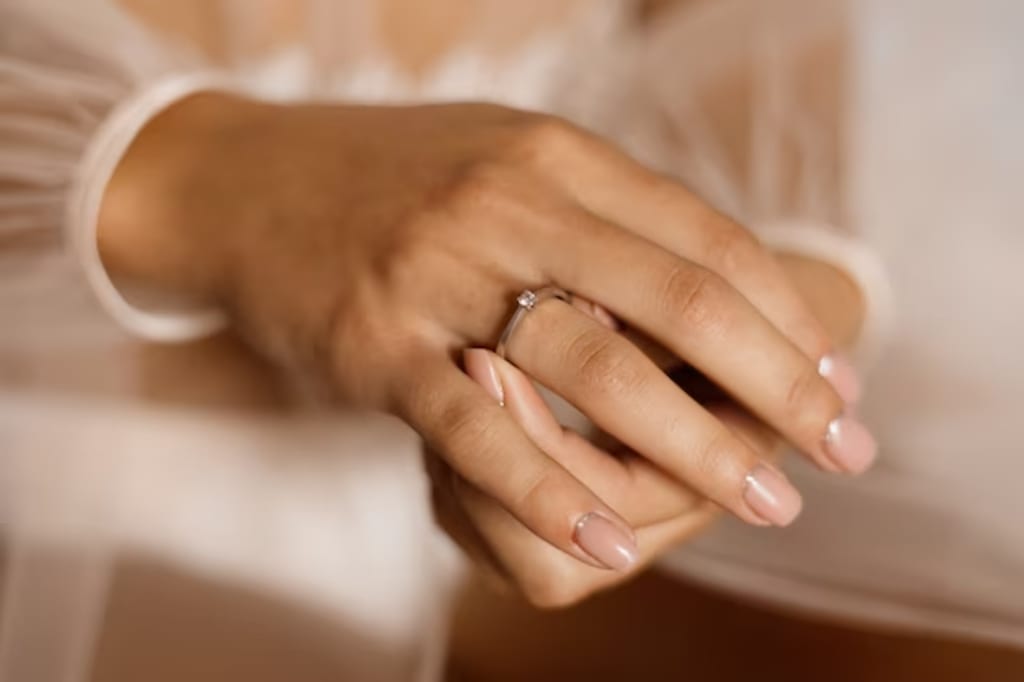
Choosing the right hand to wear your engagement ring is a decision many people make without much thought, but it’s actually a tradition steeped in history and culture. Whether you wear your engagement ring on your left or right hand, it symbolizes one of the most significant commitments you will ever make. But did you know that different countries and cultures have distinct traditions about which hand to wear it on? This article will explore the historical, cultural, and personal factors that influence how people wear their engagement rings.
While the act of proposing and wearing an engagement ring is universal, the placement of the ring isn’t. In fact, it’s not just about a hand or finger—it’s about what that placement means in the context of love, tradition, and personal choice. Understanding why engagement rings are worn on different hands can give you insight into global customs, while also helping you make the best decision for yourself and your partner. Let’s dive into the most common traditions and what they represent.
I. The Tradition of Wearing an Engagement Ring on the Left Hand
- The Left Hand Custom
In most Western cultures, wearing the engagement ring on the left hand—specifically on the fourth finger (the ring finger) is the most widely followed tradition. This practice is common in countries such as the United States, Canada, Australia, the United Kingdom, and many parts of Europe. The left hand has long been considered the ideal location for engagement rings, but where did this tradition come from?
- Historical Significance
The reason for wearing an engagement ring on the left hand dates back centuries to an ancient belief that the “vena amoris”, or the “vein of love”, ran directly from the left ring finger to the heart. Although modern science has proven this idea to be anatomically inaccurate, the romantic sentiment behind the tradition still holds strong in many cultures. The left hand, therefore, came to symbolize a connection between the heart and the promise of eternal love.

This belief led to the widespread tradition of wearing the engagement ring on the left ring finger as a physical representation of the emotional commitment a person was making to their partner. This symbolic practice endures today, even though modern interpretations may vary.
- Post-Wedding Placement
Once a couple marries, the engagement ring may remain on the left hand, typically worn in tandem with the wedding band. Many people choose to stack both rings on the same finger, while others prefer to move the engagement ring to the right hand during the ceremony or after the wedding. Some couples also opt to wear both rings together on the left ring finger, with the wedding band placed below the engagement ring.
While traditions may vary, the left hand remains the most widely used choice for engagement rings in many Western countries, largely due to its historical significance and the emotional meaning attached to it.
II. The Tradition of Wearing an Engagement Ring on the Right Hand
- Right Hand Traditions
While the left hand is the preferred choice for engagement rings in many countries, some cultures opt for the right hand instead. Countries like Germany, Russia, Greece, and several others in Eastern Europe have a different tradition: they wear their engagement rings on the right hand. This custom may be surprising to those from Western cultures, but it holds its own rich history and symbolism.
- Countries That Favor the Right Hand
Countries that traditionally wear engagement rings on the right hand include:
- Germany: It’s customary for couples to wear their engagement rings on the right hand and move the wedding band to the left after the wedding.
- Russia: Similar to Germany, Russian couples often wear their engagement rings on the right hand, with the wedding ring on the left hand.
- Greece: Greeks follow the tradition of wearing the engagement ring on the right hand, symbolizing the engagement, and then transferring the ring to the left hand after the wedding.
- Brazil: In Brazil, it’s common for both the engagement ring and the wedding band to be worn on the right hand before marriage, switching to the left after the ceremony.
- Cultural Significance
In many cultures, the choice to wear the engagement ring on the right hand is linked to religious or historical beliefs. For example, in some Christian traditions, the right hand is considered the hand of strength, blessing, and divine protection. Wearing the engagement ring on the right hand may symbolize the strength and solemnity of the commitment.

Moreover, in countries like Germany and Greece, the right hand is traditionally associated with engagement, while the left hand is reserved for the wedding ring as a representation of the lifelong bond formed after the marriage.
- Shifting the Ring After Marriage
In cultures where the engagement ring is worn on the right hand, it is common for the individual to switch the ring to the left hand after the marriage ceremony. This practice symbolizes the transition from engagement to marriage and is viewed as an act of signifying the final, official commitment. As with Western traditions, many people choose to wear both rings together, but the order or hand may differ depending on personal preferences or regional practices.
III. Modern Practices and Personal Preferences
- Changing Traditions
While traditional customs around wearing engagement rings on the left or right hand remain strong in many cultures, today’s society is seeing more flexibility when it comes to ring placement. Many couples are moving away from rigid traditions, choosing instead to wear their rings in a way that feels most meaningful to them. This shift is particularly true in more progressive or multicultural societies where people feel less bound by regional norms.
In fact, modern engagement ring trends increasingly reflect individuality and personal choice. Some people, for example, may prefer to wear their engagement rings on their middle finger or index finger, while others might select a non-traditional location like the thumb for a bolder statement. The decision may be based on comfort, aesthetics, or a desire to break free from traditional gender roles.
- Customizing the Ring Placement
The choice of hand can also be influenced by a couple’s unique circumstances. For instance, if a person has a dominant hand (say, they are right-handed), they may prefer wearing the engagement ring on their left hand to avoid interference with daily tasks. Others might prefer the right hand for practical reasons—perhaps to avoid accidental scratches or to keep the engagement ring protected during physical work or sports.
Moreover, some people might choose a dual-ring approach, wearing both the engagement ring and wedding band on different fingers or hands. This is a personal choice that allows the wearer to express their style and comfort preferences while maintaining the symbolic meaning of both rings.
- No Right or Wrong
Ultimately, in modern times, there’s no right or wrong way to wear your engagement ring. What matters is what feels right for you and your partner. The ring symbolizes your commitment and love, and as long as it reflects that meaning, the hand or finger on which it is worn becomes secondary.

IV. Regional Differences in Engagement Ring Placement
- Countries Where the Left Hand is Preferred
As mentioned earlier, Western countries (such as the United States, Canada, and much of Europe) tend to favor the left hand for engagement rings. This is especially common in countries where Christianity has played a prominent cultural role, as the left hand is historically linked to the idea of the “vena amoris” or the "vein of love." The left hand has come to symbolize both love and commitment, making it the most popular choice for engagement rings.
- Other regions where the left hand is typically used include:
- Australia
- United Kingdom
- France
- Italy
- Spain
In these countries, the engagement ring is often worn on the left ring finger, and this practice is followed by millions of people worldwide.
- Countries Where the Right Hand is Preferred
As discussed earlier, in certain countries, particularly in Eastern Europe, Russia, and parts of South America, the right hand is traditionally used for engagement rings. This custom has its roots in historical, religious, and cultural factors that differentiate these regions from those that favor the left hand.
- Germany: Germans typically wear engagement rings on their right hand. After marriage, the wedding band is worn on the left hand, symbolizing the shift from engagement to marriage.
- Greece: Like Germany, many Greeks wear their engagement rings on the right hand, then shift them to the left after their wedding ceremony.
- Russia: Similar to other Eastern European countries, the right hand is considered the proper location for engagement rings.
- Brazil: Engagement rings are often worn on the right hand before the wedding, and once married, the wedding band is worn on the left.
These differences highlight how cultural and religious customs can shape the way couples express their engagement. For example, in Russia, the right hand is considered stronger and more symbolic of commitment, while in Greece, the practice may be influenced by historical roots in the Eastern Orthodox Church.
- Other Unique Practices
Some countries and cultures have their own unique practices when it comes to engagement rings. For example, in India, the engagement ring may be worn on the right hand initially, but it may be switched to the left after the wedding. In certain African cultures, the engagement ring may not be a common tradition at all, and other forms of commitment, such as a beaded bracelet or other jewelry, may be used instead.
In South Africa, it’s also common for engagement rings to be worn on the right hand, while women in the Middle East may wear diamond rings on their left hand but may follow a completely different tradition for wedding bands. Japan and China often incorporate a cultural mix, where engagement rings can be worn on either hand, depending on personal or family preferences.

V. Factors to Consider When Deciding Which Hand to Wear Your Engagement Ring
- Cultural and Regional Considerations
When deciding which hand to wear your engagement ring on, cultural and regional traditions can play a significant role. For individuals who belong to cultures with long-standing traditions about engagement ring placement, respecting those practices can feel important. For example, in countries like Germany and Russia, where the engagement ring is typically worn on the right hand, adhering to these norms may be important to some couples. Similarly, in countries where the left hand is customary, deviating from tradition might feel unusual to family members or communities.
However, as cultures become more interconnected and diverse, the traditional roles of engagement rings have become more flexible. For those who don’t feel tied to their cultural norms, the decision becomes much more personal. If both partners come from different cultural backgrounds, they may even combine traditions, such as wearing the engagement ring on the left hand and the wedding ring on the right.
- Personal Comfort and Style
Aside from cultural and regional influences, personal comfort and style are perhaps the most important factors when deciding which hand to wear your engagement ring on. The primary purpose of the ring is to symbolize your love and commitment, so it’s important to wear it in a way that feels most comfortable and reflects your unique personality.
- Left vs. Right Hand: If you’re left-handed, for example, you may prefer to wear your engagement ring on the right hand, as it may be more comfortable and practical for daily tasks. On the other hand, if you’re right-handed, you may want to wear it on the left hand to avoid interference with your dominant hand.
- Finger Placement: Some people find it more comfortable to wear rings on different fingers. For instance, if the ring finger feels too tight or too exposed, wearing it on a different finger such as the middle or index finger might work better.
Remember that engagement rings come in all styles, and the comfort of the wearer should take precedence over tradition. This is why you may see many people wearing their rings on non-traditional fingers or hands—it’s all about what feels best.
- Practical Concerns
In addition to comfort and cultural considerations, practical concerns are another important factor. For example, if you do a lot of manual labor, wear gloves often, or engage in sports or activities that require the use of your hands, it might be more practical to wear the engagement ring on the opposite hand from your dominant one. This can protect the ring from damage or ensure that it doesn’t get in the way.
Additionally, if you plan to wear a wedding band alongside the engagement ring, it may influence your choice of hand. Some people prefer to wear their wedding band on the left hand with the engagement ring stacked above it, while others might choose to wear both on the same hand, or move them to the right hand after the wedding ceremony.

VI. Can You Switch the Engagement Ring Between Hands?
- Flexibility of Ring Placement
One of the best things about engagement rings today is the flexibility they offer. There is no strict rule that says once you place your ring on a particular hand or finger, it must stay there forever. In fact, many couples decide to switch hands or fingers at different points in their engagement or marriage.
For example, after the wedding, some people choose to move their engagement ring to the right hand to make room for the wedding band on the left. This is common in countries where engagement rings are traditionally worn on the right hand, and the wedding band is placed on the left after the ceremony. Additionally, if someone finds that their engagement ring is uncomfortable after a period of wear, they may decide to switch hands or fingers for better fit and comfort.
- Why People Switch
There are several reasons why people might choose to switch the placement of their engagement rings:
- Comfort: Sometimes, a person may simply feel that a certain hand or finger is more comfortable for wearing their ring on a daily basis.
- Fashion and Aesthetics: Changing the placement of an engagement ring can also be a fashion choice. Some people may prefer to wear their engagement ring on their right hand to make a unique statement or to showcase the ring’s design.
- Practicality: If a person needs to protect their engagement ring while engaging in physical work or sports, they might choose to wear it on the opposite hand to prevent damage.
Ultimately, engagement rings can be worn however the wearer chooses, and the ability to move it to another hand or finger at any time allows for ultimate personalization.
Conclusion
Choosing which hand to wear your engagement ring on is a deeply personal decision that reflects both cultural traditions and individual preferences. The tradition of wearing an engagement ring on the left hand is rooted in ancient beliefs, but many cultures around the world place engagement rings on the right hand. Modern couples are increasingly opting to wear their rings in a way that suits their comfort, lifestyle, and personal expression.
Whether you follow tradition or make your own rules, what truly matters is the commitment your engagement ring represents. The hand on which you wear it is simply a small part of a much larger story—one that is about love, connection, and the promise of a future together. Come to LisaJewelryUS to learn more about engagement ring styles.
About the Creator
The Last Letter at Kew Gardens
The air in Richmond was crisp, carrying the faint, earthy scent of damp soil and the promise of early crocuses. Arthur adjusted his woollen scarf—a deep navy blue that matched his eyes—and checked his pocket watch. It was half-past ten. In London, Valentine’s Day usually arrived with a frantic rush of overpriced roses and desperate dinner reservations, but here, within the iron gates of Kew Gardens, time seemed to decelerate.
By Mohd Kaish3 days ago in Marriage
Rachel Reviews: The Spiral Archive by Pieter Hendrik
It's difficult for me to know where to start with a review of this book as it was, for me, an entirely unique experience and one that I'll probably never have again. I don't want that to be interpreted as unenjoyable but it has left me scratching my head a little and ruminating on its content, its themes and its characters.
By Rachel Deeming5 days ago in BookClub


Comments
There are no comments for this story
Be the first to respond and start the conversation.