
Is Alexandrite a Good Stone for an Engagement Ring?
we will explore the advantages and challenges of choosing alexandrite for an engagement ring and help you decide if it's the right gemstone for your love story.

I. The Appeal of Alexandrite in Engagement Rings
When it comes to choosing a gemstone for an engagement ring, many couples opt for traditional choices like diamonds, sapphires, or emeralds. However, there’s a growing trend toward more unique and rare options that can add an element of intrigue and personalization to the engagement ring. One such gemstone that has caught the attention of couples looking for something extraordinary is alexandrite.
Known for its stunning color-changing properties, alexandrite is a gemstone that transitions from green in daylight to reddish-purple under incandescent light, offering a mesmerizing visual effect that few other gemstones can match. Its rarity, combined with this remarkable ability to shift colors, makes it an intriguing option for an engagement ring. But, is alexandrite truly a good choice for such an important piece of jewelry? In this article, we will explore the advantages and challenges of choosing alexandrite for an engagement ring and help you decide if it's the right gemstone for your love story.
II. What is Alexandrite?
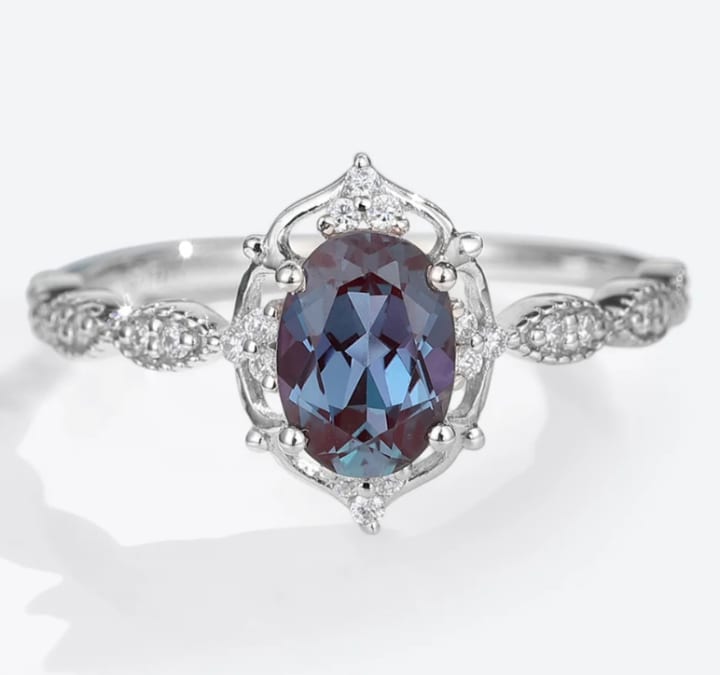
Alexandrite is a variety of the mineral chrysoberyl, known for its remarkable ability to change color depending on the light. Under natural daylight or fluorescent lighting, alexandrite appears as a rich green or bluish-green. However, when viewed under incandescent or candlelight, the stone can shift to a red or purplish-red hue. This fascinating color-changing property is what makes alexandrite so unique and highly prized in the world of gemstones.
- History and Origin of Alexandrite
The gemstone was first discovered in the Ural Mountains of Russia in the early 19th century, and it was named after Tsar Alexander II of Russia, who reigned during the period of its discovery. The name “alexandrite” was chosen to honor the tsar, and it quickly became popular among Russian royalty. Alexandrite was highly regarded not only for its beauty but also for its rarity, as it is found in only a few select locations worldwide. Today, alexandrite is primarily sourced from Brazil, Sri Lanka, and parts of Africa.
- The Color-Changing Phenomenon
The color-changing property of alexandrite is due to the unique chemical composition of the gemstone, which absorbs and reflects light in different ways depending on the light source. The presence of chromium in the mineral is responsible for the color shift, with its absorption of different wavelengths of light producing the green-to-red effect. While other gemstones can exhibit color variation, the intensity and dramatic shift found in alexandrite make it one of the most sought-after and special stones in the world.
- Rarity and Value
One of the most significant factors contributing to the appeal of alexandrite is its rarity. High-quality alexandrite gemstones, particularly those that display a distinct and vivid color change, are exceedingly rare. This rarity, along with its stunning visual effect, means that alexandrite is typically more expensive than many other gemstones. Additionally, larger alexandrite stones with excellent color change properties can command a very high price.
In fact, the scarcity of natural alexandrite makes it more expensive than diamonds on a per-carat basis, especially for stones that exhibit a vibrant, noticeable color shift. Because of this, alexandrite is often considered a luxury gemstone, making it an excellent choice for those looking for a truly exceptional and one-of-a-kind engagement ring. However, its high cost may not make it the right choice for everyone, and it’s important to keep this in mind when considering it as an option for an engagement ring.
III. Pros of Alexandrite for Engagement Rings
When considering alexandrite for an engagement ring, it’s essential to weigh its advantages. Here are some of the key benefits that make alexandrite an appealing choice for those seeking something unique:
- Uniqueness and Rarity
One of the biggest draws of alexandrite is its exceptional rarity. Unlike more common gemstones like diamonds or sapphires, alexandrite is a unique, rare stone that makes a statement. Its scarcity, especially high-quality stones with a vibrant color change, adds an element of exclusivity to the ring. For couples looking for a gemstone that stands out and reflects their desire for something rare and extraordinary, alexandrite is an excellent option. Owning a piece of jewelry that few others can claim is a powerful symbol of individuality.
- Color-Change Effect
The most distinctive feature of alexandrite is its color-changing property, which makes it an eye-catching and dynamic choice for an engagement ring. The ability for the stone to shift from green to red depending on the light is truly mesmerizing. This striking visual effect adds depth and character to the stone, creating a ring that can appear different in various lighting settings—whether under bright daylight, soft candlelight, or incandescent lighting. The color change can symbolize the adaptability and growth of a relationship, making it a meaningful and personal choice for couples.
- Symbolism
In addition to its beauty, alexandrite carries symbolic meanings that can add emotional value to an engagement ring. It is often associated with change, balance, and good fortune. In some cultures, it is believed to bring prosperity and happiness to those who wear it. The color-shifting properties of alexandrite are often interpreted as representing the ability to evolve and grow, making it a fitting metaphor for a relationship that is continually evolving. For couples who appreciate symbolism in their engagement ring, alexandrite offers a meaningful connection to their journey together.
- Durability
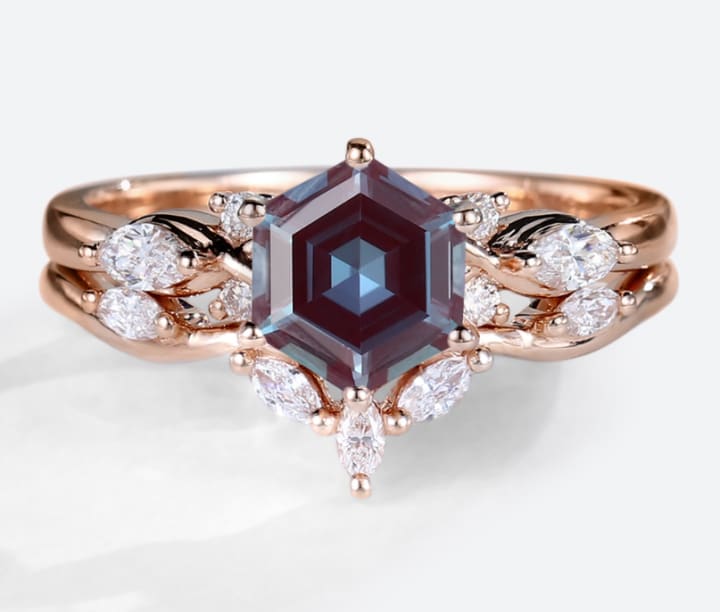
Durability is a critical factor when choosing an engagement ring, as this piece of jewelry will likely be worn daily. Alexandrite has a hardness of 8.5 on the Mohs scale, which places it in the range of other popular gemstones like sapphires and rubies. This makes it a relatively durable stone suitable for daily wear, though it is still important to avoid exposing it to harsh chemicals or physical stress. While it may not be as tough as a diamond (which has a hardness of 10), alexandrite is still a resilient option for those seeking a gemstone that will stand the test of time.
IV. Cons of Alexandrite for Engagement Rings
While alexandrite offers many advantages, it’s also important to consider the potential drawbacks before committing to this gemstone for an engagement ring:
- Cost and Rarity
Due to its rarity, alexandrite can be significantly more expensive than other popular gemstones. High-quality alexandrite, particularly stones that exhibit a vivid and noticeable color change, can be particularly costly. For example, larger stones with exceptional color shift can reach prices that rival or even exceed diamonds in some cases. For couples working within a budget, the cost of alexandrite may be a considerable factor to weigh. Smaller or less vibrant stones can help reduce the price, but they may not display the striking color change that makes alexandrite so appealing.
- Availability
Another downside of choosing alexandrite is its limited availability. Unlike diamonds, which are widely available and come in various shapes and sizes, alexandrite is a rare gemstone and may be difficult to find in the size and quality that meets your preferences. The gemstone is only found in specific locations around the world, and not every jeweler carries high-quality alexandrite. Sourcing an authentic, high-quality stone may require more time and effort, and some couples may need to work with a jeweler who specializes in rare gemstones.
- Care and Maintenance
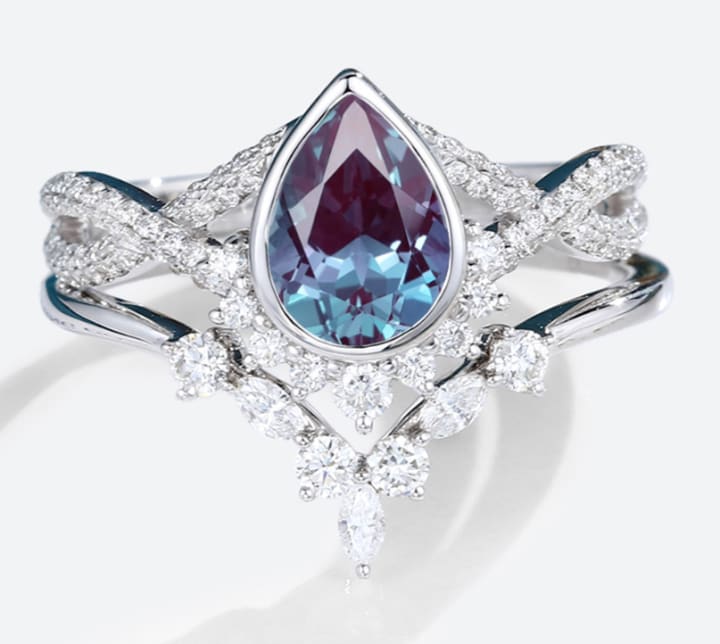
Although alexandrite is durable, it still requires proper care to maintain its beauty. Like all gemstones, alexandrite can be scratched or damaged by harder materials, and the stone should be protected from sharp impacts. It is also important to avoid exposing alexandrite to harsh chemicals, as these can damage the stone’s surface or cause the color shift to fade over time. Regular cleaning and maintenance are essential to keep the stone looking its best. While not overly high-maintenance, alexandrite may require a bit more attention than other, more common engagement ring gemstones.
- Limited Color Range
While alexandrite is known for its color-changing properties, not all alexandrite stones are created equal. Some stones may exhibit only a subtle color change or a less noticeable shift in hue. Stones with a vibrant green-to-red transition are much rarer and more expensive, so couples may need to compromise on the intensity of the color change. If a striking, noticeable color shift is important to you, it’s important to carefully choose an alexandrite stone that displays this feature.
V. How to Choose the Perfect Alexandrite for an Engagement Ring
If you decide that alexandrite is the right gemstone for your engagement ring, there are several key factors to consider when selecting the perfect stone:
- Color Quality
When selecting an alexandrite for an engagement ring, the most important factor is the color change. The best-quality alexandrite exhibits a strong, noticeable shift in color from green in daylight to red or purple under incandescent light. Stones with a more dramatic and vibrant color change are highly prized, but they are also more expensive. The intensity and quality of the color change should be a priority when shopping for alexandrite. Be sure to view the stone under both natural and artificial lighting to fully appreciate its color-changing properties.
- Size and Shape
Alexandrite comes in various sizes and shapes, just like any other gemstone. The size and shape of the stone you choose will impact the overall look of your engagement ring. Larger stones will obviously be more expensive, and they may also be more difficult to find in top-quality conditions. When it comes to shapes, round, oval, cushion, and emerald cuts are popular choices for engagement rings, as these cuts maximize the brilliance and color change effect of the stone. You can also choose a custom cut or shape that fits your personal style.
- Setting Options
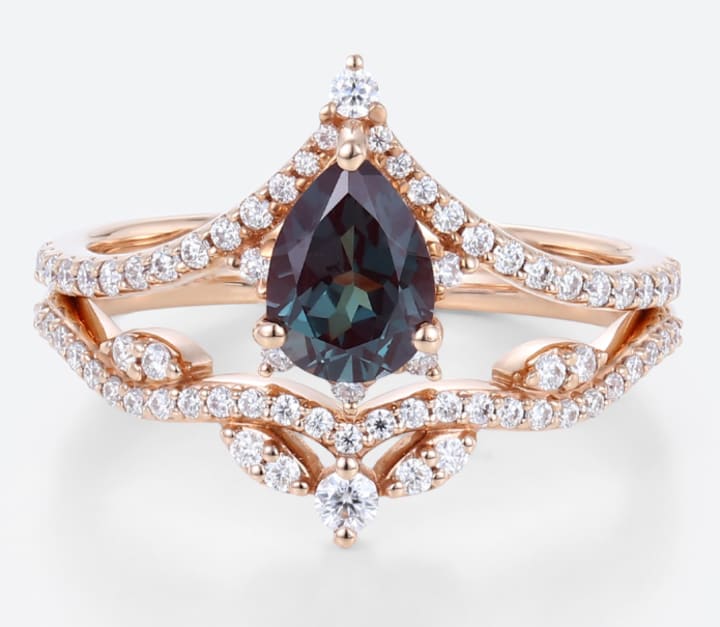
The setting you choose can dramatically affect the way the alexandrite appears in the ring. Since the color change is one of alexandrite’s most striking features, settings that allow light to pass through the stone—such as solitaire or halo settings—can enhance its visual appeal. Consider a setting that highlights the gem’s color-shifting properties. Vintage-inspired settings, or those with intricate detailing, can also complement the gemstone's unique qualities, especially if you want the ring to have a timeless or heirloom feel.
- Certification
Given the rarity and cost of alexandrite, it’s important to purchase your stone from a reputable jeweler who offers proper certification. A certified gemstone ensures that the alexandrite is authentic, accurately graded, and of high quality. Look for certification from recognized gemological labs, such as the Gemological Institute of America (GIA), to guarantee the authenticity of your stone.
VI. Alexandrite vs. Other Gemstones for Engagement Rings
When choosing the perfect gemstone for an engagement ring, many couples compare different options to find the one that best suits their style, budget, and values.
- Alexandrite vs. Diamonds
Diamonds are often considered the traditional choice for engagement rings, thanks to their unrivaled brilliance and durability. However, diamonds are also relatively expensive, and their popularity means that many couples are looking for more unique and personal alternatives.
- Rarity: Unlike diamonds, which are abundant in the market, alexandrite is significantly rarer, which can make it a much more unique choice. If you’re looking for an engagement ring that stands out from the crowd, alexandrite’s rarity could make it the perfect option.
- Cost: While diamonds can also be expensive, high-quality alexandrite can often be pricier due to its rarity. If you’re working with a specific budget, diamonds may offer more flexibility in terms of size, shape, and overall cost. However, for those who prioritize uniqueness and are willing to invest in a rare gemstone, alexandrite could be worth the cost.
- Durability: Alexandrite, with a hardness of 8.5 on the Mohs scale, is durable enough for daily wear, though it is not as scratch-resistant as diamonds (which have a hardness of 10). While diamonds are often considered the most durable choice for an engagement ring, alexandrite still offers sufficient strength to withstand regular wear with proper care.
- Alexandrite vs. Sapphires
Sapphires are another popular alternative to diamonds in engagement rings, known for their wide range of colors, including blue, pink, and yellow. While sapphires have been used for centuries in engagement rings, alexandrite offers a distinct appeal due to its color-changing nature.
- Uniqueness: Unlike sapphires, which come in a variety of colors, alexandrite’s unique color-changing property makes it truly one-of-a-kind. If you want a gemstone that offers both color variety and the possibility of a ring that looks different depending on the light, alexandrite is an excellent alternative.
- Durability: Sapphires are also incredibly durable, ranking 9 on the Mohs scale, which is higher than alexandrite. This makes sapphires an excellent choice for engagement rings, especially for those who want a gemstone that can withstand the daily wear and tear of life.
- Price: While sapphires can be found in a variety of price ranges, high-quality blue sapphires can still be expensive. However, alexandrite’s rarity and vibrant color change often make it more expensive, especially for stones that exhibit a strong and noticeable shift in color. The price of both gemstones can vary widely depending on size, quality, and origin.
- Alexandrite vs. Rubies
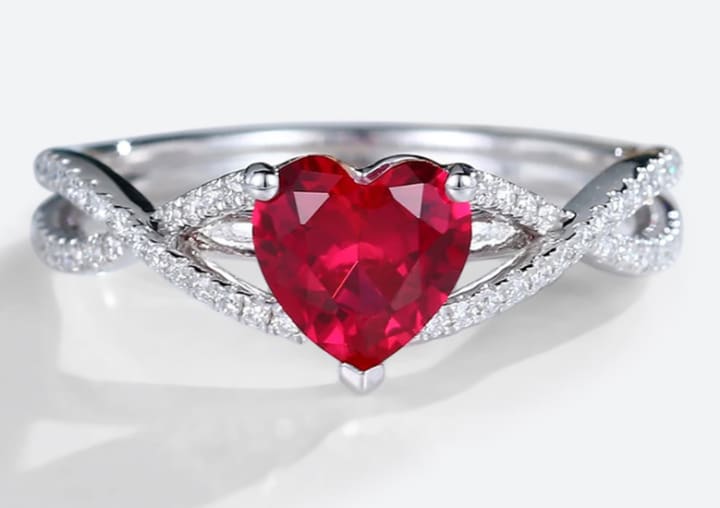
Rubies, like sapphires, belong to the corundum family, and their intense red color makes them a popular choice for engagement rings. However, rubies lack the dynamic color change that sets alexandrite apart.
- Color: Rubies offer beautiful, rich red tones that are associated with passion and love, but unlike alexandrite, they do not change color in different lighting. For couples who appreciate a gemstone that offers more visual variety, alexandrite’s color shift may feel more exciting and unique.
- Durability: Rubies are highly durable, with a Mohs hardness of 9. just below sapphires. This makes them an excellent choice for engagement rings that will be worn every day. Alexandrite’s hardness of 8.5 still makes it a durable option, but rubies may be a slightly better choice for those who want extra durability.
- Price: High-quality rubies, especially those with deep, vivid colors, can be quite expensive. Alexandrite can also be pricey due to its rarity and unique color-changing properties. While rubies are more common than alexandrite, the cost of both gemstones can be similarly high, depending on size and quality.
- Which Couple Should Choose Alexandrite?
Alexandrite is best suited for couples who are drawn to unique, rare gemstones and want an engagement ring that reflects their desire for something truly special. If you appreciate a gemstone that offers both visual variety and symbolism, alexandrite’s color-changing ability can be an exciting and meaningful choice. It’s also ideal for those who want a gemstone that is less traditional but still possesses durability and elegance.
Conclusion: Is Alexandrite the Right Choice for Your Engagement Ring?
In conclusion, alexandrite is a stunning, rare, and unique gemstone that can make for an extraordinary engagement ring. Its color-changing properties are undeniably mesmerizing and can be a perfect metaphor for the evolving and dynamic nature of a relationship. While the rarity and cost of alexandrite can be a factor to consider, the gemstone’s durability, distinctiveness, and symbolism make it an excellent choice for couples seeking a one-of-a-kind engagement ring that stands out from traditional options.
About the Creator
Beyond the Carat: Why Oval Engagement Rings Are the New Standard of Elegance
Every engagement story begins with a spark, but for me, it began with a realization: not all diamonds are created equal. When I started my search for the perfect ring, I was blinded by the "Four Cs." I thought that as long as the certificate looked good, the ring would be perfect. I was wrong.
By Mohd Kaish6 days ago in Marriage


Comments
There are no comments for this story
Be the first to respond and start the conversation.